
Art
Graffiti Articles: A Comprehensive Guide to the Art, Culture, and Controversy

Introduction: The Ubiquitous Mark of Humanity
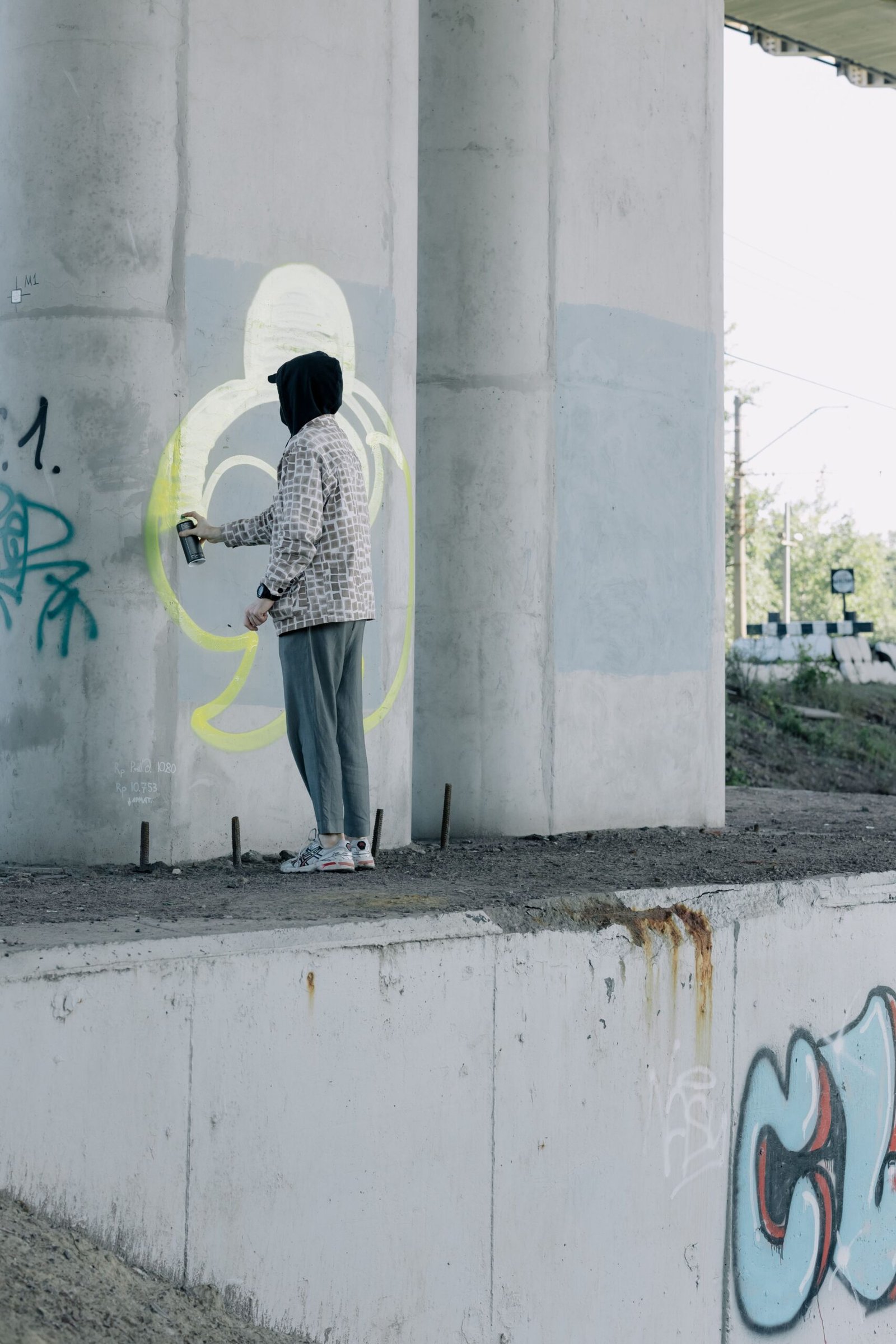
Few cultural phenomena provoke as much debate as the spontaneous visual communication found on our city walls. Since the dawn of humanity, we have felt an urge to record our presence, from the charcoal depictions of ancient hunters in the caves of Lascaux to the stylized “tags” that adorn modern subway cars. The word “graffiti articles,” derived from the Italian graffio meaning “something scratched,” was first coined by archaeologists in the 19th century to describe ancient inscriptions, yet today it is a term that conjures up images of both vandalism and high art . This duality lies at the heart of graffiti’s enduring power. It is a practice with roots stretching back over 40,000 years, yet it remains one of the most immediate and relevant art forms of our time . To understand graffiti is to understand a fundamental tension between the individual’s urge for self-expression and society’s need for order. This article delves deep into the history, techniques, legal battles, and cultural impact of graffiti, exploring why we cannot stop looking at—or arguing about—the marks left on our shared spaces.
The Historical Tapestry of Graffiti
The story of graffiti is a story of humanity itself. Long before the spray can was invented, people were leaving their mark. Ancient graffiti provides a crucial window into the lives of ordinary people, allowing us to hear voices that official historical records often ignore . In ancient Egypt, scribes carved their names into the walls of temples and tombs, not as acts of vandalism, but as a way to mark their passage and claim a connection to sacred spaces . Likewise, in the ruins of Pompeii, archaeologists have uncovered a wealth of graffiti that reads like an ancient social network—messages of love, political slogans, and even jokes scratched into the plaster by Roman citizens nearly two thousand years ago . Far from being a modern invention, graffiti has been a way for people to communicate with their community and make their mark on the world for millennia .
The modern form of graffiti with which we are familiar today emerged not from ancient history, but from the urban landscapes of the United States in the late 1960s . Cities like Philadelphia and New York became the birthplace of a new movement, where young people from marginalized communities began using spray paint to write their names—or “tags”—on walls and subway trains . This was a visual explosion, a way for individuals to achieve fame and recognition in a society that often overlooked them. The movement was heavily influenced by the burgeoning hip-hop culture, blending with breakdancing and rap to create a new form of urban expression . By the 1980s, publications like Subway Art and Spraycan Art catapulted this underground culture onto the global stage, inspiring a new generation of artists from Tokyo to Berlin to pick up a spray can .
Inside the Graffiti Writer’s Toolkit: Techniques and Styles
To truly appreciate graffiti, one must understand the craft behind it. It is far more than just random scribbles; it is a discipline with its own complex vocabulary and demanding techniques. The foundation of all graffiti is the “tag”—a stylized signature that represents the writer’s identity . This is the most fundamental form of graffiti, often executed quickly with a marker or spray paint. From the tag, the writer evolves into more intricate styles, such as the “throw-up,” a larger piece typically created quickly with bubble letters and one or two colors, designed for speed and impact . The pinnacle of graffiti writing is the “piece,” short for masterpiece. These are large, elaborate, multi-colored works that can take hours or even days to complete . The process of creating a piece involves a deep understanding of letter structure, composition, color theory, and advanced techniques like “can control,” “fading,” and creating “3D” or “wildstyle” effects .
Over the decades, a vast array of sub-styles has developed, each with its own dedicated practitioners. Learning to write graffiti is a journey of constant practice and self-improvement, where artists spend years developing their unique “handstyle.”
The Legal and Moral Maze: Graffiti, Property, and Copyright
One of the most contentious aspects of graffiti is its legal status, which exists in a complex gray area at the intersection of property rights, criminal law, and intellectual property. Because it is often created without the permission of the property owner, it is legally considered vandalism in most jurisdictions . This blanket classification, however, fails to account for the nuance of the act and the value of the works created. The debate intensifies when discussing the legal rights of graffiti artists. Under international human rights law, artistic freedom is a protected right, but the legality of the medium complicates its application .
The question of artistic ownership has been tested in high-profile court cases, particularly concerning “moral rights.” These rights, which protect an artist’s connection to their work and its integrity, are recognized in many legal systems .The answer often depends on a work’s “recognized stature” and the community’s determination to preserve it .
Conclusion: The Enduring Legacy of the Wall
graffiti articles is a paradox.It forces us to confront uncomfortable questions about ownership, freedom, and the definition of art itself. As a form of visual communication, it gives a voice to those who might otherwise go unheard, transforming the bleakest urban landscapes into open-air galleries . It also drives municipalities to allocate significant resources for its removal, reflecting deep-seated anxieties about social control and property values .
Frequently Asked Questions
What is the difference between graffiti and street art?
While the terms are often used interchangeably, scholars and practitioners typically distinguish between the two . Crucially, graffiti is typically associated with illegal activity, whereas street art can be either legal or illegal .
Is graffiti illegal?
Generally, yes. However, many cities have “free walls” or legal graffiti zones where artists can paint legally .
Who is Banksy?
Banksy is a world-renowned but anonymous street artist from the United Kingdom. He is famous for his provocative, politically charged stenciled works that have appeared on walls in cities around the globe .
What are the basic techniques of graffiti?
The foundational technique is the “tag”—a stylized signature. From there, artists develop more complex forms like “throw-ups” (quick, bubble-lettered pieces), and “pieces” (large, intricate murals). Mastery involves skills like can control, letter structure, and the use of colors and effects like 3D shadows and highlights . Artists often begin by practicing on paper or in a “black book” before moving to walls.
Do graffiti artists have copyright over their work?
This is a complex legal area. This means a graffiti artist may hold copyright over their piece, even if they created it illegally.

What Are Dibujos Bonitos?
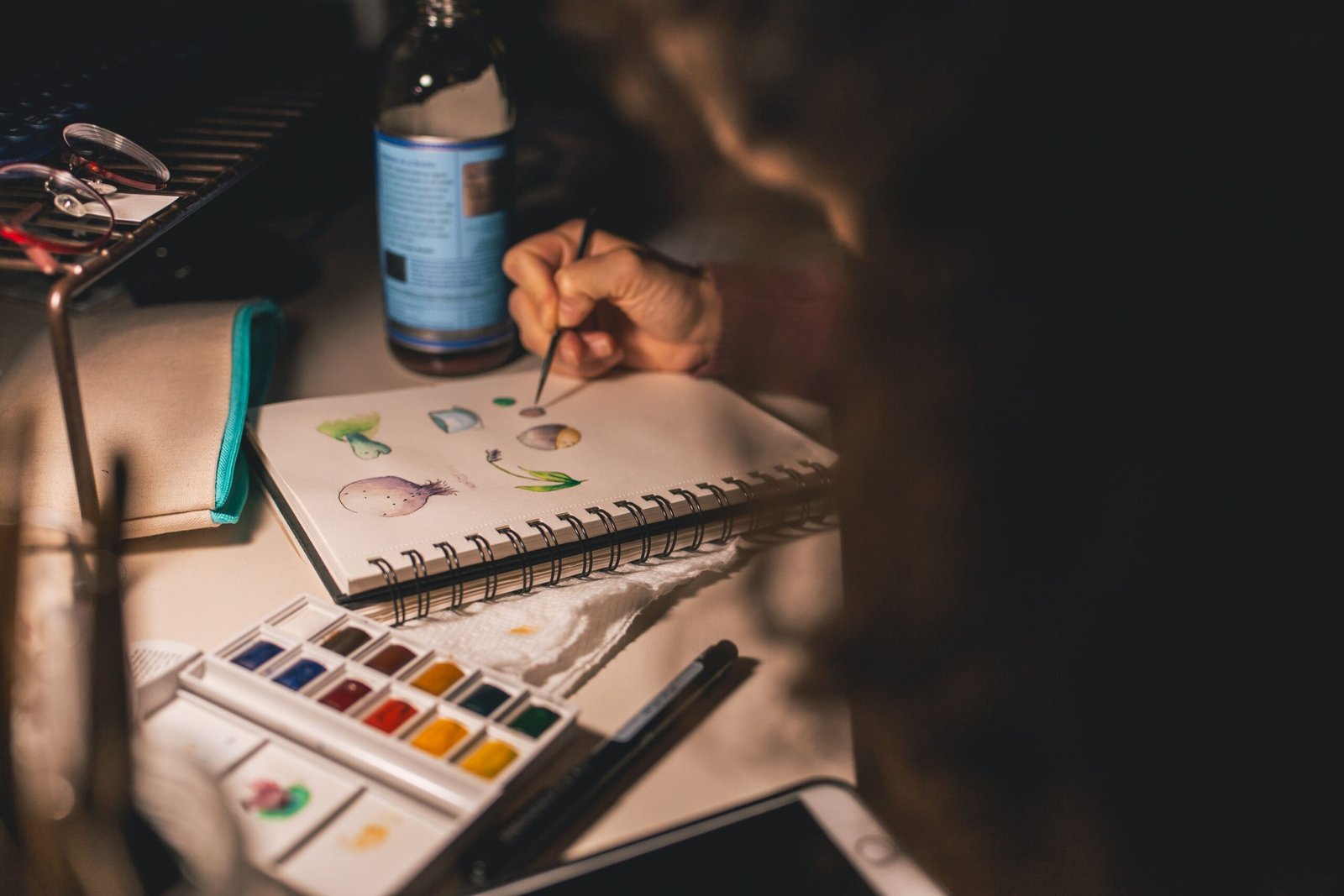
The phrase “dibujos bonitos“ translates from Spanish as “beautiful drawings” or “cute drawings.” It refers to illustrations that instantly create feelings of happiness, warmth, and positivity. These drawings can range from adorable animals and smiling food characters to dreamy landscapes and playful cartoon figures. The charm of dibujos bonitos lies in their simplicity. They do not need complicated anatomy, advanced perspective, or professional-level techniques to make an impact. A tiny smiling cloud, a sleepy cat, or a strawberry with expressive eyes can capture attention and create an emotional connection with viewers.
The popularity of cute drawings continues to grow because they are universally appealing. Children love them because they are fun and easy to recognize, while adults appreciate them as a relaxing form of creativity. In a world filled with complex visuals and fast-paced digital content, simple and charming artwork provides a refreshing break. Cute illustrations often use rounded shapes, soft colors, and friendly expressions that naturally trigger positive emotional responses. These visual elements make people feel comfortable and engaged, which is why businesses, social media creators, and artists frequently use them in branding and content creation.
The Meaning Behind Cute Drawings
Cute drawings are more than decorative sketches. They serve as a visual language that communicates friendliness, innocence, and joy. Throughout history, artists have used simplified forms and exaggerated features to create emotional connections with viewers. Today, this principle remains at the heart of modern cute art.
Many successful cute drawings share common characteristics. They often feature oversized eyes, rounded edges, tiny limbs, and cheerful expressions. These elements mimic features associated with babies and young animals, which naturally attract human attention. This psychological effect explains why people find certain designs irresistibly adorable.
Why People Love Adorable Art
People are naturally drawn to things that evoke positive emotions. Cute art creates a sense of comfort and nostalgia. It reminds viewers of childhood, imagination, and carefree moments. This emotional connection is one reason why cute illustrations perform exceptionally well on social media platforms and digital marketplaces.
Research into creativity and visual perception suggests that people respond strongly to drawings that combine originality with emotional appeal. Creative visual content often stands out because it captures attention while remaining easy to understand.
The Growing Popularity of Cute Drawings in 2026
Social Media and the Rise of Kawaii Art
The influence of social media has transformed cute drawing styles into a global phenomenon. Platforms such as Instagram, Pinterest, TikTok, and digital art communities showcase millions of adorable illustrations every day. One of the strongest influences comes from Kawaii Art, a Japanese artistic style centered around cuteness, simplicity, and positivity. According to recent art resources, kawaii-inspired drawings remain among the most popular categories for beginner and professional artists alike.
The accessibility of drawing tutorials has also fueled this growth. Artists can now learn techniques through short videos, online classes, and interactive communities. This has lowered the barrier to entry, making cute art more approachable than ever before.
Current Illustration Trends
Recent illustration trends reveal a strong preference for human, playful, and hand-drawn aesthetics. Designers and brands increasingly favor imperfect lines, doodles, and expressive artwork that feels authentic rather than overly polished. Experts note that audiences are seeking warmth and personality in visual content, leading to a resurgence of childlike and playful illustration styles.
| Trend | Description |
|---|---|
| Kawaii Characters | Simple, expressive designs inspired by Japanese culture |
| Hand-Drawn Doodles | Imperfect lines that emphasize authenticity |
| Nature-Themed Art | Forest animals, mushrooms, flowers, and whimsical environments |
| Minimalist Cute Design | Clean shapes with limited colors and strong visual impact |
| Hybrid Digital Art | Traditional sketch styles enhanced with digital tools |
Essential Materials for Drawing Cute Art
Traditional Drawing Supplies
You do not need expensive equipment to create beautiful drawings. A pencil, eraser, sketchbook, and colored markers are enough to begin. Many artists actually prefer basic tools because they encourage experimentation without pressure.
Traditional materials also help develop foundational skills. Sketching by hand improves coordination, observation, and confidence. Artists often discover their unique style while working with simple tools rather than relying on advanced software features.
Digital Drawing Tools
Digital art continues to grow in popularity due to its flexibility and convenience. Tablets, styluses, and drawing applications allow artists to create professional-quality illustrations while maintaining the charm of hand-drawn art. Digital tools make it easy to experiment with colors, layers, and effects without permanently altering the original sketch.
The combination of traditional-inspired aesthetics and modern technology has become a defining characteristic of current illustration trends. Many artists intentionally preserve rough textures and natural linework to maintain authenticity.
Core Elements That Make a Drawing Look Cute
Shapes and Proportions
One of the secrets behind successful dibujos bonitos is the use of simple shapes. Circles, ovals, and rounded rectangles create a friendly and approachable appearance. Sharp edges often communicate danger or tension, while soft curves feel safe and inviting.
Cute characters typically have larger heads relative to their bodies. This exaggerated proportion mimics baby-like features and instantly increases perceived cuteness. Small noses, tiny mouths, and large eyes further strengthen this effect.
Facial Expressions and Emotions
Expressions are the soul of cute illustrations. A slight smile, blushing cheeks, or sparkling eyes can transform an ordinary object into an endearing character. Even inanimate objects such as coffee cups, plants, or stars can appear alive when given expressive faces.
Artists often focus on emotional clarity rather than anatomical accuracy. The goal is not realism but connection. When viewers immediately understand how a character feels, the drawing becomes memorable.
Easy Dibujos Bonitos Ideas for Beginners
Cute Animals
Animals remain one of the most popular subjects for cute drawings. Beginners often start with cats, rabbits, bears, frogs, and pandas because these creatures naturally lend themselves to simplified forms. Recent drawing inspiration guides highlight sleepy cats, bunny characters, and cute frogs as particularly popular themes.
A useful technique is to begin with circles and basic geometric shapes. From there, add ears, eyes, and small details. This method keeps the process manageable while producing attractive results.
Food Characters
Food-themed drawings have become a staple of cute art culture. Smiling cupcakes, happy strawberries, cheerful toast slices, and playful milk cartons frequently appear in sketchbooks and online art communities. These subjects are enjoyable because they combine familiar objects with imaginative personalities.
Food characters also offer endless customization opportunities. Artists can experiment with colors, accessories, and expressions while maintaining recognizable forms.
Nature-Inspired Sketches
Nature provides an incredible source of inspiration for cute illustrations. Flowers, mushrooms, clouds, stars, butterflies, and tiny forests can all be transformed into adorable characters. The emerging “Wilderkind” trend highlights the growing popularity of whimsical nature-inspired artwork featuring woodland creatures, plants, and dreamy environments.
Nature-based drawings often create a calming atmosphere. They encourage creativity while fostering appreciation for the natural world.
Step-by-Step Techniques to Improve Your Cute Drawings
Sketching Basics
Every great drawing begins with a rough sketch. Start by identifying the largest shapes before adding smaller details. This approach prevents proportion issues and keeps the composition balanced.
A practical workflow includes:
- Draw basic shapes.
- Refine the silhouette.
- Add facial features.
- Include accessories and decorative elements.
- Clean up the lines.
Artists who consistently practice these fundamentals often improve more quickly than those who focus solely on finished illustrations.
Coloring and Shading
Color plays a significant role in creating appealing cute art. Soft pastel palettes are particularly effective because they reinforce feelings of warmth and friendliness. Light pinks, baby blues, lavender tones, mint greens, and creamy yellows are commonly used.
Shading should remain subtle. Heavy contrast can reduce the softness that makes cute art attractive. Gentle gradients and delicate shadows usually work best. The objective is to enhance depth without sacrificing the drawing’s cheerful mood.
Common Mistakes to Avoid
Many beginners unintentionally make their drawings less appealing by adding excessive details. Cute art thrives on simplicity. Overcomplicated designs can distract from the emotional impact of the illustration.
Another common mistake involves inconsistent proportions. If the eyes are too small or the body is too large, the drawing may lose its intended charm. Consistency helps maintain visual harmony.
Artists should also avoid comparing themselves too harshly to professionals. Improvement comes through repetition. Every sketch contributes to growth, even if it feels imperfect. Interestingly, modern illustration trends increasingly celebrate imperfections because they make artwork feel more authentic and relatable.
Benefits of Drawing Cute Illustrations
Drawing cute art offers benefits that extend beyond artistic development. Many people use sketching as a form of relaxation and stress relief. Filling a page with playful doodles can feel similar to taking a mental vacation from daily responsibilities.
Creative activities also improve problem-solving skills and encourage self-expression. Studies examining drawing creativity highlight the importance of originality and diverse visual thinking in artistic development.
Cute drawing communities further enhance the experience by providing encouragement and inspiration. Online groups frequently celebrate personal style, experimentation, and creativity rather than perfection. This supportive environment makes drawing accessible to people of all ages and skill levels.
Future Trends in Cute Art
The future of dibujos bonitos looks brighter than ever. Current trends indicate increasing demand for artwork that feels personal, handcrafted, and emotionally engaging. Artists are embracing playful linework, expressive doodles, and nostalgic aesthetics that emphasize humanity over perfection.
Nature-inspired themes are also expected to grow. The popularity of woodland creatures, mushrooms, butterflies, and dreamlike landscapes suggests that audiences are seeking visual escapes from highly digital environments.
Digital tools will continue evolving, but the underlying appeal of cute art is unlikely to change. People will always connect with drawings that make them smile. Whether created with pencil and paper or advanced software, charming illustrations remain a timeless form of creative expression.
Conclusion
Dibujos bonitos are much more than simple sketches. They represent a universal artistic language built on positivity, imagination, and emotional connection. Their enduring popularity comes from their ability to transform ordinary objects into delightful characters and create moments of joy through visual storytelling. Whether you are a complete beginner or an experienced illustrator, learning to create cute drawings can strengthen your artistic skills while providing a relaxing and rewarding creative outlet.
The most successful cute illustrations are not necessarily the most technically advanced. They are the ones that communicate warmth, personality, and charm. By focusing on simple shapes, expressive faces, soft colors, and consistent practice, anyone can develop a captivating style. As artistic trends continue shifting toward authenticity and human creativity, dibujos bonitos remain one of the most accessible and enjoyable forms of art for people around the world.
FAQs
1. What does “dibujos bonitos” mean?
“Dibujos bonitos” is a Spanish phrase that translates to “beautiful drawings” or “cute drawings” in English.
2. Are cute drawings suitable for beginners?
Yes. Cute drawings often rely on simple shapes and basic techniques, making them ideal for beginners.
3. What are the best subjects for cute drawings?
Popular subjects include animals, food characters, plants, clouds, stars, mushrooms, and cartoon-style people.
4. Do I need expensive tools to create cute art?
No. A pencil, eraser, paper, and a few coloring supplies are enough to start creating adorable illustrations.
5. Why is kawaii art so popular?
Kawaii art emphasizes positivity, simplicity, and emotional appeal. Its friendly designs make it enjoyable for audiences of all ages.

Tatsuya Shiba: Biography, Powers, Personality, and Story Explained

Met Live in HD: Complete Guide to the Metropolitan Opera’s Live Broadcasts

Boy in ASL: How to Sign “Boy” in American Sign Language

Droven.io Review 2026: The Honest Truth About This AI Knowledge Platform

Keiko Fujimoto: The Life and Legacy of Sunny Balwani’s Ex-Wife

The Enigmatic Life of Solica Casuto: From Greek Actress to Andy Griffith’s Second Wife and Her Choice of Privacy
 Tech3 months ago
Droven.io Review 2026: The Honest Truth About This AI Knowledge Platform
- Fashion3 months ago
Keiko Fujimoto: The Life and Legacy of Sunny Balwani’s Ex-Wife
- Fashion3 months ago
The Enigmatic Life of Solica Casuto: From Greek Actress to Andy Griffith’s Second Wife and Her Choice of Privacy
- Fashion3 months ago
Mark Fluent: Your Comprehensive Guide to Achieving Peak Performance and Unlocking Your True Potential
- Sports3 months ago
Amy Dettbarn: The Untold Story of the Woman Behind UConn Star Paige Bueckers
- Tech3 months ago
Antonimar Mello: The Quiet Strength Behind a Pop Icon
- Fashion3 months ago
Carlos Scola Pliego: The Spanish Filmmaker Who Captured Sade’s Heart
- Fashion2 months ago
Monika Leveski : Biography, Design Philosophy, Art Career, and Modern Elegance Explained