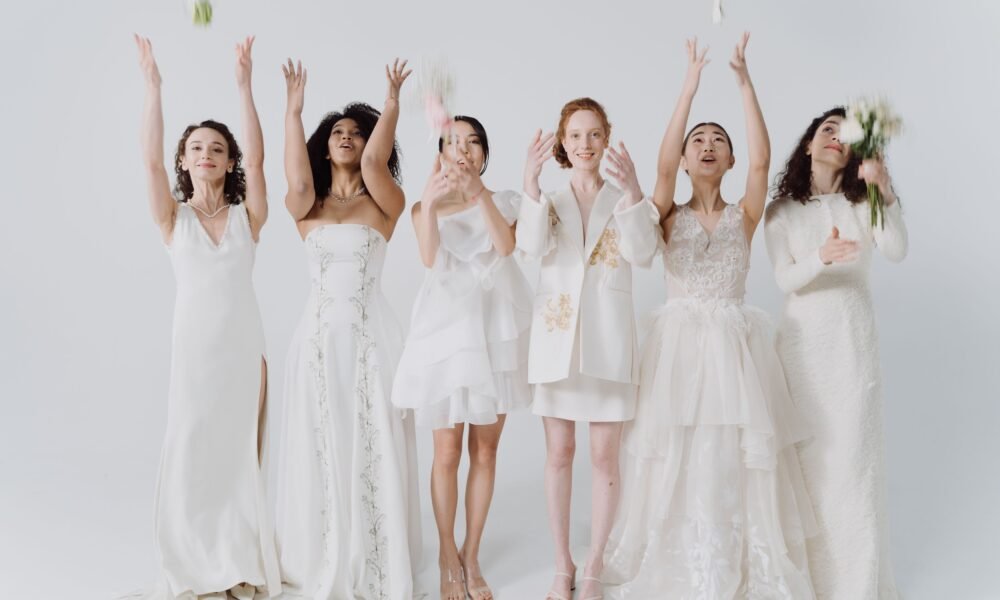
Category: Fashion

  • Gracewearslace: Everything You Need to Know About the Popular Bridal Brand

    Gracewearslace: Everything You Need to Know About the Popular Bridal Brand

    Finding the perfect wedding dress is one of the most memorable parts of planning a wedding, and many brides begin their search by exploring trusted bridal brands known for elegant craftsmanship and timeless style. Gracewearslace has become a well-known name among modern brides because of its contemporary designs, comfortable silhouettes, and romantic lace details. Whether you’re planning a beach ceremony, an intimate elopement, or a traditional wedding celebration, the brand offers a variety of dresses designed to suit different personalities and wedding themes.

    This comprehensive guide explores Gracewearslace in detail, including its design philosophy, dress collections, pricing, sizing, shopping experience, customer reviews, and tips for choosing the ideal gown. If you’re considering purchasing a wedding dress from Gracewearslace, this article will help you understand what makes the brand unique and what to expect throughout your bridal shopping journey.

    What Is Gracewearslace?

    Gracewearslace is a bridal fashion brand recognized for creating modern wedding dresses that blend comfort, elegance, and sophisticated design. Instead of focusing solely on traditional bridal styles, the company emphasizes contemporary silhouettes featuring delicate lace, flowing fabrics, flattering cuts, and minimalist aesthetics.

    Many brides appreciate the brand because it offers dresses that feel lightweight and comfortable while maintaining a luxurious appearance. The collection includes gowns suitable for destination weddings, garden ceremonies, beach weddings, formal venues, and intimate celebrations. Every design aims to provide a balance between timeless beauty and modern fashion trends, making Gracewearslace a popular choice among brides seeking something elegant yet effortless.

    Why Gracewearslace Is So Popular

    One of the biggest reasons behind Gracewearslace’s popularity is its focus on combining comfort with sophisticated bridal fashion. Traditional wedding dresses can sometimes feel heavy or restrictive, whereas many Gracewearslace gowns are designed to allow easier movement throughout the wedding day.

    Another factor contributing to the brand’s appeal is its distinctive use of premium lace, soft fabrics, and handcrafted details. Brides who appreciate bohemian-inspired designs, romantic silhouettes, and contemporary elegance often find the collections particularly attractive. The brand also appeals to customers who prefer online bridal shopping while still expecting high-quality craftsmanship and personalized customer support.

    Gracewearslace Wedding Dress Collections

    Gracewearslace offers a wide variety of bridal styles designed to suit different wedding themes and personal preferences. Brides looking for minimalist gowns can find clean and sophisticated designs, while those seeking intricate lace details have numerous elegant options available.

    The collections frequently feature fitted mermaid gowns, flowing A-line dresses, sheath silhouettes, off-the-shoulder designs, long sleeves, open backs, and deep V-necklines. Many dresses incorporate floral lace patterns, luxurious crepe fabrics, stretch materials, and handcrafted embellishments that create a refined and romantic appearance suitable for modern weddings.

    Design Philosophy

    The brand’s design philosophy centers around simplicity, elegance, and confidence. Rather than relying on excessive decorations or heavy embellishments, Gracewearslace emphasizes carefully selected fabrics, flattering cuts, and timeless styling.

    Each gown is intended to highlight the bride’s natural beauty while ensuring comfort throughout the ceremony and reception. This philosophy has helped establish the brand as a favorite among brides seeking understated luxury without sacrificing sophistication.

    Materials and Craftsmanship

    Quality materials play a significant role in every Gracewearslace wedding dress. Premium lace, silk blends, crepe fabrics, satin, chiffon, and soft linings contribute to the overall luxurious feel of the garments. Skilled craftsmanship ensures that intricate lace patterns, stitching, and finishing details meet high standards expected from premium bridal fashion.

    Attention to detail extends beyond appearance, as the dresses are designed to provide flexibility and comfort during long wedding celebrations. The combination of beautiful fabrics and expert construction enhances both durability and elegance.

    Pricing and Value

    Gracewearslace wedding dresses generally occupy the premium bridal market, offering pricing that reflects quality materials, thoughtful design, and craftsmanship. Although the investment may be higher than fast-fashion alternatives, many brides consider the value worthwhile because of the distinctive styling, comfortable fit, and lasting quality.

    When evaluating pricing, buyers should also consider alterations, accessories, shipping, and any applicable taxes or duties depending on their location.

    Shopping Experience

    Shopping for a wedding dress online requires confidence in sizing, customer service, and return policies. Gracewearslace aims to simplify this process by providing detailed product descriptions, sizing guidance, and customer support throughout the purchasing journey.

    Many brides begin by researching collections online before scheduling appointments or ordering gowns according to the recommended size guidelines. Reading customer reviews, comparing measurements carefully, and allowing sufficient delivery time can help create a smoother shopping experience.

    Choosing the Right Gracewearslace Dress

    Selecting the ideal wedding dress depends on several important considerations, including body shape, wedding venue, personal style, season, and overall wedding theme. Brides planning outdoor ceremonies may prefer lightweight fabrics, while formal indoor celebrations may inspire more structured silhouettes.

    Comfort should always remain a priority alongside aesthetics. A wedding dress that allows comfortable movement can enhance confidence and enjoyment throughout the entire celebration.

    Styling Your Wedding Dress

    Accessories can beautifully complement a Gracewearslace gown without overwhelming its elegant design. Veils, delicate jewelry, classic heels, floral hairpieces, and simple bridal bouquets often pair well with the brand’s modern aesthetic.

    Choosing accessories that reflect the overall wedding style helps create a cohesive bridal look while allowing the dress to remain the focal point.

    Customer Reviews

    Customer experiences frequently highlight the brand’s elegant designs, comfortable fabrics, and distinctive lace craftsmanship. Many brides appreciate the modern styling and flattering silhouettes that suit various wedding settings.

    As with any bridal purchase, experiences may vary based on sizing, delivery timelines, alterations, and individual expectations. Reading recent reviews and carefully reviewing sizing information can help buyers make informed decisions.

    Conclusion

    Gracewearslace has established itself as a respected bridal brand by offering wedding dresses that combine modern elegance, comfort, and premium craftsmanship. Its collections appeal to brides seeking timeless yet contemporary designs suitable for a wide variety of wedding styles. From romantic lace details to minimalist silhouettes, the brand provides options for different tastes while maintaining a strong focus on quality and wearability.

    Choosing a wedding dress is a deeply personal decision, and researching styles, sizing, pricing, and customer experiences can help ensure the best possible purchase. With thoughtful planning and careful selection, many brides find Gracewearslace to be a beautiful option for one of life’s most memorable occasions.

    Frequently Asked Questions (FAQ)

    1. What is Gracewearslace known for?

    Gracewearslace is known for modern bridal gowns featuring elegant lace, contemporary silhouettes, and comfortable designs.

    2. Are Gracewearslace dresses suitable for destination weddings?

    Yes. Many of the brand’s lightweight and comfortable dresses are popular choices for beach, garden, and destination weddings.

    3. Does Gracewearslace offer different bridal styles?

    Yes. The collections include minimalist gowns, lace dresses, fitted silhouettes, flowing designs, and romantic bridal styles.

    4. How should I choose the correct size?

    Compare your body measurements with the brand’s official sizing guide and allow time for professional alterations if needed.

    5. Are Gracewearslace dresses comfortable?

    Many brides choose the brand because its dresses are designed to combine elegance with comfort for all-day wear.

    6. Is Gracewearslace suitable for modern brides?

    Yes. The brand focuses on contemporary bridal fashion while maintaining timeless elegance, making it popular among modern brides.

  • Monika Leveski : Biography, Design Philosophy, Art Career, and Modern Elegance Explained

    Monika Leveski : Biography, Design Philosophy, Art Career, and Modern Elegance Explained

    Monika Leveski has emerged as one of the most intriguing creative personalities associated with modern elegance, sustainable design, and purpose-driven artistry in 2026. At a time when trends change overnight and digital content often prioritizes speed over substance, Leveski represents a refreshing commitment to timeless creativity, emotional storytelling, and responsible innovation.

    Recognized as a contemporary visual artist, entrepreneur, designer, and philanthropist, Monika Leveski has built a reputation for blending traditional artistic craftsmanship with the latest digital technologies. Her work resonates with audiences seeking authenticity, sustainability, and meaningful visual experiences.

    This comprehensive guide explores Monika Leveski’s biography, artistic journey, design philosophy, entrepreneurial ventures, philanthropic efforts, and lasting influence on modern creativity in 2026.


    Who Is Monika Leveski? Biography and Background

    Monika Leveski is a contemporary visual artist, entrepreneur, and philanthropist celebrated for combining traditional fine art techniques with modern digital innovation. Rather than chasing short-lived trends, she has established herself through visual storytelling, emotional symbolism, and experimental design.

    Her creative journey began during childhood, where she grew up in an environment that encouraged artistic exploration. Inspired by nature, landscapes, cultural diversity, and everyday human experiences, Leveski developed a unique artistic voice rooted in observation rather than imitation.

    Her family’s support allowed her to experiment freely with drawing, painting, and mixed-media projects from an early age. These formative experiences laid the groundwork for a career defined by originality and thoughtful expression.

    To refine her abilities, she later pursued formal education in fine arts and digital design. During her studies, she mastered classical artistic techniques while embracing emerging digital technologies, interactive media, and contemporary visual communication. This educational foundation enabled her to bridge the gap between traditional craftsmanship and digital creativity, creating an artistic identity that feels both timeless and highly relevant in 2026.

    One description often associated with her career perfectly captures her philosophy:

    “She did not hurry to become known. Rather, she focused on a sincere language.”

    This emphasis on authenticity continues to define every aspect of her work.


    The Artistic Style of Monika Leveski: Bridging Tradition with Modernity

    One of the defining characteristics of Monika Leveski’s artistic style is her remarkable ability to combine classical techniques with contemporary digital enhancement.

    Rather than viewing technology as a replacement for traditional art, she uses it as an extension of human creativity. Her pieces frequently merge hand-painted textures, digital illustration, layered compositions, and immersive visual effects, resulting in artwork that appeals equally to collectors of traditional fine art and modern digital audiences.

    Her artistic approach is built upon three core pillars.

    1. Emotional Depth and Human Connection

    Every project seeks to evoke emotion through symbolism, expressive color palettes, and meaningful composition. Her visual narratives explore themes including:

    • Identity
    • Personal growth
    • Environmental awareness
    • Social responsibility
    • Human resilience

    Instead of simply creating attractive images, Leveski invites viewers into stories that encourage reflection and emotional engagement.

    2. The Art of Observation

    Unlike creators driven by trends, Monika’s creative process begins with quiet attentiveness.

    She carefully observes people, places, light, textures, and subtle emotional moments before translating them into compelling visual experiences. This observational approach gives her work a sense of authenticity that feels deeply personal.

    3. Timeless Expression Through Experience

    Her art evolves naturally through lived experiences rather than market demands.

    Each collection reflects a balance between personal narrative and universal themes, ensuring her work remains relevant long after passing trends disappear.


    Monika Leveski’s Design Philosophy: Redefining Modern Elegance

    Perhaps no aspect of Monika Leveski‘s work has attracted more attention than her philosophy of Modern Elegance.

    In 2026, minimalism has often become associated with sterile, impersonal spaces. Leveski challenges this perception by redefining elegance as something warm, welcoming, emotionally intelligent, and deeply human.

    Her philosophy rests on three foundational principles.

    Intentionality

    Every material, curve, texture, and design decision exists for a purpose.

    There is no decorative excess simply for visual impact. Every element must contribute emotionally, aesthetically, or functionally.

    If an object serves neither practical value nor emotional significance, it is removed.

    The “Lived-In” Sophistication

    Leveski believes genuine luxury comes from comfort rather than perfection.

    As she explains:

    “Real elegance is when one feels totally at ease.”

    She also emphasizes:

    “For we do not design just for the eyes, we design for skin and soul.”

    Her interiors avoid feeling like museum displays. Instead, they encourage everyday living while maintaining exceptional craftsmanship.

    Contrast as Harmony

    Another defining characteristic of her design language is the thoughtful use of contrast.

    Examples include:

    • Raw concrete paired with luxurious silk fabrics
    • Historic architectural forms enhanced with modern bio-materials
    • Organic asymmetry replacing rigid symmetry
    • Natural textures balanced with advanced technology

    Rather than opposing one another, these contrasts create harmony.

    Modern Elegance Comparison

    Traditional EleganceLeveski’s Modern Elegance
    Bold gilded colorsMonochromatic earth tones and desaturated pastels
    Luxury defined by brand namesLuxury defined by craftsmanship and sensory experience
    Trend-focused aestheticsMulti-generational sustainability
    Decorative excessPurposeful simplicity

    Entrepreneurship, Material Innovation, and Sustainable Creativity

    Beyond the art world, Monika Leveski has expanded into entrepreneurship by creating ventures that merge creative expression with digital accessibility.

    Her businesses focus on empowering artists through:

    • Digital exhibitions
    • Creative collaborations
    • Virtual artistic experiences
    • Technology-enabled storytelling
    • Global creative communities

    Her entrepreneurial mission is simple: make meaningful art accessible to wider audiences while supporting emerging talent.

    Sustainable Material Innovation

    Leveski’s studio is widely recognized for pioneering sustainable creative practices.

    Some of its defining innovations include:

    Tactile Sensorialism

    Her projects prioritize touch as much as appearance through the use of:

    • Honed limestone
    • Brushed brass
    • Hand-loomed wool
    • Natural wood
    • Recycled materials

    The Ethical Thread

    Her studio introduced a Full Traceability Model, ensuring materials used in furniture, installations, and architectural elements are ethically sourced.

    Notable sustainable initiatives include:

    • The Lumia Collection, which transforms recycled glass into luxury design pieces.
    • Project Ethereal, utilizing breathing stone facades with passive heating and cooling technologies.

    Invisible Technology

    Despite their natural appearance, Leveski’s designs integrate advanced innovations such as:

    • Adaptive circadian lighting
    • Smart environmental controls
    • Acoustic engineering
    • Digital fabrication
    • Hand-finished 3D printed components

    The result is technology that enhances daily life without overwhelming the visual experience.


    Digital Influence, Philanthropy, and Creative Leadership

    Monika Leveski has successfully embraced the digital era without sacrificing authenticity.

    Rather than using social media purely for promotion, she transforms digital platforms into creative spaces where audiences can experience:

    • Behind-the-scenes artistic development
    • Interactive creative projects
    • Educational design insights
    • Cross-cultural collaborations
    • Community engagement

    This transparent approach has strengthened her global audience while preserving the integrity of her artistic vision.

    Commitment to Philanthropy

    Beyond her professional achievements, Leveski actively supports causes centered on:

    • Sustainability education
    • Environmental awareness
    • Creative empowerment
    • Emerging artist mentorship
    • Accessible arts education

    She regularly contributes to initiatives that encourage eco-conscious artistic practices while helping young creators develop both technical and creative skills.

    Her philanthropic philosophy reflects her broader belief that creativity should improve communities as much as it enriches culture.


    How to Apply Monika Leveski’s Principles to Your Own Space

    One reason Monika Leveski‘s philosophy continues gaining attention is its practicality.

    Anyone can adopt elements of her approach by focusing on intentional living rather than expensive decoration.

    Consider these principles:

    • Be intentional. Remove one object from every room that serves neither practical nor emotional value.
    • Invest in hero pieces. Instead of purchasing several disposable accessories, choose one beautifully crafted statement item.
    • Use the 60-30-10 color rule. Build calming interiors with neutral foundations, complementary secondary tones, and subtle accent colors.
    • Prioritize craftsmanship over labels. Quality materials and thoughtful design often outlast luxury branding.
    • Embrace Slow Design. Focus on durability, sustainability, and timeless beauty rather than constantly replacing furnishings.

    These simple ideas demonstrate that modern elegance is less about spending more and more about making conscious choices.


    Conclusion

    In 2026, Monika Leveski represents far more than an accomplished artist or successful entrepreneur. She embodies a broader movement toward purpose-driven creativity, sustainable innovation, emotional design, and timeless elegance.

    Her ability to unite traditional craftsmanship, digital technology, ethical entrepreneurship, and human-centered design has positioned her as an influential figure within the modern creative landscape.

    Whether through emotionally resonant artwork, environmentally conscious material choices, innovative digital experiences, or philanthropic initiatives, Leveski consistently demonstrates that great design is not merely about aesthetics—it is about improving how people live, feel, and connect.

    As the world increasingly embraces the values of Slow Design, sustainability, and authenticity, Monika Leveski‘s philosophy continues to inspire artists, designers, entrepreneurs, and homeowners alike. Her legacy is not simply defined by beautiful creations but by a vision of creativity that is more conscious, more elegant, and ultimately more human.

  • Halsey Nude: Beyond the Sensation, Unveiling the Body and the Artist

    Halsey Nude: Beyond the Sensation, Unveiling the Body and the Artist

    Halsey Nude: Beyond the Sensation, Unveiling the Body and the Artist

    The concept of “Halsey nude” often triggers surface-level clicks. Yet, the true story behind it is far more compelling than any brief of a celebrity. It is a profound and ongoing narrative of autonomy, artistic expression, and reclaiming one’s identity. For Halsey, the act of being seen—in all forms—is never just about the physical body; it is a powerful declaration of control over a self that has often been dissected, misunderstood, and owned by the public. From the “Madonna and Whore” imagery on the cover of If I Can’t Have Love, I Want Power to the purposeful display of body hair and the existential exploration of self on The Great Impersonator, Halsey challenges what it means to have a body in the public eye. This is an exploration of those moments, dissecting the powerful messages of ownership, art, and the struggle for identity that define their career.

    The Art of Reclamation: The IICHLIWP Album Cover

    Perhaps the most powerful and widely discussed moment in Halsey’s career regarding nudity is the cover of their 2021 album, If I Can’t Have Love, I Want Power. The image, photographed by Lucas Garrido, is a striking tableau: the singer, regal and crowned, sits on a golden throne. One breast is exposed, and they hold a child on their lap. This was not a gratuitous act but a meticulously crafted statement on the duality of motherhood, sexuality, and body autonomy  . This was not an attempt to be sensational; it was a deliberate act of artistic and personal defiance.

    Challenging Norms and the Gaze: The Rolling Stone Cover

    Halsey’s reclamation of their image extends beyond the extremes of pregnancy. It is present in the everyday, in the simple act of choosing how to present their body. This was powerfully evident in the 2024 “Hot Issue” cover of Rolling Stone, where Halsey posed with visible, unshaven armpit hair. The image, shared on Instagram, immediately became a topic of discussion, prompting both praise and criticism . For Halsey, this was another step in owning their body without adhering to the societal conditioning often imposed on women.

    The “Great Impersonator”: Deconstructing the Persona

    The journey of Halsey’s body and identity is not just about physical appearance but a deep, internal exploration of the self. The 2024 album, The Great Impersonator, is a concept piece that finds Halsey grappling with their own identity, health, and the persona of “Halsey” itself . The artist, born Ashley Nicolette Frangipane, has admitted to feeling isolated and that their stage name has grown into a persona they never intended . This internal conflict is the core of The Great Impersonator, making it the most personal exploration of their own body and soul to date .

    Conclusion

    Exploring the concept of “Halsey nude” reveals a career built on the radical act of self-possession.  If I Can’t Have Love, I Want Power, the casual defiance of body hair on a magazine cover, or the deconstruction of identity on The Great Impersonator, Halsey consistently uses their body and image to challenge, provoke, and reclaim.

    Frequently Asked Questions

    1. Why is Halsey’s If I Can’t Have Love, I Want Power album cover so iconic?
    The cover is iconic because it serves as a powerful statement on body autonomy, motherhood, and sexuality. 

    2. What is the message behind Halsey showing armpit hair on the Rolling Stone cover?
    By appearing on the Rolling Stone cover with visible, unshaven armpits, Halsey was sending a strong message about bodily autonomy. The choice was a direct challenge to societal norms and the expectation that women must conform to specific grooming standards. It was a celebration of natural bodies and a refusal to be edited or airbrushed to meet others’ expectations .

    3. How does the album The Great Impersonator relate to Halsey’s identity?
    >>>>>>>>>>>>>>>>>>>>>The Great Impersonator is an album where Halsey confronts the nature of their own identity, fame, and the “persona” they created.

    4. What inspired Halsey’s “Madonna and Whore” concept for their album cover?
    The “Madonna and Whore” concept was inspired by the desire to present the duality of the pregnant and postpartum body.</span>

    5. Does Halsey use the stage name as a separate persona?
    >>>>>>>>>>>>>>>lass=”yoast-text-mark” />>>Yes, Halsey has expressed that their stage name, derived from their real name Ashley Nicolette Frangipane, has evolved into a persona they sometimes feel they are performing as ass=””>. They compare the experience of being “Halsey” to a long-running TV show character, a role that can feel confining. Acting has been a way for them to disconnect from this persona and be “new at something” .

  • Carlos Alman: The Untold Story of the Man Behind Superstar Cardi B

    Carlos Alman: The Untold Story of the Man Behind Superstar Cardi B

    Introduction

    In the dazzling world of hip-hop and celebrity culture, where fame often eclipses the quiet foundations upon which it is built, the story of Carlos Alman is one of profound humility, sacrifice, and enduring love. He is not a rapper, a producer, or a media personality. Instead, he is a retired New York City taxi driver, a Dominican immigrant who navigated the challenging streets of the Bronx to provide a better life for his family. While his daughter, Belcalis Marlenis Almánzar—better known to the world as the Grammy-winning superstar Cardi B—commands global attention, her father remains a deliberately private figure, a man who has consistently shunned the spotlight that his daughter’s fame has created. His narrative is a testament to the unsung heroes behind many success stories, illustrating how a parent’s work ethic, cultural pride, and unwavering support can shape an icon. This article delves deep into the life of Carlos Alman, exploring his journey from the Dominican Republic to the heart of New York City, his challenging career, his family life, and the enduring legacy he has quietly built .

    The Early Years: Roots in the Dominican Republic

    Carlos Alman was born on March 19, 1958, in the Dominican Republic, a nation known for its vibrant culture, rich musical heritage, and strong familial bonds. His childhood was steeped in these traditions, which would later become the bedrock of his own family’s identity. While specific details about his early life remain scarce—a testament to his private nature—it is clear that his upbringing in the Caribbean instilled in him the core values of community, respect, and resilience . His mother, Esperanza Almanzar, was a significant influence during his formative years, teaching him the importance of family and hard work. This foundation of cultural pride and personal discipline would ultimately prove to be one of his most valuable assets, a legacy he would pass down to his children long before any of them achieved fame . He is of Dominican heritage, a fact his daughter celebrates proudly, often identifying as Afro-Latina and incorporating her cultural roots into her music and public persona .

    The American Dream: Immigrating to New York City

    Driven by the desire for better opportunities, Carlos made the courageous decision to leave his homeland and immigrate to the United States. In 1990, he arrived in New York City, settling in the Bronx, a borough that has long been a symbol of immigrant dreams and a crucible for hip-hop culture . This move marked a significant turning point in his life, transitioning from the familiar rhythms of the Caribbean to the relentless pace and challenges of America’s largest metropolis. The transition was not easy; like countless immigrants before him, Carlos was confronted with the daunting tasks of cultural adaptation, navigating a new language, and finding a foothold in an unfamiliar and often unforgiving economic landscape . He arrived with little more than determination and a clear goal: to build a stable life for himself and his future family. This journey, emblematic of the broader immigrant narrative, would become a central theme in his family’s story, shaping the perspective of his daughters as they grew up .

    The Hustle: A Career as a New York City Taxi Driver

    To support his family, Carlos Alman took on one of the most demanding and iconic jobs in New York City: he became a taxi driver. For almost a decade, he spent long hours navigating the bustling, traffic-choked streets of the five boroughs, a job that required patience, vigilance, and an immense capacity for hard work . The profession is notoriously challenging, marked by long shifts, financial pressures, and the constant wear and tear of city driving. Despite these hardships, Carlos persevered, viewing his work not as a menial job but as the engine that powered his family’s future. His daughter, Cardi B, has publicly acknowledged the family’s financial struggles during her childhood, noting that her parents had “poor jobs” but were dedicated to their children . Even after his retirement, Carlos’s dedication to the profession remained evident. In 2019, Cardi B brought attention to the ongoing plight of NYC cab drivers on social media, writing, “ATTENTION! My dad to this day still campaigns for cab drivers because this is some of the challenges they deal with. You buy a car, you have to pay the city and still pay off your car. You stay in debt forever!” This act of advocacy shows that his identity as a driver and an advocate for his working-class peers remains an important part of who he is .

    A Complex Family Life: Marriage, Divorce, and Fatherhood

    Carlos Alman‘s personal life is as complex and layered as any family saga. He was married to Clara Almánzar, a woman of Trinidadian descent, in 1991. Together, they built a family and welcomed two daughters into the world: Belcalis (Cardi B) on October 11, 1992, and Hennessy Carolina on December 22, 1995 . Their home was a vibrant, multicultural environment blending Dominican and Trinidadian traditions. However, after 14 years of marriage, Carlos and Clara separated in 2005 when Cardi B was 13 years old . Despite the divorce, Carlos remained a constant and supportive figure in his daughters’ lives, maintaining a strong, loving relationship with them. He has been described as a “strict but loving” father who taught his children the value of hard work and discipline . In addition to Cardi B and Hennessy, Carlos has six other children from a previous relationship, a fact that underscores his role as a father to a large, blended family . While details about these other children are scarce—a privacy they likely value—they are part of his extensive and dedicated family circle.

    The Father-Daughter Bond with Cardi B and Hennessy Carolina

    The bond between Carlos Alman and his daughter Cardi B is one of deep mutual respect and affection. Despite her global fame, Cardi has always spoken of her father with great fondness, often calling him her “personality twin” . She credits him for introducing her to traditional Dominican cuisine and culture, and for instilling in her the unshakeable work ethic that has defined her career . He taught her to be resilient and proud of her heritage. This relationship is also characterized by a fierce protectiveness. In 2019, when a reporter attempted to interview and film Carlos without permission, Cardi B stepped in to shut it down, stating, “Don’t put my father on TV because my dad doesn’t walk around with security and you don’t know people that’s gonna harm my dad” . This moment crystallized her commitment to shielding him from the often-predatory nature of celebrity media. Her sister, Hennessy Carolina, also shares a close bond with her father, often crediting him for their cultural grounding and family values. Carlos’s daughters are a testament to his parenting; they are confident, proud of their heritage, and fiercely loyal to their family .

    Cultural Legacy: Shaping an Icon

    Carlos Alman’s influence on Cardi B goes beyond financial support and love; he is the architect of her cultural identity. Growing up in a household where Dominican traditions were celebrated, Cardi B developed a strong sense of self that has become a hallmark of her public image . Her music is filled with references to her Afro-Latina identity, and she often speaks Spanish in her lyrics and interviews. This cultural pride is a direct inheritance from her father. He showed her that her background was a strength, not a limitation, a lesson that allowed her to stand out in a music industry that often homogenizes its artists . Furthermore, by witnessing her father’s unrelenting determination, Cardi B learned the value of “the hustle” long before she became a star. The perseverance, confidence, and authenticity that have driven her success can be seen as direct reflections of her father’s own approach to life . His legacy is not one of public acclaim, but of a quiet, profound influence that has helped shape one of the biggest entertainers in the world.

    Carlos Alman Today: Privacy and the Unspoken Influence

    Today, Carlos Alman lives a retired and private life in New York City. His net worth is modest, estimated to be between $200,000 and $500,000, a far cry from his daughter’s multi-million dollar fortune, reflecting a life of simple means rather than flashy wealth . This choice is deliberate. In an era of extreme social media visibility and viral fame, Carlos has chosen to remain an enigma. He has no public social media accounts and rarely, if ever, gives interviews . This commitment to privacy, respected and enforced by his children, has allowed him to maintain a sense of normalcy and protect his family from the darker sides of fame . His story offers a compelling counter-narrative to the typical celebrity tale, showing that profound influence and a powerful legacy can be built without ever stepping foot on a stage or into a studio. It is the legacy of a father, an immigrant, and a hard worker who provided the foundation for his daughter’s historic success, a quiet hero whose name may not be in lights, but whose story is etched into the heart of a global superstar .

    Conclusion

    The story of Carlos Alman is a powerful reminder that the most significant pillars of success are often the ones that remain unseen. He is not a celebrity, but a working-class immigrant who personified the American Dream through sheer grit and determination. His life journey, from the Dominican Republic to the bustling streets of New York City, and his years of dedicated service as a taxi driver, are a testament to the sacrifices made by countless parents to secure a better future for their children. While his daughter Cardi B dominates the entertainment world, her father has masterfully chosen a life of quiet strength, privacy, and unwavering support. His true legacy is not written in press releases or headlines but is evident in the character of his daughters, their fierce independence, and their deep-rooted cultural pride. Carlos Alman’s story is the ultimate example of how a father’s influence can be the quiet, invisible force that launches a superstar, proving that true greatness often lies in the shadows of the success it helps create .

    Frequently Asked Questions (FAQs)

    1. Who is Carlos Alman?

    Carlos Alman is the biological father of the world-famous rapper Cardi B and social media personality Hennessy Carolina. He is a Dominican-American who is best known for his humble background as a retired New York City taxi driver. He has maintained a low public profile despite his daughter’s immense fame .

    2. What is Carlos Alman’s background?

    He was born on March 19, 1958, in the Dominican Republic and immigrated to the United States in 1990, settling in the Bronx, New York. He worked as a taxi driver for nearly a decade to support his family and is of Dominican ethnicity, identifying as Afro-Latino. His mother is Esperanza Almanzar .

    3. How many children does Carlos Alman have?

    Carlos Alman is the father of eight children. He has two daughters, Cardi B and Hennessy Carolina, with his ex-wife Clara Almánzar. He also has six other children from a previous relationship, including Maciel Almanzar and Nicauly Villalona, who generally live their lives out of the public eye .

    4. Was Carlos Alman married to Cardi B’s mother?

    Yes, he was married to Clara Mercedes Almánzar. The couple tied the knot in 1991 and welcomed their daughters Cardi B (1992) and Hennessy (1995). However, their marriage ended in divorce in 2005, when Cardi B was 13 years old. Despite the divorce, Carlos remained an active and supportive father .

    5. What is the relationship between Carlos Alman and Cardi B?

    They share a very close, loving, and protective relationship. Cardi B often expresses admiration for her father, calling him her “personality twin” and crediting him for teaching her a strong work ethic and pride in her Dominican heritage. She is fiercely protective of his privacy and has publicly confronted media trying to film him .

    6. Why does Carlos Alman stay out of the spotlight?

    Carlos Alman has deliberately chosen a life away from the media and public attention. He values his privacy and prefers a quiet, normal lifestyle. His daughter has also actively shielded him from the public eye, respecting his wishes and fearing for his safety if he were to be thrust into the limelight .

  • Melissa Spalding: Unveiling the Life of Paul Hollywood’s Wife and More

    Melissa Spalding: Unveiling the Life of Paul Hollywood’s Wife and More

    Introduction

    In the world of celebrity relationships, some partnerships remain beautifully understated, and the union between Paul Hollywood, the renowned judge of The Great British Bake Off and The Great American Baking Show, and his wife, Melissa Spalding, is a perfect example. While Paul’s steely blue eyes and notoriously tough “Hollywood Handshake” are familiar to millions, the woman who captured his heart has largely remained a figure of intrigue, preferring a quiet life away from the glare of the paparazzi. However, Melissa Spalding is far more than just the wife of a celebrity baker. She is a successful businesswoman, a former pub landlady, and a pillar of her local community in the Kent countryside. This article delves deep into the life of Melissa Spalding, exploring her background, her whirlwind romance with Hollywood, their idyllic country life, and the various professional paths she has navigated. By unpacking key search terms and providing comprehensive details, we aim to answer every question you might have about this fascinating personality, from her early days managing a historic pub to her current role as the partner of one of television’s most beloved stars. For a comprehensive look into her life and relationship, this guide covers it all .

    The Early Life and Career of Melissa Spalding

    Before she was known as Paul Hollywood’s wife, Melissa Spalding was a dedicated professional with deep roots in the Kent region of England. Growing up in the picturesque county of Kent, she attended Headcorn Primary School and later Invicta Grammar School in Maidstone, establishing her credentials as a local girl through and through . It was here that she would build her career and become a familiar face in the community.

    The Pub Landlady of the Chequers Inn

    Melissa Spalding’s professional identity before meeting Paul was intrinsically linked to the hospitality industry. For nearly 17 years, her family owned and operated the Chequers Inn, a historic 14th-century pub located in the charming village of Smarden, near Ashford, Kent . As a publican, Melissa was the face of this beloved establishment, running the day-to-day operations. The pub was more than just a business; it was a focal point of the village, boasting a mature garden that overlooked the village church and a large, lily-topped carp pond that added to its idyllic charm . Melissa put her heart and soul into managing the Chequers Inn, creating a warm and hospitable environment that attracted locals and visitors alike . It was in this very pub, where she worked as a landlady, that she would have a chance encounter that would change her life forever.

    From Kent to Georgia: A New Venture

    While the UK pub life defined a significant part of her career, it is interesting to note that other professionals named Melissa Spalding have made their mark in the United States. There are successful individuals with the same name working in diverse fields across the pond, highlighting that the name carries a legacy of leadership. For instance, one Melissa Spalding serves as the Director of Education at the Museum of Aviation in Georgia, where she has excelled for over 27 years, creating globally impactful STEM programs . Another is a prominent real estate agent and Senior Vice President at Berkshire Hathaway HomeServices Georgia Properties, known for her leadership and negotiation skills . While these are different individuals, they showcase the versatility and business acumen associated with the name Melissa Spalding.

    However, returning to Paul Hollywood’s wife, her entrepreneurial spirit was clear in how she managed the Chequers Inn. She steered the business through various challenges, though she eventually made the difficult decision to close the pub in 2024, citing financial viability issues. Plans were submitted to convert the historic building into private housing . This marked a significant turning point in her life, allowing her to focus more on her personal life with Paul.

    The Love Story: How Melissa Met Paul Hollywood

    The story of how Melissa Spalding and Paul Hollywood met is a classic tale of local romance with a celebrity twist. Paul, who owns a farmhouse in Kent, became a regular patron at the Chequers Inn, the village pub where Melissa worked as the landlady . He was a familiar face in the establishment, and it was there that their relationship began. Paul’s representative confirmed their relationship in December 2019, revealing that the couple spent Christmas Day together that year . This initial confirmation was followed by reports that Melissa moved into his £1 million Grade II listed farmhouse, and the couple grew closer during the national lockdown in April 2020 .

    A Private Ceremony in Cyprus

    Paul Hollywood and Melissa Spalding took their relationship to the next level on September 20, 2023. They chose to tie the knot in an intimate ceremony in Cyprus, a location that holds sentimental value for Hollywood, as he had lived and worked there earlier in his career . The wedding took place at the Ayia Athanasia chapel at the Anassa Hotel and was followed by a lavish reception. The guest list included close friends and family, including Paul’s Bake Off co-judge, Prue Leith, and featured around 75 guests . The party was described as an elegant and stylish event, lasting late into the night with plenty of music and drinks . This beautiful ceremony marked the culmination of their journey from a chance meeting in a Kent pub to a lifetime commitment.

    Life in the Countryside with Paul Hollywood

    Since their marriage, Paul Hollywood and Melissa Spalding have settled into a peaceful life at his Kent farmhouse, embracing the quiet rural life away from the demands of showbiz. In interviews, Paul has often described himself as a “hermit,” preferring the comfort of his home to the limelight. He enjoys a simple routine, going to bed early and spending time with Melissa and their pets . The couple shares their home with at least four cats, including two Maine Coon cats, which they dote on like children .

    This decision to live quietly underscores the private nature of their relationship. Melissa Spalding has consistently chosen to stay out of the public eye, supporting her husband behind the scenes while he continues to judge on The Great American Baking Show and The Great British Bake Off. Their life is a testament to the idea that happiness often lies in the simple things—time with loved ones, a beautiful home, and the comfort of the English countryside.

    Conclusion

    Melissa Spalding may have entered the public consciousness as the woman who married Paul Hollywood, but her story is one of independence and quiet strength. From managing the historic Chequers Inn in Kent with dedication to navigating a high-profile relationship with one of Britain’s most famous bakers, she has remained grounded and true to her roots. Her journey from the village pub to becoming the wife of a celebrity and embracing a tranquil life in the countryside is a modern-day fairy tale. While Paul Hollywood continues to be a fixture on our television screens, Melissa Spalding is content to be the steadfast partner waiting at home, surrounded by their cats and the peace of the Kentish countryside. They represent a couple who have found a private sanctuary amidst the often chaotic world of celebrity, proving that sometimes the best stories are the ones lived quietly out of the spotlight.

    Frequently Asked Questions (FAQ)

    How old is Melissa Spalding?

    While the public record does not list her exact date of birth, she is reported to be 17 years younger than her husband. Paul Hollywood was born in 1966 .

    How did Melissa Spalding meet Paul Hollywood?

    Paul and Melissa met at the Chequers Inn, a pub in the village of Smarden in Kent. Melissa was the landlady of the pub, and Paul was a regular patron who lived nearby .

    When did Paul Hollywood and Melissa Spalding get married?

    They got married on September 20, 2023 .

    Does Melissa Spalding have children?

    There is no public information to suggest that Paul Hollywood and Melissa Spalding have children together. Paul has a son named Josh from his previous marriage to Alexandra Hollywood .

    Where do Paul Hollywood and Melissa Spalding live?

    They live together in a farmhouse in Kent, England .

    Keywords and Explanations

    • Melissa Spalding: The central figure of this article, a former pub landlady and the current wife of TV personality Paul Hollywood.

    • Paul Hollywood: The famous judge of The Great British Bake Off and The Great American Baking Show, known for his critical palate and blue eyes.

    • Chequers Inn: The historic 14th-century pub in Kent where Melissa Spalding worked and where she met Paul Hollywood .

    • Paul Hollywood Wife: A top search term used to identify Melissa Spalding in the context of her marriage to the celebrity baker.

    • Melissa Spalding Wedding: The term used to find details about their Cyprus wedding in September 2023 .

    • The Great American Baking Show: One of the baking shows Paul Hollywood is currently a judge on .

    • The Great British Bake Off: The iconic baking competition that brought Paul Hollywood international fame .

    • Kent: The English county where Melissa Spalding grew up and where she currently lives with her husband .

    • Pub Landlady: Melissa Spalding’s profession before marrying Paul Hollywood and the role that led to their first meeting .

    • Cyprus Wedding: The location of their 2023 nuptials .

  • The Enigmatic Life of Solica Casuto: From Greek Actress to Andy Griffith’s Second Wife and Her Choice of Privacy

    The Enigmatic Life of Solica Casuto: From Greek Actress to Andy Griffith’s Second Wife and Her Choice of Privacy

    Introduction

    In the vast landscape of Hollywood history, certain names remain shrouded in mystery, captivating public curiosity for decades. Solica Casuto is one such figure—a Greek actress who briefly stepped into the American spotlight through her marriage to beloved television icon Andy Griffith. Unlike the many who chase fame and public attention, Casuto chose a path less travelled: one defined by quiet dignity and a deliberate retreat from the very celebrity that sought to define her. While Andy Griffith became a household name through his folksy charm in The Andy Griffith Show and his legal drama Matlock, his second wife remains an enigma, a woman whose story is as much about what we don’t know as what we do. This article aims to piece together the known facts of Solica Casuto’s life, exploring her Greek origins, her acting career, her eight-year marriage to Griffith, and her ultimate decision to live a life of privacy away from the relentless glare of Hollywood.

    Solica Casuto’s Early Life and Greek Heritage

    Born in Greece around 1950, Solica Casuto’s early life is a subject of much speculation and limited confirmed detail. She grew up in a period when Greek cinema and theatre were flourishing, providing a rich cultural environment that likely fuelled her early interest in the performing arts. Her Greek roots would remain a significant part of her identity, grounding her even as she navigated the vastly different world of American entertainment. Reports suggest she came from an artistic family—her mother was a dancer and her father an actor—which would have naturally steered her towards a creative career. Her upbringing in a Christian home and her education in Spain and Lima reportedly contributed to her worldview, although many specifics about her childhood and education remain private. This commitment to privacy, established long before she met Andy Griffith, would become a defining characteristic of her life story.

    Career in Entertainment

    Before becoming known as Andy Griffith’s wife, Solica Casuto was building a career as a performer in her own right. She was an actress who worked in the Greek entertainment industry, which was experiencing significant growth during the 1960s and 1970s. Her work spanned television and film, where she gained recognition for her natural, emotionally resonant performances. In addition to acting, Casuto explored her musical talents, reportedly singing Southern gospel music, which adds another dimension to her creative profile. She also worked behind the scenes as a television producer, demonstrating a versatility that extended beyond performing. This combination of skills—acting, singing, and producing—paints a picture of a dedicated artist with a genuine passion for the craft. Despite this promising start, her filmography is not widely documented, and her work remains largely unknown outside of Greece. Nonetheless, her early career shows that she was a multifaceted creative professional whose identity was not solely defined by her famous husband.

    The Marriage to Andy Griffith

    The most well-documented chapter of Solica Casuto’s life is undoubtedly her marriage to Andy Griffith. The actor, already a television superstar thanks to The Andy Griffith Show, had divorced his first wife, Barbara Bray Edwards, in 1972. Casuto and Griffith met, reportedly through entertainment circles, and their relationship quickly progressed to marriage in 1973. The union lasted for approximately eight years, ending in divorce in 1981. The marriage was notably private, with neither party publicly airing grievances or discussing the reasons for their separation. Some reports indicate they separated as early as 1971, suggesting the relationship had difficulties from the start, while other sources cite a separation date closer to their 1981 divorce. During their time together, Casuto reportedly embraced the role of stepmother to Griffith’s two adopted children, Dixie and Andy Jr., from his first marriage, though the couple had no biological children of their own. They also appeared together in a few productions, including The Main Event (1977) and Savannah Smiles (1982), leaving a small but tangible record of their professional collaboration.

    Life After Divorce and Commitment to Privacy

    Following her divorce from Andy Griffith, Solica Casuto made a remarkable and deliberate choice: she withdrew from the public eye entirely. Unlike many ex-spouses of celebrities who leverage their fame, Casuto stepped back from Hollywood and her acting career. She reportedly continued living in Los Angeles and remained involved in the entertainment industry in some capacity, though she avoided media attention and public appearances. Her commitment to privacy is perhaps her most enduring legacy. She has not given interviews, does not have verified social media accounts, and has not sought to capitalise on her connection to Griffith. This decision in a culture obsessed with fame is a powerful statement of personal independence. Some reports mention her involvement in charitable activities, such as a fundraiser for the Art of Elysium for young cancer patients in Los Angeles, showing that she continued to engage with the world on her own terms, away from the spotlight. Her choice to live quietly challenges the narrative that public visibility is the ultimate measure of success or significance.

    Solica Casuto’s Net Worth and Financial Status

    Estimates of Solica Casuto’s net worth vary, with most sources placing it at around $1 million. This figure is often contrasted with the substantial $60 million net worth of her ex-husband Andy Griffith at the time of his death. Casuto’s estimated wealth is believed to have come from her acting work, her role as a television producer, and potentially a financial settlement from her divorce. However, given her private nature, these figures remain unconfirmed and largely speculative. What is clear is that she has maintained a lifestyle that does not rely on public appearances, endorsements, or other fame-related income streams, reflecting her consistent choice of a modest and private life over the trappings of celebrity wealth.

    Conclusion

    Solica Casuto’s life story is a fascinating study in contrasts—a talented actress who chose anonymity, a Hollywood wife who rejected the spotlight. While the public remembers her primarily as Andy Griffith’s second wife, her own narrative is one of personal agency and steadfast commitment to a life of dignity and privacy. From her early days as an actress in Greece to her brief time in the American entertainment industry and her subsequent retreat from fame, Casuto has remained true to herself. Her story is a reminder that a legacy is not always defined by public acclaim but can also be shaped by the quiet power of personal choice. She remains an enigmatic figure, and perhaps that is precisely how she would want it. As we continue to search for answers, what we have is a portrait of a woman who lived on her own terms, whose greatest act of independence was simply stepping away from the world that sought to define her.

    Frequently Asked Questions (FAQ)

    Who is Solica Casuto?

    Solica Casuto is a Greek-American actress and television producer. She is best known as the second wife of Andy Griffith, the iconic star of The Andy Griffith Show and Matlock. She was born in Greece around 1950 and worked in the Greek entertainment industry before her marriage.

    How long were Solica Casuto and Andy Griffith married?

    Andy Griffith and Solica Casuto were married in 1973 and divorced in 1981. Their marriage lasted for approximately eight years and was kept largely private throughout its duration.

    Did Solica Casuto have any children with Andy Griffith?

    No, Solica Casuto and Andy Griffith did not have any children together. Griffith had two adopted children, Dixie and Andy Samuel Jr., from his first marriage to Barbara Bray Edwards.

    What is Solica Casuto’s net worth?

    Solica Casuto’s net worth is estimated to be around $1 million. This figure is derived from her acting career, television production work, and possible financial arrangements following her divorce from Andy Griffith.

    Where is Solica Casuto now?

    Information about Solica Casuto‘s current whereabouts is scarce due to her long-standing commitment to privacy. Reports suggest she continues to live a quiet life, likely in Los Angeles, and has maintained a deliberate distance from media attention since her divorce from Griffith.

  • Keiko Fujimoto: The Life and Legacy of Sunny Balwani’s Ex-Wife

    Keiko Fujimoto: The Life and Legacy of Sunny Balwani’s Ex-Wife

    Keiko Fujimoto: The Life and Legacy of Sunny Balwani’s Ex-Wife

    Introduction

    In the annals of Silicon Valley’s most spectacular downfalls, the Theranos scandal stands as a cautionary tale of ambition, deception, and the seductive power of a compelling narrative. At the center of this storm was Ramesh “Sunny” Balwani, the former president and COO of Theranos, who was ultimately convicted of fraud and sentenced to 13 years in prison. However, before Balwani became entangled with Elizabeth Holmes and the ill-fated blood-testing company, he was married to a Japanese artist named Keiko Fujimoto. While her name is often mentioned in passing in Theranos-related articles, Keiko Fujimoto‘s own story—her career, her divorce, and her life after leaving Balwani—remains a subject of curiosity and speculation. This article provides a comprehensive look at Keiko Fujimoto, separating fact from fiction, and exploring her life as an artist, her brief marriage to a man who would become infamous, and the privacy she has maintained in the years since.


    Who is Keiko Fujimoto? Unraveling the Identity

    Keiko Fujimoto is a Japanese-American artist, actress, and television personality who first gained public attention due to her marriage to Ramesh “Sunny” Balwani, the former president and chief operating officer of the now-defunct health technology company Theranos . However, to define her solely through this relationship would be a disservice to her individual achievements and career. Born on June 23, 1977, in Tokyo, Japan, Fujimoto is a Cancer by zodiac sign . She later moved to the United States, where she pursued higher education, obtaining both a bachelor’s degree and a Master of Science degree in Information Science from the University of Illinois Urbana-Champaign . This academic background in a technical field demonstrates her intellectual versatility and ambition, which she later channeled into her artistic and media pursuits. She holds dual nationality, being both a Japanese and an American citizen .


    The Career of Keiko Fujimoto: Beyond the Headlines

    Before her name became permanently associated with the Theranos scandal, Keiko Fujimoto was carving out a niche for herself in the entertainment and art worlds. Her career is a testament to her diverse talents, spanning acting, television, and visual arts. Fujimoto began her journey in the Japanese media industry, with her first role being in the Japanese television series “Takajin mune ippai” in 1994 . This early exposure to the entertainment world led to other opportunities, including a role as an announcer in the 2006 mini-series “Unfair” and appearances in “Yoi Don!” and “P.O.V.” . These acting credits, while minor, showcase her versatility and ability to navigate different cultural landscapes in the media industry.

    In addition to her work in front of the camera, Fujimoto is also an accomplished visual artist. Her artwork has been featured in exhibitions in the United States, demonstrating her commitment to her craft and her ability to gain recognition in a competitive art scene. In 2013, her work was displayed at the SOMA Artist Studios in San Francisco, a significant achievement for any artist . This exhibition placed her alongside other talented artists such as Jessica Allee, David Bryand, and Kat Flynn . Her participation in the San Francisco Open Studio art event further highlights her engagement with the local art community and her dedication to her artistic practice. Beyond her creative pursuits, Fujimoto also has a background in technical and managerial roles. After moving to Los Angeles in April 2009, she worked as a technical publications manager at an applied materials manufacturing firm, a role that likely utilized her background in information science . She also worked as a translator for Monica Stein, leveraging her multilingual skills .


    Keiko Fujimoto and Sunny Balwani: A Marriage and a Divorce

    The most documented aspect of Keiko Fujimoto’s life, unfortunately, is her relationship and subsequent divorce from Ramesh “Sunny” Balwani. The two were married and lived together in San Francisco, California . However, their union was not destined to last. On February 14, 2002, Keiko Fujimoto filed for divorce from Balwani at the San Francisco County Superior Court . The divorce was officially finalized on December 31, 2002 . The reasons behind the dissolution of their marriage have never been made public, and both parties have maintained a discreet silence on the matter .

    The timing of the divorce is particularly significant given the subsequent events in Balwani’s life. In 2002, the same year Fujimoto filed for divorce, Balwani met Elizabeth Holmes in Beijing while participating in Stanford University’s Mandarin Program . At the time, Holmes was just 18 years old, while Balwani was 37 . The relationship between Balwani and Holmes, which was kept secret from most Theranos investors and employees, eventually led to their roles as the top executives at the company . Speculation has arisen that Balwani’s meeting with Holmes may have contributed to the breakdown of his marriage to Fujimoto, though this remains unconfirmed . Regardless of the reason, the divorce marked a definitive end to Fujimoto’s connection to Balwani, and she moved on with her life years before the Theranos scandal came to light.


    Life After Divorce and the Theranos Connection

    Following her divorce from Sunny Balwani, Keiko Fujimoto appears to have made a conscious and consistent effort to maintain a private life away from the public eye. There is little to no verified information about her personal relationships after the divorce, and she has not had any children . Unlike her ex-husband, whose later business and legal troubles made him a household name, Fujimoto has steadfastly avoided the spotlight. This discretion is likely a deliberate choice, a way to distance herself from the Theranos scandal and its associated notoriety. It is crucial to clarify that Keiko Fujimoto had absolutely no involvement with Theranos, either as an employee, executive, investor, or witness in any legal proceedings .

    The public’s interest in Fujimoto stems almost entirely from her connection to Balwani, but her role in the narrative is purely biographical and contextual . She serves as a chronological marker in Balwani’s personal history, helping to establish the timeline of his relationship with Holmes. Her name appears in Theranos timelines simply to note that Balwani was married prior to his relationship with Holmes, and that his marriage ended around the same time he met the Theranos founder. This distinction is important, as it helps separate Fujimoto’s personal life from the criminal activities that later engulfed Balwani and Holmes . The Securities and Exchange Commission (SEC) and the Department of Justice have only identified Theranos, Elizabeth Holmes, and Sunny Balwani as involved in the company’s fraudulent claims .


    The Challenge of Verifying Facts and Separating Truth from Fiction

    One of the most significant challenges in writing about Keiko Fujimoto is the prevalence of misinformation and the conflation of her identity with other individuals who share the same name. Numerous online biography sites and news articles contain conflicting information about her net worth, age, and career achievements, often without citing reliable sources . For instance, some sources estimate her net worth to be $6 million, while others suggest $3 million . These figures are speculative and cannot be verified from public records.

    Furthermore, several sources attribute acting credits and other professional accomplishments to her that may actually belong to different individuals. A quick search for “Keiko Fujimoto” reveals that this name is shared by a variety of professionals, including an associate professor of music education at Osaka Kyoiku University, a nursing researcher with numerous academic publications, and even a director at Seven-Eleven Japan . This “shared name” phenomenon is a common issue in the digital age, where the lack of a centralized, verified database can lead to the misattribution of achievements and life events. It is highly likely that some of the television and film credits attributed to the artist Keiko Fujimoto may actually belong to a different person with the same name, given how common this name is in Japan. Therefore, it is vital to approach any biography of Keiko Fujimoto with a critical eye, relying on the most verifiable and reputable sources available .

    Conclusion

    Keiko Fujimoto‘s story is one of a talented individual whose life briefly intersected with a major Silicon Valley scandal. While she will likely always be known in the context of her marriage to Sunny Balwani, it is important to recognize her as an artist and professional in her own right. Her career in acting and visual arts, her academic achievements, and her ability to maintain her privacy in the face of intense public curiosity speak to her character and resilience. The narrative of Keiko Fujimoto is also a cautionary tale about the nature of online information, demonstrating how easily facts can be distorted, identities conflated, and speculation presented as truth. By focusing on verifiable information and respecting her right to privacy, we can present a more accurate and respectful portrait of a woman who, by choice or circumstance, has lived a life largely outside the glare of public scrutiny. Her story serves as a poignant reminder that even in the age of viral scandals and insatiable curiosity, some individuals choose to remain private, and their dignity deserves to be respected.


    Frequently Asked Questions (FAQ)

    1. Who is Keiko Fujimoto?

    Keiko Fujimoto is a Japanese-American artist, actress, and television personality. She is best known in the public consciousness as the former wife of Ramesh “Sunny” Balwani, the ex-president and COO of Theranos . She has maintained a private life since her divorce.

    2. When did Keiko Fujimoto and Sunny Balwani get divorced?

    Keiko Fujimoto filed for divorce from Sunny Balwani on February 14, 2002, and their divorce was finalized on December 31, 2002 .

    3. Did Keiko Fujimoto work at Theranos?

    No, Keiko Fujimoto has never been involved with Theranos. She was not an employee, executive, investor, or witness in any legal proceedings related to the company .

    4. What is Keiko Fujimoto’s profession?

    Keiko Fujimoto is a professional artist and has participated in art exhibitions in San Francisco . She has also worked as a television personality and actress, appearing in Japanese TV series like “Takajin mune ippai” .

    5. Does Keiko Fujimoto have any children?

    No, there are no records or reports suggesting that Keiko Fujimoto has any children .

    6. What is Keiko Fujimoto’s net worth?

    Various online sources estimate Keiko Fujimoto’s net worth to be between $3 million and $6 million . However, these figures are speculative and not based on official financial disclosures. She is believed to have earned her wealth through her career as an artist, television personality, and technical publications manager.

  • Mark Fluent: Your Comprehensive Guide to Achieving Peak Performance and Unlocking Your True Potential

    Mark Fluent: Your Comprehensive Guide to Achieving Peak Performance and Unlocking Your True Potential

    Mark Fluent: Your Comprehensive Guide to Achieving Peak Performance and Unlocking Your True Potential

    Introduction

    In an increasingly complex and fast-paced world, the difference between simply knowing how to do something and being truly fluent in it is the difference between stagnation and extraordinary achievement. The concept of “mark fluent” has emerged as a powerful framework for understanding and achieving a state of effortless mastery, where skills are not just learned but deeply integrated into one’s identity. This comprehensive guide delves into the multifaceted nature of mark fluent, exploring its core components, practical applications, and transformative potential across various domains of life, from professional development to personal growth and creative pursuits. We will unravel the layers of what it means to reach this pinnacle of proficiency, providing you with a clear roadmap to elevate your own capabilities and sustain a trajectory of continuous improvement .

    Understanding the Core of Mark Fluent

    To mark fluent is to achieve a profound level of skill or understanding that transcends basic competence. It is characterized by a seamless and intuitive application of knowledge, where complex tasks are performed with remarkable accuracy, speed, and minimal conscious effort. This state of mastery signifies a transition from a learner who is consciously applying rules and techniques to a practitioner whose actions are guided by a deep, ingrained understanding. The difference is palpable: a student who has crammed for an exam may recall information temporarily, but a professional who has marked fluent integrates their learning so completely that it becomes an automatic part of their professional identity and daily workflow .

    This state is built upon several key pillars: automaticity, adaptability, efficiency, and intuition. Automaticity refers to the ability to perform core actions without conscious thought, freeing up mental resources for higher-level strategic thinking. Adaptability is the capacity to flexibly apply one’s skills to novel and unexpected situations, demonstrating a true understanding of the underlying principles rather than just rote procedures. Efficiency involves executing tasks with minimal wasted motion, time, or cognitive load. Finally, intuition is the deep, often subconscious, understanding that guides decision-making and allows for quick, accurate judgments even in complex scenarios .

    The Transformative Power of Mark Fluent in Content Creation

    In the digital age, content creation is a domain where the principles of mark fluent are particularly relevant. For modern writers, bloggers, and marketers, achieving fluency in their craft is essential to standing out in a saturated market. Tools and platforms like the one described by the name “Mark Fluent” are emerging to help professionals streamline their process and elevate their output. Such platforms are designed to transform how content is created, offering a suite of features tailored to the needs of the modern writer .

    A key feature of these modern writing ecosystems is AI-driven content suggestions. By leveraging artificial intelligence, creators can generate fresh ideas, optimize existing text for clarity and impact, and overcome writer’s block, thereby enhancing both creativity and productivity. Furthermore, built-in SEO optimization ensures that content not only reads well but also reaches a broader audience through improved search engine rankings. Features like real-time analytics on keyword performance and readability scores empower writers to make data-driven decisions that refine their work for maximum impact .

    Mark Fluent: The Human Element and Real-World Application

    While the term “Mark Fluent” can refer to a tool or a conceptual framework, it also has a human dimension. For instance, Mark Fluent is the name of a prominent managing director and head of Western US Real Estate for Deutsche Bank, who is also known as the husband of writer and director Justine Bateman . This real-world example underscores that the pursuit of fluency and mastery is not an abstract concept but a tangible goal achieved by high-performing individuals in demanding fields. It highlights the application of the principles of fluency—expertise, adaptability, and efficiency—within the high-stakes world of finance.

    In the broader context of content and marketing, the principles of “mark fluent” align with the industry’s push for cultural and contextual resonance. As seen in the launch of “Adaptive Creation” by Key Content, a MarketFully company, the modern marketing landscape demands a level of fluency that extends beyond mere translation to encompass cultural relevance and nuanced brand voice. This AI-powered technology helps marketing teams create effective, high-performing multilingual content at scale, blending machine efficiency with the editorial precision of native editors. The goal is to ensure content is not only linguistically accurate but also optimized for brand voice, SEO performance, and cultural relevance, which is a clear parallel to the deep, intuitive understanding that defines “mark fluent” .

    Strategies to Achieve Fluency

    Achieving fluency is an active and deliberate process. It requires moving beyond passive learning and embracing a cycle of focused practice, feedback, and refinement. Here are some concrete strategies to guide you on your journey to mark fluent:

    • Foundational Practice: Master the basics. Just as a musician practices scales, you must build a solid foundation of core knowledge and skills before you can hope to achieve fluency.

    • Deliberate Practice: Engage in focused, goal-oriented practice. This means identifying your weaknesses and working specifically to improve them, rather than simply repeating what you already know .

    • Seek Feedback: Constructive criticism is essential for growth. Actively seek feedback from mentors, peers, or through data analytics to identify blind spots and areas for improvement.

    • Embrace Challenges: Step outside your comfort zone and tackle tasks that push your skills to their limit. This is where the most significant growth occurs .

    • Apply Learning: Integrate your learning into real-world scenarios. The more you apply your knowledge in practical, often unpredictable situations, the more automatic and intuitive your skills will become.

    The Art of Writing for Google: SEO and Fluency

    In the context of writing for the web, “mark fluent” also means achieving mastery in SEO and content strategy. Creating content that ranks well on Google requires a deep, fluent understanding of both the technical and human aspects of search. This involves writing snippet-friendly content that is structured for maximum “extractability” by both search engines and large language models (LLMs) .

    Several key principles, drawn from semantic SEO frameworks, can guide you. Your content must maintain a single macro context, ensuring every part of the page is relevant to a central theme. This involves using proper word sequence and including relevant entities, attributes, and values naturally within the text. To be truly fluent in SEO writing, you must avoid fluff and opinion-based statements, sticking instead to fact-based information that provides clear, direct answers to user queries. A highly effective tactic is to adopt a question-answer format for headings, immediately answering the question in the first sentence, then expanding with evidence and variations .

    The Role of AI and Tools in Achieving Content Fluency

    Technology is playing an increasingly vital role in helping creators achieve a state of fluency. AI-powered tools, such as the “AI SEO Article Generator” plugin for WordPress, are designed to assist with the entire content creation process, from generating professional, SEO-optimized articles to adding schema markup for better search visibility . These tools can help creators save time and produce high-quality, search-engine-friendly content that ranks well on Google. However, it is important to remember that these tools are designed to augment human creativity and strategic thinking, not replace them. True fluency still requires a human touch for nuance, storytelling, and strategic direction.

    Furthermore, content platforms are increasingly integrating features that promote fluency. For instance, in advertising and keyword management, systems now allow for bulk editing and AI-generated keyword recommendations, enabling marketers to manage campaigns with greater efficiency and precision . This ability to manage complex data streams with ease is another facet of achieving fluency in the digital marketing landscape.

    Conclusion

    Achieving a state of “mark fluent” is a worthy ambition in any field. It represents the culmination of dedicated effort, intelligent practice, and a commitment to continuous learning. Whether you are a writer seeking to master your craft, a professional aiming to excel in your career, or a marketer striving to create resonant content, the journey to fluency is a transformative one. By understanding its core principles—automaticity, adaptability, efficiency, and intuition—and by adopting deliberate strategies to cultivate these traits, you can unlock your true potential and perform at your peak. In a world that increasingly values specialized knowledge and the ability to apply it seamlessly, marking fluent is not just an advantage; it is becoming a necessity for those who wish to lead and innovate.

    Frequently Asked Questions (FAQ)

    1. What does “mark fluent” mean?
    “Mark fluent” refers to achieving a high level of skill or understanding where actions become automatic, adaptable, and efficient. It signifies a transition from conscious, effortful learning to intuitive, seamless application of knowledge .

    2. How is “Mark Fluent” related to content creation?
    The concept applies to content creation by describing a state of mastery in writing and SEO. It also refers to modern tools and platforms designed to help writers streamline their process, generate ideas, and optimize their work for search engines and audience engagement .

    3. What are the core characteristics of being fluent in a skill?
    The core characteristics include automaticity (performing tasks without conscious thought), adaptability (applying skills flexibly to new situations), efficiency (executing tasks with minimal waste), and intuition (having a deep, subconscious understanding that guides decision-making) .

    4. What are some practical strategies to achieve fluency?
    Practical strategies include engaging in deliberate practice focused on specific weaknesses, seeking constructive feedback, embracing challenges that push your limits, and consistently applying your learning in real-world scenarios .

    5. How does writing for SEO relate to the idea of fluency?
    Writing for SEO fluently means having a deep, intuitive understanding of both user intent and search engine algorithms. This involves creating clear, structured content with proper heading hierarchies, directly answering user questions, and incorporating relevant entities to ensure maximum visibility and extractability .

  • Carlos Scola Pliego: The Spanish Filmmaker Who Captured Sade’s Heart

    Carlos Scola Pliego: The Spanish Filmmaker Who Captured Sade’s Heart

    Carlos Scola Pliego: The Spanish Filmmaker Who Captured Sade’s Heart

    Introduction

    In celebrity history, few figures remain as intriguingly elusive as Carlos Scola Pliego. While many know him as the only man to have married the legendary British-Nigerian singer Sade Adu, his own story is one of considerable creative achievement and principled privacy. A Spanish filmmaker who worked behind the scenes on major Hollywood productions, Scola Pliego built a respectable career in the film industry before his marriage thrust him into the international spotlight. This comprehensive article explores the life, career, and lasting legacy of Carlos Scola Pliego, separating fact from fiction while examining the man who inspired one of music’s most emotional chapters. From his work as an assistant director on James Bond films to his documentary filmmaking and his brief but intense marriage to one of the world’s most beloved singers, discover the complete story of a man who chose a life of quiet creativity over fame .

    Who Is Carlos Scola Pliego?

    Carlos Scola Pliego is a Spanish filmmaker who gained international recognition through his relationship with iconic singer Sade Adu. Born and raised in Spain, he developed a passion for storytelling and visual arts during a transformative period in Spanish cinema . Despite the intense public curiosity surrounding his marriage, Scola Pliego has consistently maintained a private lifestyle, rarely appearing in media or discussing his personal affairs. His professional career spans several decades, during which he worked as a script supervisor, assistant director, and director on various film and television projects .

    His work in the film industry began in the late 1970s, establishing him as a dedicated professional who preferred working behind the camera . The primary source of his public fame remains his 1989 marriage to Sade Adu, a relationship that ended in divorce in 1995. Unlike many celebrity ex-spouses, Scola Pliego never attempted to leverage this connection for personal gain or public attention .

    Early Life and Entry into Filmmaking

    Carlos Scola Pliego was born in Spain, though his exact date of birth remains unconfirmed. Some sources suggest he was born around 1955, making him approximately 69 years old as of 2024 . Growing up in a country rich with cinematic heritage, he developed a fascination with filmmaking at a young age, drawn to the medium as a way to explore culture, emotion, and human experience .

    Spain in the 1970s and early 1980s was undergoing significant cultural transformation following decades of political transition, creating new opportunities for filmmakers and artists. Within this vibrant environment, Scola Pliego found his calling, beginning his career from the ground up with smaller roles that allowed him to observe how great films were made . His earliest known credit was as a script supervisor on “La Boda del Señor Cura” in 1979, followed by “Opera Prima” in 1980 . These early experiences helped him understand the structure and rhythm of filmmaking, managing continuity and ensuring narrative consistency .

    Career in the Film Industry

    Scola Pliego’s career demonstrates considerable versatility and dedication to his craft. By the early 1980s, he had gained enough experience to move into more substantial roles, becoming a sought-after assistant director known for his professionalism and adaptability . Between 1981 and 1985, he worked as an assistant director on nine different film and television projects, collaborating with industry professionals from across Europe and Hollywood .

    His work on international productions brought him valuable exposure and expanded his creative worldview. Among his most notable early credits was “Eleni,” featuring John Malkovich in one of his first major film roles . He also worked on the 1985 miniseries “Christopher Columbus,” starring Gabriel Byrne and Virna Lisi . Perhaps most remarkably, Scola Pliego served as the second assistant director on the Spain location shoot for the 1983 James Bond film “Never Say Never Again,” featuring Sean Connery and Kim Basinger . The same year, he worked in the same capacity on “Curse of the Pink Panther” .

    Directorial Projects and Creative Vision

    After years of working behind the scenes in various capacities, Scola Pliego stepped into the role of director. In 1988, he wrote, directed, and produced “Ngira: Gorilas en la Montaña,” a documentary short filmed in the Democratic Republic of Congo . The project reflected his interest in nature, humanity, and connections between people and the natural world . He followed this with “Donde Termina el Corazón,” a full-length documentary exploring aspects of life on the African continent . These projects revealed his thoughtful and empathetic perspective as a filmmaker looking beyond entertainment to explore culture and human emotion .

    His last known film credit is from 2007, when he worked as an additional crew member on the sports drama “Goal II: Living the Dream,” filmed partly in Spain . After this point, his public career slowed considerably . While his body of work may not be extensive, it remains a testament to his curiosity, dedication, and love for film .

    Meeting Sade Adu

    The story of Carlos Scola Pliego and Sade Adu began in the mid-1980s. In 1985, Sade was filming three music videos in Spain for her album “Promise” with director Brian Ward . Scola Pliego was working as an assistant director on the production . At that time, Sade had already established herself as one of the world’s most admired singers, known for her soulful voice and quiet charm .

    The two connected through their shared artistic passion. Following a grueling tour promoting her second studio album, the untimely death of her father, Bisi Adu, and the unrelenting media attention, Sade relocated to Spain seeking peace away from fame . There, she reconnected with Scola Pliego, and what began as a friendship soon grew into a deep romantic bond . Friends and collaborators described their relationship as passionate and creative. Sade was said to have been “madly in love” with him, and their relationship influenced the emotional tone of her third album, “Stronger Than Pride” .

    Marriage to Sade

    On October 11, 1989, Carlos Scola Pliego and Sade Adu married in a picturesque Spanish castle . The ceremony was intimate and romantic, surrounded by close friends and family . Following their wedding, the couple settled in Madrid, where they lived a quiet life away from public attention . Sade was reportedly so committed to the relationship that she introduced Scola Pliego as her husband in 1987 while recording in France, even before their official marriage .

    During this time, Sade was recording and producing new music, and Scola Pliego was often by her side . Their relationship seemed to bring her comfort and inspiration after years of constant touring and public attention . Together, they shared a love for creativity and simplicity, two artists seeking peace in a world that often demanded more from them . However, behind the beauty of their love story, challenges began to emerge.

    Separation and Divorce

    Despite their deep love, Sade and Carlos Scola Pliego‘s marriage was short-lived. Within a year of their wedding, reports surfaced of tension and emotional strain . The couple separated shortly after, and Sade decided to return to her hometown of London, leaving behind the life they had built together . Sade later revealed that she had to leave Spain “very quickly, with a very small bag,” suggesting the separation was abrupt and painful .

    Their divorce was finalized in 1995, marking the end of what Sade once described as one of the most intense relationships of her life . While Scola Pliego has never publicly discussed the end of their marriage, Sade gave a non-specific answer in an interview, describing the marriage as a very “bad” situation . She also mentioned that it was difficult for her to get over her love for him . Observers believe professional commitments and personal differences played significant roles, combined with the intense pressure created by fame and constant media scrutiny .

    The emotional aftermath was profound. Sade admitted that it took her nearly five years to fully recover from the heartbreak . Many believe that her 1992 album “Love Deluxe” was influenced by the pain and lessons of her marriage, particularly songs like “No Ordinary Love” . Despite the difficulties, both handled their separation with maturity and discretion, avoiding public conflict and choosing to end their marriage quietly, preserving dignity and privacy during a difficult period .

    Life After Divorce

    Following the divorce, Carlos Scola Pliego returned to a private lifestyle. Unlike many who gain attention through relationships with celebrities, he never attempted to use the connection for publicity or career advancement . Instead, he stepped away from media attention and continued focusing on his work in film . His decision reflected his long-standing preference for privacy and independence .

    After completing his work on “Goal II: Living the Dream” in 2007, Scola Pliego gradually withdrew from the film industry . He has lived privately in Spain since the mid-2000s, focusing on personal interests away from fame . Though information about his current activities remains scarce, his name continues to surface in discussions about Sade’s life and legacy . Whether he remarried or had other relationships remains unclear, as he has never addressed these matters publicly .

    For Sade, life continued with new relationships and continued musical success. She moved to the Caribbean, where she met Bob Morgan, a Jamaican music producer, and had a child with him in 1996 . Sade has since been married to Ian Watts since 2007 . Her career has maintained global popularity, cementing her position as one of the most respected voices in contemporary music .

    Carlos Scola Pliego’s Legacy

    Carlos Scola Pliego‘s legacy is multifaceted. As a filmmaker, he contributed to significant productions and demonstrated a thoughtful approach to documentary storytelling . His work on international productions and his documentaries about Africa revealed a creative individual with genuine curiosity about the world . Though his body of work is relatively modest, it represents a committed career in an industry where many strive for recognition but few achieve lasting success .

    Perhaps more significantly, Scola Pliego is remembered as the man who inspired a deeply emotional chapter in Sade’s life and music . Their brief but intense relationship influenced albums that have become classics, with songs reflecting the complexity of love, loss, and emotional recovery . He also represents a rare example of someone who, despite being connected to extraordinary fame, maintained their privacy and dignity in the face of public curiosity . In an era of increasing celebrity exposure, Scola Pliego’s life stands as a reminder that not everyone seeks the spotlight.

    Net Worth and Personal Details

    Information about Carlos Scola Pliego‘s personal details and financial status remains limited due to his private lifestyle. No verifiable estimate of his net worth exists, though some sources suggest figures ranging from $500,000 to $70 million, none of which can be confirmed . These estimates appear speculative and vary widely across sources .

    His former wife Sade, by contrast, has an estimated net worth exceeding $70 million, accumulated through her successful music career . Sade’s achievements have solidified her position as the second-most successful solo female artist in British history, trailing only behind Dame Shirley Bassey . She has won numerous Grammy Awards and has been awarded the Commander of the Order of the British Empire for her services to music .

    Conclusion

    Carlos Scola Pliego remains an enigmatic figure whose life story is defined by creative achievement and deliberate obscurity. A Spanish filmmaker who worked on major Hollywood productions and directed documentaries of substance, he could have built a career as a public figure had he chosen that path. Instead, his marriage to Sade Adu inadvertently placed him in the spotlight, a position he has consistently avoided throughout his life. Their brief but passionate relationship produced lasting emotional resonance that found its way into some of Sade’s most beloved music. Ultimately, Carlos Scola Pliego represents something increasingly rare in our celebrity-obsessed culture: a person who chose privacy over fame, creative integrity over public attention, and a quiet life over the relentless demands of the spotlight. His story reminds us that there is often more depth and complexity behind a name than public curiosity can fully capture .

    Frequently Asked Questions About Carlos Scola Pliego

    Who Is Carlos Scola Pliego?

    Carlos Scola Pliego is a Spanish filmmaker best known for his marriage to the British-Nigerian singer Sade Adu. He worked in the Spanish film industry as a director, producer, and assistant director . He is also the author of the book “Salvador, un apunte de filosofía sencilla” .

    How Did Carlos Scola Pliego Meet Sade Adu?

    They met in 1985 while Sade was filming music videos in Spain for her album “Promise.” Scola Pliego was working as an assistant director on the production. They reconnected later when Sade moved to Spain seeking respite from fame .

    When Did Carlos Scola Pliego and Sade Get Married?

    The couple married on October 11, 1989, in a Spanish castle and lived together in Madrid . Sade had reportedly introduced Scola Pliego as her husband in 1987 while recording in France .

    Why Did Carlos Scola Pliego and Sade Divorce?

    The exact reasons for their separation have never been publicly disclosed. However, professional commitments, personal differences, and the intense pressure of fame are believed to have contributed to their relationship’s end. Their divorce was finalized in 1995 .

    Did Carlos Scola Pliego and Sade Have Children?

    No, the couple did not have any children together during their marriage .

    What Movies Has Carlos Scola Pliego Worked On?

    Scola Pliego worked on films including “La Boda del Señor Cura,” “Opera Prima,” “Eleni,” “Christopher Columbus,” “Never Say Never Again,” and “Curse of the Pink Panther.” He also directed documentaries including “Ngira: Gorilas en la Montaña” and “Donde Termina el Corazón” . His last known film credit was on “Goal II: Living the Dream” in 2007 .

    Did Carlos Scola Pliego Inspire Sade’s Music?

    Many fans and music observers believe that Sade’s albums “Stronger Than Pride” and “Love Deluxe” were influenced by her emotional experiences with Scola Pliego. Songs like “No Ordinary Love” are thought to reflect the complexity of their relationship .

    Where Is Carlos Scola Pliego Now?

    Carlos Scola Pliego has maintained a private life in Spain since the mid-2000s and has not been publicly active in the film industry in recent years .

    What Is Carlos Scola Pliego’s Net Worth?

    There is no verifiable estimate of Carlos Scola Pliego‘s net worth . Various online sources speculate different figures ranging from $500,000 to $70 million, but none can be confirmed .

    How Old Is Carlos Scola Pliego?

    Scola Pliego’s exact date of birth has not been publicly confirmed. Some sources suggest he was born in 1955, making him approximately 69 years old as of 2024 . Other sources place his birth in the 1960s