
Connect with us

Business

Mastering the Prefixes: A Comprehensive Guide to Inter vs. Intra

Published

on

Inter vs. Intra

Introduction

Have you ever paused mid-sentence, torn between using inter or intra? You are not alone. These two tiny prefixes have become a classic pitfall in the English language, causing headaches for students, professionals, and even experienced writers. Their similar spellings and pronunciations often lead to them being used interchangeably, a mistake that can obscure your intended meaning and undermine your clarity.

However, the difference between them could not be more straightforward or more critical. Inter– and intra– are Latin prefixes that serve as linguistic compasses, telling you exactly where an action, relationship, or object is located: one points outward, while the other points inward. Whether you are discussing international politics, the internal dynamics of a team, or the forces holding molecules together, mastering this distinction is key to precise and effective communication. In this comprehensive guide, we will definitively decode the “inter vs. intra” dilemma, providing you with clear definitions, abundant real-world examples, and foolproof memory tricks to ensure you never mix them up again.


The Core Difference: Between vs. Within

The fundamental, golden rule that governs the use of these prefixes is this: intermeans betweenor among,” while intrameans withinor inside.” This single rule is the foundation for everything else. Think of inter– as the prefix for connection and exchange between distinct and separate entities. On the other hand, intra– is the prefix for containment, describing phenomena that are confined to the boundaries of a single entity .

Imagine the prefixes as describing the scope of a conversation. An interaction happens when two or more people are speaking between themselves. In contrast, an intrapersonal thought is a dialogue you have within your own mind . This core difference, though simple in principle, has vast implications across different fields, from geography to biology to business, demonstrating how a single prefix can change the entire context of a word.

The Prefix Inter-: “Between” Groups and Systems

When you see the prefix inter-, you should immediately think of connections, relationships, or actions that take place among or between two or more distinct groups, places, or things. It is the prefix of bridges and networks, highlighting the space and interaction where separate entities meet .

One of the most common examples is the internet. This global system connects computer networks worldwide, facilitating communication between people and organizations across the globe . Similarly, an interstate highway is a road system that crosses state lines, physically connecting different states to one another .

The prefix inter- is also used to describe a wide range of relationships, such as in international affairs, which involve multiple nations, or interpersonal skills, which are the tools we use to communicate with other people . The key takeaway is always a sense of openness and connection between different entities.

The Prefix Intra-: “Within” a Single Entity

In contrast, intra- describes something that exists or happens inside a single entity. It is the prefix of internals, focusing on what is contained within one group, place, or individual. This prefix suggests a closed system, where its scope is limited to the boundaries of its subject .

For instance, an intranet is a private network only accessible to a specific organization’s employees; it is a network within a single company . An intrastate highway, conversely, is a road system that only connects cities within one state’s borders . Another strong example is intravenous medication, which is administered directly into a patient’s vein . These examples all showcase the “contained” nature of the prefix, emphasizing an internal action that does not cross any boundaries.


Real-World Examples: Seeing the Difference

To truly cement your understanding, it is best to see these prefixes in action across various contexts. By juxtaposing an inter- word with its intra- counterpart, the difference becomes immediately and vividly clear.

Geography: Interstate vs. Intrastate

This is perhaps the most classic example and an excellent starting point. An interstate highway is a major road that crosses state lines, connecting one state to another and facilitating travel between them . For example, the I-95 interstate runs from Maine to Florida, physically linking states along the East Coast. An intrastate highway, however, is a road that lies entirely within the borders of a single state. It is part of a state’s internal road system, designed to connect cities and towns within its own boundaries . The difference is simple: one goes between states, the other is confined within one state.

Communication: Interpersonal vs. Intrapersonal

This distinction is crucial in psychology and social dynamics. Interpersonal skills refer to the abilities you use to interact and communicate with other people. It’s about the dynamic between two or more individuals, involving skills like empathy, active listening, and teamwork . In contrast, intrapersonal skills relate to your internal world; it is the relationship you have with yourself. This involves self-awareness, self-regulation, and the ability to understand and manage your own thoughts and emotions . It is a conversation within a single person.

Networks: Internet vs. Intranet

In the world of technology, the distinction is just as clear. The internet is the vast, global network of interconnected computer networks that is open to the public. It allows for the exchange of information between billions of users worldwide . An intranet, however, is a private, internal network that is exclusive to a specific organization, like a company or school. It is designed for sharing resources and information within that closed group, and it is not accessible to outsiders .

Science: Intermolecular vs. Intramolecular Forces

Even in the world of chemistry, the prefix makes a significant difference. Intermolecular forces are the attractive forces that exist between separate molecules, influencing how they interact with one another Intramolecular forces, however, are the forces that hold atoms together within a single molecule, such as the covalent or ionic bonds that form a chemical compound . The prefix tells you where the forces are acting: between molecules or within one.

Business: Intercompany vs. Intracompany

In the corporate world, these prefixes describe the flow of transactions and communication. An intercompany transaction is a financial or business exchange that occurs between two separate companies or subsidiaries Intracompany communication, on the other hand, refers to the flow of information within a single company, ensuring that employees and departments are aligned and informed .


How to Remember the Difference: Foolproof Tricks

If you ever find yourself hesitating, there are a few simple tricks you can use to quickly recall the correct prefix.

The “E” and “A” Mnemonic

This is one of the most effective memory aids. Look at the words inter and. Notice that inter contains the letter “E” (inter). Think of “E” for entertain or “open.” The word “open” also contains the letter “E,” and something inter is open to multiple things, existing between them. Conversely, intra contains the letter “A” (intra). Think of “A” for “within a” single group, or think of the word contained, which has the letter “A” and signifies a closed system . This simple letter association can be a quick and reliable way to choose the right prefix.

Context is King: What is the Subject?

Your final check should always be to consider what you are actually describing. Are you talking about a relationship between two or more things, people, or groups? If so, use inter-. Are you describing something that happens inside one thing or group, or something internal to a single entity? Then intra- is your correct choice. By questioning the scope of your subject, you can confidently determine which prefix fits.


Conclusion

The choice between inter and intra is more than a grammatical nicety; it is a fundamental tool for clear, precise, and effective communication. Whether you are navigating the complexities of international business, understanding the forces that hold the universe together, or simply striving to improve your writing, the ability to distinguish between the external connections of inter- and the internal confines of intra- is invaluable. By internalizing the core definitions, studying the contrasting examples, and using the memory aids we’ve discussed, you can permanently banish the “inter vs. intra” confusion from your mind. Ultimately, this small linguistic distinction empowers you to articulate your thoughts with greater accuracy and ensures your audience receives your intended message every time.


Frequently Asked Questions (FAQ)

1. What is the main difference between “inter” and “intra”?
The primary and decisive difference is that inter– is a prefix meaning “between” or “among,” while intra– means “within” or “inside.” Inter- points to connections between distinct entities, while intra- points to things contained within a single entity .

2. How can I remember when to use “inter” or “intra”?
A great mnemonic is to remember that inter contains an “e,” which stands for “open” (and implies being open to other things), while intra contains an “a,” which can stand for “contained” (a closed system) . Another simple trick is to just ask yourself if you are describing something between things or within one thing.

3. What are some common words that use the prefix “inter-“?
There are many. Some of the most common include international (between nations), interstate (between states), interpersonal (between people), the internet (a global network between computers), and intermolecular (between molecules) .

4. What are some common words that use the prefix “intra-“?
Key examples of intra– words are intravenous (within a vein), intrastate (within a state), intrapersonal (within one’s own mind), an intranet (a network within one company), and intramural (within an institution) .

5. Can “inter” and “intra” ever be used interchangeably?
No, they are definitely not interchangeable. Using one instead of the other can completely change the meaning of a sentence. For example, an interstate highway connects states, while an intrastate highway is contained within one state . Because they are near-antonyms, using the wrong one will likely confuse your reader and will result in an inaccurate statement.

6. Is there a hyphen after “inter” or “intra”?
In general usage, no. Most words with these prefixes are not hyphenated, such as interstate and intracellular. However, some style guides may recommend a hyphen to avoid a double vowel (e.g., intra-arterial) or when used with a proper noun (e.g., inter-American. When in doubt, it is best to consult your specific style guide or rely on the most common, unhyphenated form.

Continue Reading

Business

Sanctified Definition : Biblical Meaning, Process, and Spiritual Significance

Published

on

Sanctified Definition : Biblical Meaning, Process, and Spiritual Significance

The word sanctified is one of the most important concepts in the Bible and Christian theology. Although it may sound complex, the meaning of sanctified is deeply connected to God’s work of making people holy, set apart, and increasingly transformed to live according to His will. Throughout both the Old Testament and the New Testament, sanctification describes God’s purpose of preparing His people for a life that reflects His character.

In 2026, many people search for the sanctified definition to understand how the term is used in Scripture, what it means for Christians today, and how it differs from related concepts such as salvation, justification, and holiness. Whether you are studying the Bible, preparing for a sermon, or simply exploring Christian beliefs, understanding sanctification provides valuable insight into the Christian life.

This complete guide explains the definition of sanctified, its biblical origin, key Bible verses, theological significance, and practical applications for everyday believers.


What Does Sanctified Mean?

The definition of sanctified is:

To be made holy, set apart for God’s purposes, or dedicated to God’s service.

The word sanctified comes from the Latin sanctificare, meaning “to make holy.” In the Bible, it translates Hebrew and Greek words that carry the idea of being consecrated, purified, or set apart for God.

When something or someone is sanctified, it is devoted to God’s purposes rather than ordinary or common use.

In the Bible, sanctification can refer to:

  • People who belong to God.
  • Places dedicated for worship.
  • Objects used in the Temple.
  • Time, such as the Sabbath being set apart.
  • The ongoing spiritual growth of believers.

Sanctification is both a position before God and a lifelong process of spiritual maturity.


The Biblical Meaning of Sanctified

The Bible uses sanctified in several important ways.

Set Apart for God

In the Old Testament, priests, altars, sacred vessels, and the Tabernacle were sanctified before being used in worship.

God instructed Israel to treat these things as holy because they were dedicated to Him.

Made Holy Through Christ

The New Testament teaches that believers are sanctified through the saving work of Jesus Christ.

His death and resurrection provide forgiveness of sins and begin the believer’s new life with God.

Growing in Holiness

Sanctification also describes the continuing work of the Holy Spirit, who helps believers become more like Christ through faith, obedience, and spiritual growth.

This means sanctification is not only a single event but also an ongoing transformation.


Key Bible Verses About Sanctification

Many passages explain the meaning and importance of sanctification.

John 17:17

“Sanctify them by the truth; your word is truth.”

Jesus prayed that His followers would be sanctified through God’s truth.

1 Thessalonians 4:3

“It is God’s will that you should be sanctified.”

This verse teaches that spiritual growth and holy living are part of God’s purpose for believers.

Hebrews 10:10

“We have been sanctified through the offering of the body of Jesus Christ once for all.”

This passage emphasizes Christ’s completed work in providing the basis for sanctification.

1 Peter 1:15–16

“Be holy, because I am holy.”

Peter reminds Christians that their lives should reflect God’s holy character.

2 Corinthians 7:1

Paul encourages believers to pursue holiness by growing in reverence for God and turning away from sinful practices.

Together, these passages show that sanctification is both God’s work and the believer’s ongoing response of faith and obedience.


Sanctification in the Old and New Testaments

Although the word appears throughout the Bible, its emphasis develops over time.

Old Testament

Sanctification often involved:

  • Consecrating priests.
  • Dedicating the Temple.
  • Purifying worship practices.
  • Observing holy days.
  • Setting Israel apart as God’s covenant people.

These acts emphasized God’s holiness and Israel’s calling to live differently from surrounding nations.

New Testament

The New Testament focuses more on personal transformation through Jesus Christ and the Holy Spirit.

Believers are called to:

  • Live holy lives.
  • Love others.
  • Grow in spiritual maturity.
  • Reflect Christ’s character.
  • Serve God faithfully.

The outward ceremonies of the Old Testament give way to an inward transformation of the heart.


Sanctified, Salvation, Justification, and Holiness: What’s the Difference?

These biblical terms are closely connected but have distinct meanings.

TermMeaningPrimary Focus
SalvationGod’s gift of rescue from sin through Jesus ChristEternal life and reconciliation with God
JustificationBeing declared righteous before God through faith in ChristLegal standing before God
SanctificationThe process and reality of being made holySpiritual growth and transformation
HolinessLiving in a way that reflects God’s characterDaily conduct and devotion

Together, these concepts describe different aspects of the Christian life, from conversion to ongoing spiritual growth.


How Does Sanctification Happen?

According to the Bible, sanctification is the work of God’s grace, accomplished through the Holy Spirit, while believers actively respond through faith and obedience.

Practical ways Christians grow in sanctification include:

  • Reading and studying Scripture
  • Praying consistently
  • Participating in church fellowship
  • Serving others with love
  • Practicing repentance
  • Following Christ’s teachings
  • Allowing the Holy Spirit to shape character

Sanctification does not mean achieving perfection in this life. Rather, it is the ongoing process of becoming more like Jesus in thoughts, words, attitudes, and actions.


Why Sanctification Still Matters in 2026

The biblical teaching on sanctification remains highly relevant in today’s world.

Modern believers face challenges such as:

  • Moral confusion
  • Stress and anxiety
  • Negative influences
  • Temptation
  • Self-centered lifestyles
  • Broken relationships

Sanctification encourages Christians to grow in:

  • Faith
  • Integrity
  • Compassion
  • Humility
  • Patience
  • Forgiveness
  • Love for God and others

Rather than merely following religious rules, sanctification emphasizes a transformed heart that increasingly reflects Christ’s example.

This lifelong journey offers hope because believers trust that God continues His work of renewal, even through difficulties and setbacks.


Common Misunderstandings About Sanctification

Several misconceptions surround the meaning of sanctification.

Sanctification Does Not Mean Instant Perfection

The Bible presents sanctification as an ongoing process of spiritual growth, not immediate flawlessness.

Sanctification Is Not Earned by Good Works

Christians believe that sanctification flows from God’s grace. Good works are understood as the fruit of faith, not the means of earning God’s favor.

Sanctification Involves Both God’s Work and Human Response

God initiates and empowers sanctification, while believers are called to cooperate through obedience, prayer, worship, and faithful living.

Understanding these truths helps prevent confusion about the Christian life and emphasizes dependence on God’s grace.

Final Thoughts

The sanctified definition goes far beyond simply being “made holy.” In the Bible, to be sanctified means being set apart for God’s purposes, transformed by His grace, and continually growing in holiness through the work of the Holy Spirit. From the consecration of sacred objects in the Old Testament to the spiritual transformation of believers in the New Testament, sanctification is a central theme that reveals God’s desire to shape His people into the likeness of Jesus Christ.

In 2026, understanding the meaning of sanctified remains essential for anyone studying the Bible or exploring the Christian faith. It reminds believers that the Christian life is not only about receiving salvation but also about living a life that honors God through faith, obedience, love, and spiritual maturity.

Ultimately, sanctification is a lifelong journey marked by God’s grace, the guidance of the Holy Spirit, and a growing desire to reflect God’s character in every area of life. It offers hope, purpose, and encouragement to all who seek to follow Him faithfully.

Continue Reading

Business

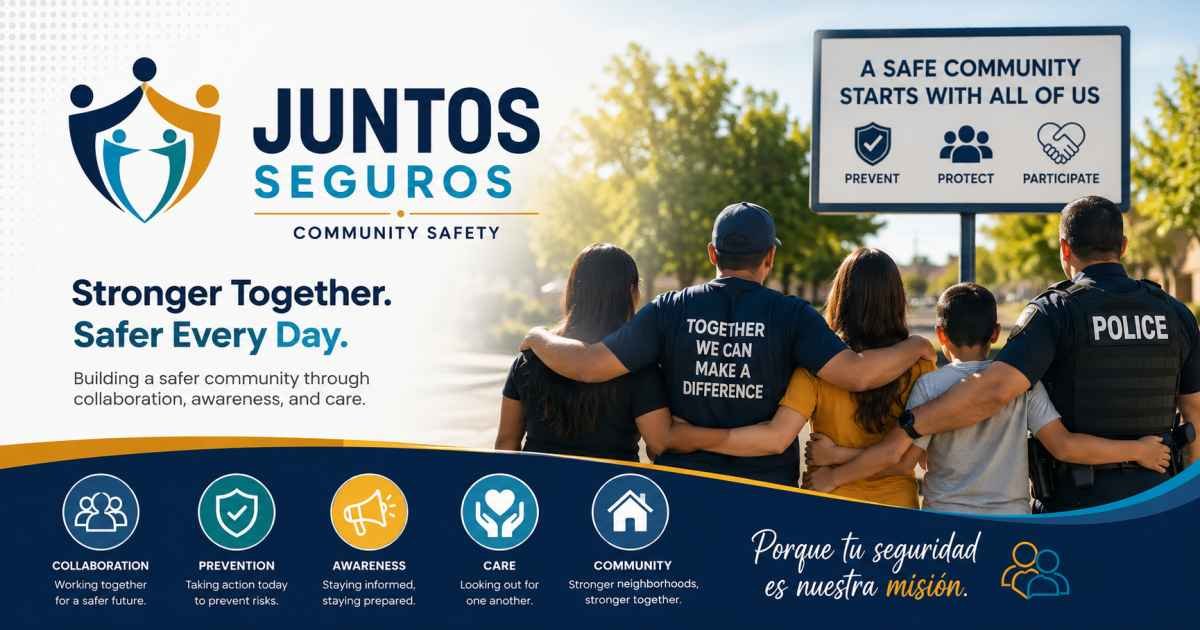
JuntosSeguros ICE : The Complete Guide to Immigration Preparedness, Know Your Rights, Family Safety, and Community Support
Published

on

JuntosSeguros ICE : The Complete Guide to Immigration Preparedness, Know Your Rights, Family Safety, and Community Support

In 2026, many individuals and families are searching for JuntosSeguros ICE to learn about immigration preparedness, Know Your Rights resources, family emergency planning, and trusted community support. As immigration policies and enforcement practices continue to evolve, access to accurate, practical, and easy-to-understand information has become increasingly important.

The phrase “Juntos Seguros” translates from Spanish as “Safe Together,” reflecting a community-centered approach that emphasizes education, preparedness, and mutual support. Rather than promoting fear or speculation, JuntosSeguros ICE focuses on helping people understand their rights, organize important documents, prepare emergency plans, and connect with reliable organizations.

This comprehensive guide explains what JuntosSeguros ICE is, how it supports communities, its key resources, benefits, and why it has become an important educational initiative in 2026.


What Is JuntosSeguros ICE?

JuntosSeguros ICE refers to educational resources and community initiatives that help individuals and families prepare for immigration-related situations while promoting public safety, legal awareness, and emergency readiness.

The platform or initiative is designed to provide general educational information, not individualized legal advice. Its mission is to make reliable information more accessible, particularly for immigrant and multilingual communities.

Topics commonly associated with JuntosSeguros ICE include:

  • Know Your Rights education
  • Family emergency planning
  • Immigration preparedness
  • Community safety
  • Legal resource directories
  • Emergency contact planning
  • Public awareness campaigns
  • Support services and nonprofit resources

The guiding principle behind JuntosSeguros ICE is that informed communities are better prepared to respond to unexpected situations calmly and effectively.


Know Your Rights: A Core Focus

One of the most valuable aspects of JuntosSeguros ICE is helping people understand their legal rights during interactions with immigration or law enforcement officials.

Educational materials often explain topics such as:

  • The right to remain silent in certain situations
  • The importance of staying calm during official interactions
  • The right to consult with a qualified attorney
  • Understanding warrants and official documents
  • How to avoid misinformation
  • Why keeping important documents organized matters

These resources are intended to help individuals make informed decisions and seek professional legal assistance when necessary.


Family Emergency Preparedness

Preparedness is a major theme of JuntosSeguros ICE. Having an emergency plan can reduce confusion and help families respond more effectively if an unexpected event occurs.

A comprehensive family preparedness plan may include:

Emergency Contacts

Maintain an updated list of:

  • Family members
  • Trusted friends
  • Caregivers
  • Schools
  • Healthcare providers
  • Legal representatives

Important Documents

Store copies of essential documents securely, such as:

  • Identification
  • Passports
  • Birth certificates
  • Medical records
  • Insurance information
  • Financial records

Childcare Planning

Families with children should consider identifying trusted caregivers and ensuring they have access to important contact information if needed.

Communication Plan

Establish a clear plan so family members know how to communicate during emergencies.


Community Resources and Support

A key strength of JuntosSeguros ICE is connecting people with trusted organizations that provide education and assistance.

Community resources may include:

  • Nonprofit organizations
  • Immigration legal aid providers
  • Community centers
  • Educational workshops
  • Healthcare clinics
  • Mental health services
  • Family support organizations
  • Emergency preparedness programs

These organizations often provide multilingual services that improve accessibility for diverse communities.


Benefits of JuntosSeguros ICE

Educational initiatives like JuntosSeguros ICE offer numerous advantages.

Reliable Information

Users receive practical educational content that helps reduce confusion and misinformation.

Improved Preparedness

Families with emergency plans often feel more confident and organized during unexpected situations.

Community Empowerment

Education enables individuals to better understand available resources and make informed decisions.

Greater Access to Support

Directories and community partnerships help connect users with organizations capable of providing professional assistance.

Stronger Community Resilience

Prepared communities are generally better equipped to respond collectively during emergencies.


Why JuntosSeguros ICE Is Important in 2026

Several trends explain the growing interest in JuntosSeguros ICE.

Need for Trusted Educational Resources

People increasingly rely on digital platforms that explain complex topics in clear, understandable language.

Emergency Planning Awareness

Families recognize the importance of preparing before emergencies occur rather than reacting afterward.

Multilingual Accessibility

Spanish-language and bilingual educational materials improve access for a wide range of communities.

Community Collaboration

Schools, nonprofits, faith-based organizations, volunteers, and local leaders increasingly work together to strengthen preparedness and public awareness.

Digital Learning

Online platforms make educational resources available anytime, helping individuals learn at their own pace.


Frequently Asked Questions About JuntosSeguros ICE

What is JuntosSeguros ICE?

JuntosSeguros ICE is an educational initiative focused on immigration preparedness, Know Your Rights information, family emergency planning, and community support resources.

Does JuntosSeguros ICE provide legal advice?

No. The platform provides general educational information. Individuals facing specific legal questions should consult a qualified immigration attorney or accredited legal representative.

Who can benefit from JuntosSeguros ICE?

The initiative may be helpful for:

  • Individuals
  • Families
  • Community organizations
  • Volunteers
  • Educators
  • Advocacy groups
  • Anyone interested in preparedness and community safety

Why is emergency planning important?

Preparation helps families organize important information, improve communication, and respond more effectively during unexpected situations.

Why is JuntosSeguros ICE becoming more popular?

Growing interest in community safety, immigration education, emergency preparedness, and multilingual resources has increased awareness of educational initiatives like JuntosSeguros ICE.


Final Thoughts

In 2026, JuntosSeguros ICE reflects the growing importance of education, preparedness, and community collaboration. By promoting Know Your Rights awareness, family emergency planning, community resource connections, and public safety education, the initiative helps individuals make informed decisions while encouraging proactive preparation.

The message behind **Juntos Seguros—”Safe Together”—**highlights the value of cooperation and knowledge. Strong communities are built through accurate information, trusted partnerships, organized planning, and mutual support, not through fear or uncertainty.

Whether individuals are preparing family emergency plans, learning about available community services, or seeking educational resources about immigration-related topics, JuntosSeguros ICE serves as a valuable starting point for building resilience. As communities continue to prioritize preparedness and access to reliable information, initiatives like JuntosSeguros ICE demonstrate how education and collaboration can contribute to safer, stronger, and more informed communities for everyone.

Continue Reading

Business

JuntosSeguros.com Map : The Complete Guide to Community Resource Maps, Safety Services, and Local Support

Published

on

JuntosSeguros.com Map : The Complete Guide to Community Resource Maps, Safety Services, and Local Support

Finding reliable local resources can make a significant difference during emergencies, immigration-related situations, or when seeking community assistance. This is where the JuntosSeguros.com Map becomes especially valuable. In 2026, more individuals, families, and community organizations are searching for JuntosSeguros.com Map to locate trusted services, educational resources, legal assistance, healthcare providers, and safety information within their communities.

The phrase “Juntos Seguros” translates from Spanish as “Safe Together,” representing a collaborative approach to community safety, preparedness, education, and public support. The map component helps users identify nearby organizations and services that can provide practical assistance when needed.

This complete guide explains what the JuntosSeguros.com Map is, how it works, its key features, benefits, and why it has become an important community resource in 2026.


What Is the JuntosSeguros.com Map?

The JuntosSeguros.com Map is an interactive community resource directory designed to help users locate organizations and services that support safety, preparedness, education, and community well-being. Rather than functioning as a traditional navigation map, it serves as a resource locator, connecting people with trusted local assistance.

Depending on the region and participating organizations, the map may include information about:

  • Community organizations
  • Legal assistance providers
  • Healthcare clinics
  • Educational centers
  • Emergency preparedness resources
  • Family support organizations
  • Food assistance programs
  • Housing support services
  • Mental health resources
  • Community outreach programs

Its primary purpose is to simplify access to reliable local support.


Purpose of the JuntosSeguros.com Map

The philosophy behind the map aligns with the broader mission of JuntosSeguros: helping communities stay informed, prepared, and connected.

The map is designed to help users:

  • Locate trusted community resources
  • Find organizations offering educational support
  • Identify emergency preparedness services
  • Access multilingual assistance
  • Connect with nonprofit organizations
  • Discover local healthcare providers
  • Locate family support services
  • Improve community awareness

Rather than replacing emergency services or professional advice, the map acts as an informational tool that helps users find appropriate resources more efficiently.


Key Features of the JuntosSeguros.com Map

Modern community resource maps offer several useful features that improve accessibility and usability.

Interactive Search

Users may search by:

  • City
  • ZIP code
  • Region
  • Organization type
  • Service category

This makes it easier to identify nearby resources without manually searching multiple websites.

Categorized Services

Resources are often organized into categories such as:

  • Community centers
  • Legal services
  • Healthcare
  • Education
  • Emergency preparedness
  • Family assistance
  • Food support
  • Housing programs
  • Mental health services

Organized categories help users quickly locate the assistance they need.

Community-Focused Information

The platform emphasizes practical information designed to support local residents rather than simply displaying geographic locations.

Accessibility

Many community resource platforms prioritize multilingual support, mobile compatibility, and user-friendly navigation so that information is available to as many people as possible.


Benefits of Using the JuntosSeguros.com Map

The JuntosSeguros.com Map provides several advantages for individuals, families, and community organizations.

Faster Access to Local Resources

Instead of searching multiple websites, users can identify relevant organizations through a centralized directory.

Improved Community Awareness

The map introduces users to valuable services they may not have previously known existed.

Emergency Preparedness

Knowing where local support organizations are located before an emergency occurs can improve preparedness and response.

Support for Diverse Communities

By organizing multilingual and community-based resources, the map helps improve accessibility for a broad range of users.

Encouraging Community Connections

The platform promotes collaboration between nonprofits, healthcare providers, educators, volunteers, and local organizations working toward common community goals.


Who Can Benefit from the JuntosSeguros.com Map?

The map is designed to serve a wide variety of users.

Families

Parents can locate educational programs, healthcare services, childcare resources, and emergency assistance.

Community Organizations

Nonprofits and outreach groups may use the map to connect with individuals seeking support.

Students

Students can identify educational opportunities, community centers, and local services.

Volunteers

Community volunteers can discover organizations that welcome additional assistance.

Individuals Seeking Local Support

Anyone looking for trusted local resources can use the platform to explore available services within their community.


Why the JuntosSeguros.com Map Is Growing in Popularity in 2026

Several trends have increased demand for centralized community resource directories.

Digital Accessibility

People increasingly rely on online platforms to locate nearby services quickly and conveniently.

Preparedness and Community Resilience

Communities recognize the value of planning ahead and knowing where trusted resources are located before emergencies occur.

Growing Demand for Reliable Information

Users prefer centralized platforms that organize verified community resources in one place.

Multilingual Community Support

Spanish-language and bilingual resources continue to expand access to important information for diverse populations.

Collaborative Community Networks

Organizations increasingly work together to strengthen public safety, education, and social services, making integrated resource maps more valuable than ever.


Frequently Asked Questions About the JuntosSeguros.com Map

What is the JuntosSeguros.com Map?

It is an interactive community resource directory that helps users locate organizations providing education, healthcare, legal assistance, emergency preparedness, and family support services.

Who can use the map?

Anyone seeking reliable local resources—including families, students, volunteers, community organizations, and individuals—can benefit from using the platform.

Does the map replace emergency services?

No. The map is designed as an informational resource to help users locate community organizations. In emergencies requiring immediate assistance, individuals should contact the appropriate emergency services in their area.

Why is the map useful?

It simplifies the process of finding trusted organizations, encourages preparedness, and improves awareness of available community support.

Why are more people searching for JuntosSeguros.com Map?

Growing interest in community safety, local services, preparedness, and digital resource directories has increased awareness of the platform.


Final Thoughts

In 2026, the JuntosSeguros.com Map represents an important step toward stronger, safer, and more connected communities. By organizing valuable information about healthcare providers, educational institutions, legal assistance, nonprofit organizations, emergency preparedness resources, and family support services, the platform helps users access trusted local resources more efficiently.

The philosophy behind **Juntos Seguros—”Safe Together”—**remains central to the platform’s mission. Rather than focusing solely on emergencies, it encourages preparation, education, collaboration, and informed decision-making. Community members who understand where to find reliable support are better equipped to navigate everyday challenges and unexpected situations.

As digital resource directories continue to evolve, the JuntosSeguros.com Map has the potential to become an increasingly valuable tool for individuals, families, volunteers, and organizations committed to building resilient communities. Through accessible information, local partnerships, and community collaboration, it supports the shared goal of helping everyone stay safe together.

Continue Reading

Trending