
Lifestyle
The Many Lives of Janet Gayle: Exploring the Stories Behind a Shared Name

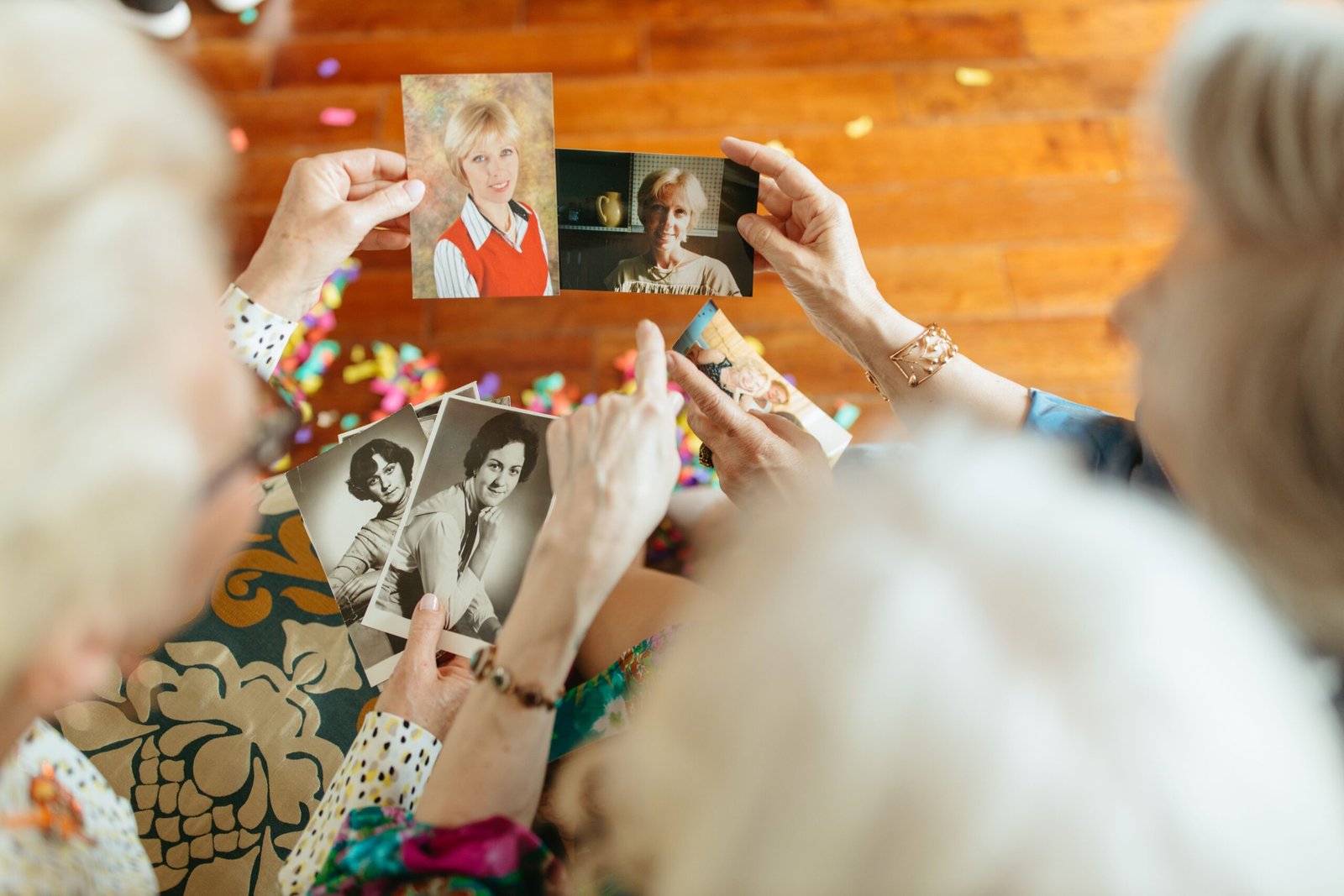
Introduction
The name “Janet Gayle“ resonates across American history as a thread connecting diverse lives, careers, and communities. From the bustling streets of Detroit to the quiet corners of rural Texas, individuals bearing this name have left indelible marks on their families and professions. This comprehensive exploration reveals how a common name can represent a tapestry of human experience, from dedicated public servants and pioneering nurses to passionate genealogists and devoted community leaders. Understanding the stories of those who share the name “Janet Gayle” offers a unique window into American life across generations, highlighting the values of service, family, and perseverance that transcend individual circumstances.
The Historical Roots of Janet Gayle
The Name Through the Ages
The name “Janet Gayle” represents a fascinating intersection of cultural heritage and family tradition that spans multiple decades of American history. Janet Gayle Gross, born in 1934 in Highland Park, Michigan, represents one of the earliest documented individuals with this name in the modern era. Her life story mirrors the trajectory of many Americans who grew up during the Great Depression, attended local schools like Lincoln High School in Ferndale, and built their lives around family and community service. Working for Hudson’s Department Store in Detroit during a period when such department stores were the heart of American retail culture, Gross exemplified the working-class values that defined mid-century America.
A Name Across States
The geographical spread of individuals named Janet Gayle reveals interesting patterns of migration and settlement across the United States. From Minnesota to North Carolina, Ohio to Texas, bearers of this name have established roots in diverse communities. Janet Gayle Grosenick Berdan, born in Ortonville, Minnesota in 1929, represents the Midwestern origins of many individuals with this name, later relocating to Massachusetts and eventually North Carolina as her family grew. This movement across state lines reflects the broader American trend of westward and southward migration that characterized the post-World War II era.
Professional Legacies of Janet Gayle
Nursing and Healthcare
The nursing profession appears prominently among those named Janet Gayle, suggesting a tradition of caregiving that has been passed through generations. Janet Gayle Widman, who earned her nursing diploma from M.B. Johnson School of Nursing in Elyria, Ohio, represents the height of nursing achievement, having been included in multiple editions of “Who’s Who in American Nursing”. Her career path from the Clinton Memorial Hospital to the Highland District Hospital demonstrates how nurses served as the backbone of community healthcare throughout the twentieth century. Similarly, Janet Gayle Von Lehmden dedicated decades of service as a Nurse’s Aide at the Mental Health Institute in Independence, Iowa, particularly enjoying her work in the geriatric unit where she cared for elderly patients with compassion and dignity.
Legal and Administrative Excellence
The professional achievements of individuals named Janet Gayle extend into the legal and administrative realms. Janet Gayle Cervantes, a California lawyer certified in arbitration and mediation through Pepperdine University’s Straus Institute for Dispute Resolution, exemplifies how individuals with this name have broken barriers in traditionally male-dominated fields. Her expertise in business law, construction law, and elder law demonstrates the range of legal services provided to communities across the state.
Education and Community Leadership
Public service and education emerge as recurring themes in the stories of those named Janet Gayle. Janet Gayle Ledbetter achieved remarkable success in both academic and civic arenas, earning Bachelor’s and Master’s degrees in History from the University of Texas at Arlington and pursuing doctoral studies in Middle Eastern History at TCU. Her dedication to community service included serving as precinct chair for the Democratic Party, running for State Representative, and later serving as Johnson County Democratic Chair for many years. Her legendary pursuit of genealogy, traveling across the country to visit historical societies, libraries, and cemeteries, speaks to a deep commitment to preserving family and community history.
Personal Stories and Family Legacies
Building Families Across Generations
The family stories of those named Janet Gayle reveal the strength of marital bonds and the importance of family in American life. Janet Gayle McFatridge, who married James C. McFatridge in 1957 and remained married for 56 years until her passing, represents the lasting commitment that defined many post-war marriages. Her active involvement in the Kokomo Country Club for more than 50 years and her role as a founding member of the Woodhaven Neighborhood Watch demonstrate how women of her generation contributed to community building through volunteer work and civic engagement.
The Challenge of Loss
Tragedy and resilience also appear in these stories. Janet Gayle Gross experienced the loss of her husband Richard in 2009 before passing away herself in 2021 at the age of 87. Similarly, Janet Gayle Von Lehmden lost her husband John in 2009, yet continued to live a full life surrounded by family and community in Independence, Iowa. These experiences of widowhood and the ability to rebuild life after loss speak to the strength and resilience of women bearing this name.
Contemporary Janet Gayles
The name continues to be carried by individuals making their mark in the twenty-first century. Janet Gayle Brubaker, who passed away in 2025 at age 83, represents a New Year’s baby born on January 1, 1942, who dedicated her career to social work and community service. Her journey from Indiana State University to working with troubled children at Beatty State Hospital, and later becoming Director of the CLASS program at The ARC of Austin, demonstrates the enduring commitment to helping others that characterizes many of the women who bear this name. Her passion for community gardening at Foothills Unitarian Church in Fort Collins, Colorado, and her dedication to providing fresh vegetables to the Larimer County Food Bank, shows how these women continued to serve their communities even into retirement.
The Name in Popular Culture and Public Record
Genealogical Significance
For those researching family history, the name Janet Gayle appears frequently in genealogical records, census data, and historical archives. The naming convention of using the middle name Gayle has been a persistent feature across generations, appearing in birth records from the 1930s through the 2020s. This consistency has made the name a valuable reference point for genealogists tracking family lineages across state lines and through decades of demographic change.
Journalism and Public Life
The name has also been associated with journalism and public advocacy. Janet Gayle Widman demonstrated this through her work as Executive Director of the Clinton County Women’s Center, where she developed programs on date rape and chastity that reached thousands of teens and young adults across multiple states. Her publication of the “Abstinence Angle” newspaper and her development of curriculum materials show how individuals with this name have contributed to important public conversations about health, safety, and youth development.
Conclusion
The name “Janet Gayle” represents more than a collection of letters—it embodies a shared heritage of service, dedication, and community commitment that spans generations and crosses state lines. From nurses and educators to lawyers and community leaders, women who bear this name have contributed meaningfully to American society in countless ways. Their stories remind us that names carry weight, connecting individuals to families, traditions, and communities in ways that transcend time and geography. As we reflect on the lives of these remarkable women, we are reminded of the power of a name to tell a story, unite a family, and inspire future generations.
Frequently Asked Questions
Who is Janet Gayle Gross and why is she significant?
Janet Gayle Gross, born Janet Oben in 1934 in Highland Park, Michigan, worked for Hudson’s Department Store in Detroit for many years. She was a wife and mother of three children who lived a life of service to her family and community, embodying the working-class values of mid-century America.
What professional achievements are associated with the name Janet Gayle?
Individuals named Janet Gayle have achieved success in diverse fields including nursing, law, healthcare administration, education, and community service. Notable achievements include being included in “Who’s Who in American Nursing,” serving as County Democratic Chair, and working as Director of programs serving people with disabilities.
How many notable individuals have been named Janet Gayle?
Numerous individuals named Janet Gayle have been documented across various states including Michigan, Texas, Ohio, Minnesota, Iowa, Missouri, and Colorado. Each has made unique contributions to their communities and professions.
What does the name “Janet Gayle” represent in American history?
The name represents a cross-section of American women who have dedicated their lives to family, community service, and professional achievement. From nurses and social workers to lawyers and educators, these women have contributed to the fabric of American society across multiple generations.
Where can I find information about Janet Gayle family histories?
Genealogical records, census data, and historical archives including Find A Grave, WikiTree, and MyHeritage contain extensive records of individuals named Janet Gayle, making them valuable resources for family history research.

Chrystie Jenner is best known as the first wife of Olympic gold medalist and television personality Caitlyn Jenner (formerly known as Bruce Jenner). Although she generally maintained a private lifestyle compared to many members of the extended Jenner-Kardashian family, Chrystie Jenner has remained an interesting public figure because of her role during Caitlyn Jenner’s rise to international fame. Their marriage began before Olympic success transformed their lives, making Chrystie an important part of that early journey. Over the years, many readers have searched for information about Chrystie Jenner’s biography, early life, family, career, children, and personal story. While she has largely stayed away from the spotlight, her life continues to attract curiosity due to her connection with one of America’s most recognizable families.
Chrystie Jenner Early Life and Background
Chrystie Jenner was born and raised in the United States and spent much of her early years living a relatively private life. Unlike celebrities who enter the entertainment industry at a young age, she experienced a fairly typical upbringing before becoming associated with public attention. Information regarding her childhood, education, and immediate family has always remained limited because she preferred privacy over media exposure. Even after becoming connected to one of the world’s most famous families, Chrystie rarely sought interviews or public appearances. This reserved personality helped her maintain a level of normalcy despite increasing public interest in her personal life.
Growing up, Chrystie developed values centered on family, hard work, and supporting those closest to her. These qualities later became evident during her marriage, especially when Caitlyn Jenner was working toward athletic success. Rather than seeking recognition herself, Chrystie focused on creating stability at home while supporting her husband’s ambitions.
Marriage to Caitlyn Jenner
Chrystie Jenner married Bruce Jenner, now known as Caitlyn Jenner, in 1972. At the time, Bruce Jenner was an emerging athlete with dreams of becoming one of the world’s greatest decathletes. Their relationship began long before international fame arrived, allowing Chrystie to witness the challenges, sacrifices, and determination required to compete at the highest athletic level.
During the marriage, Chrystie provided emotional encouragement while Caitlyn trained extensively for major competitions. Their partnership existed during a defining period in sports history, culminating in Caitlyn Jenner winning the Olympic gold medal in the decathlon at the 1976 Summer Olympics in Montreal. This historic achievement transformed Caitlyn into an international celebrity, bringing sudden media attention that naturally extended to Chrystie and their family.
Family and Children
Chrystie Jenner and Caitlyn Jenner welcomed two children during their marriage: Burt Jenner and Cassandra “Casey” Jenner. Both children have maintained connections with the broader Jenner family while also pursuing their own personal and professional interests.
As a mother, Chrystie prioritized raising her children with care and stability despite the increasing public attention surrounding the family. She focused on providing a supportive environment during a period when celebrity status was rapidly changing their lives. Her dedication to family responsibilities became one of the defining characteristics of her personal journey.
Career and Professional Life
Compared to many public figures connected to Hollywood or reality television, Chrystie Jenner maintained a relatively low-profile career. Rather than pursuing widespread fame, she concentrated on supporting her family while managing personal and professional responsibilities outside constant media coverage.
Because she intentionally lived away from the entertainment spotlight, publicly available information regarding her professional career remains limited. Nevertheless, many people respect her decision to value privacy and independence over celebrity culture. This choice has allowed her to live a more balanced life while remaining remembered for her role during an important chapter of the Jenner family’s history.
Life After Divorce
Chrystie Jenner and Caitlyn Jenner eventually divorced in 1981 after nearly a decade of marriage. Like many public separations involving well-known personalities, their divorce attracted media interest. However, Chrystie largely avoided public controversy and continued focusing on her own life and her children.
Following the divorce, she maintained a quieter lifestyle and stayed away from reality television and celebrity media that later became closely associated with members of the Kardashian-Jenner family. Her preference for privacy has helped preserve her reputation as someone who values personal dignity over publicity.
Chrystie Jenner’s Legacy
Although Chrystie Jenner is not a celebrity in the traditional sense, her place in the Jenner family history remains significant. She supported Caitlyn Jenner during the years leading to Olympic greatness and helped build a family that continues to receive worldwide attention today.
Many people appreciate Chrystie’s story because it represents resilience, family commitment, and personal strength. Instead of embracing constant media exposure, she chose a quieter path that reflects her independent character. Her life reminds readers that not every influential person seeks fame; sometimes the greatest impact comes through supporting loved ones during life’s most important moments.
Interesting Facts About Chrystie Jenner
- Chrystie Jenner was Caitlyn Jenner’s first wife.
- She married Caitlyn in 1972.
- Their marriage lasted until 1981.
- She is the mother of Burt Jenner and Cassandra “Casey” Jenner.
- She supported Caitlyn during the journey to Olympic gold.
- She has consistently preferred a private lifestyle.
- She rarely gives public interviews.
- She remains an important figure in the early history of the Jenner family.
Conclusion
Chrystie Jenner continues to attract public interest because of her connection to one of America’s best-known families, yet her own story deserves recognition. From her early life and marriage to Caitlyn Jenner to raising a family and choosing privacy over celebrity, her journey reflects resilience, dedication, and strength. While much of today’s attention focuses on the Kardashian-Jenner media empire, Chrystie Jenner represents an earlier chapter marked by family values, personal sacrifice, and unwavering support during a pivotal period in Caitlyn Jenner’s athletic career. Her biography remains relevant to readers seeking a deeper understanding of the people who shaped the Jenner family’s history.
Frequently Asked Questions (FAQ)
Who is Chrystie Jenner?
Chrystie Jenner is the first wife of Caitlyn Jenner (formerly Bruce Jenner) and the mother of Burt Jenner and Cassandra “Casey” Jenner.
Why is Chrystie Jenner famous?
She is known for her marriage to Caitlyn Jenner during the years leading up to the 1976 Olympic gold medal victory.
Does Chrystie Jenner have children?
Yes. She has two children: Burt Jenner and Cassandra “Casey” Jenner.
When did Chrystie Jenner marry Caitlyn Jenner?
They married in 1972.
When did Chrystie Jenner and Caitlyn Jenner divorce?
Their marriage ended in 1981.
What does Chrystie Jenner do now?
Chrystie Jenner has largely remained out of the public spotlight and continues to maintain a private life.
Why is Chrystie Jenner still searched online?
People frequently search for her biography because of her role in the early history of the Jenner family and her connection to Caitlyn Jenner.
Lifestyle
Jean Christensen : Biography, Career, Family, Relationship with André the Giant, and Legacy
Jean Christensen remains a fascinating figure in professional wrestling history, largely because of her relationship with legendary wrestler André the Giant. While she never sought the same level of public attention as the wrestling icon, her life continues to attract interest from wrestling fans, biographers, and those curious about the personal story behind one of sports entertainment’s most recognizable names.
As the mother of Robin Christensen-Roussimoff, André the Giant’s only child, Jean Christensen occupies a unique place in wrestling history. Despite the ongoing curiosity surrounding her life, much of her story has remained private, contributing to continued online searches in 2026.
This complete guide explores Jean Christensen’s early life, professional career, relationship with André the Giant, family life, daughter, and lasting legacy while distinguishing verified facts from speculation.
Who Was Jean Christensen?
Jean Christensen was an American public relations professional and wrestling industry employee who became widely known through her relationship with André the Giant, one of the most celebrated professional wrestlers of all time.
Although she is frequently described only as André’s former partner, Jean Christensen had her own professional career within the wrestling business. She reportedly worked in public relations for wrestling promotions, allowing her to interact with athletes, promoters, and media representatives during a transformative era of professional wrestling.
Today, she is primarily recognized as:
- Public relations professional
- Former wrestling industry employee
- Mother of Robin Christensen-Roussimoff
- Former partner of André the Giant
Unlike many people connected to celebrities, Jean Christensen maintained a relatively private life outside the spotlight.
Early Life and Career
Publicly available information about Jean Christensen’s childhood, education, and early family background is limited. She never pursued celebrity status, and relatively few verified records document her personal history before entering the wrestling industry.
What is generally accepted is that she worked in public relations, a role involving communication between wrestling organizations, athletes, the media, and promotional events. During the late 1970s and early 1980s, professional wrestling was expanding internationally, creating opportunities for communications and promotional professionals.
Her experience in public relations likely contributed to her meeting many prominent wrestling personalities, including André the Giant.
Relationship with André the Giant
Jean Christensen is best known for her relationship with André René Roussimoff, universally recognized as André the Giant.
André became one of the biggest attractions in professional wrestling thanks to his extraordinary size, charisma, and international fame. His appearances in organizations such as the World Wrestling Federation (WWF) and his role in the classic film The Princess Bride helped make him a global icon.
Jean Christensen and André the Giant were involved in a relationship during the late twentieth century. Although they were not married, their relationship resulted in the birth of their daughter, Robin Christensen-Roussimoff.
Because André spent much of his career traveling internationally, the relationship attracted public attention over the years. Numerous biographies and documentaries have discussed the challenges created by his demanding schedule and worldwide wrestling commitments.
Robin Christensen-Roussimoff: Their Daughter
One of the most important aspects of Jean Christensen‘s legacy is her daughter, Robin Christensen-Roussimoff.
Robin is the only child of André the Giant and has participated in documentaries, interviews, and public discussions about her father’s life and legacy. Through these appearances, she has provided fans with valuable insight into André beyond his wrestling persona.
Robin has also worked to preserve her father’s memory by:
- Participating in wrestling documentaries
- Sharing family stories
- Supporting historical projects
- Attending wrestling-related events
- Helping educate newer generations about André’s remarkable career
Jean Christensen played a significant role in raising Robin, largely outside the intense spotlight surrounding professional wrestling.
Life Away from Public Attention
Unlike many individuals connected to internationally famous athletes, Jean Christensen deliberately maintained her privacy.
She rarely appeared in:
- Television interviews
- Wrestling media
- Celebrity publications
- Entertainment events
- Public speaking engagements
This decision has resulted in relatively little verified information regarding her personal interests, later career, or private life.
Much of what is circulated online about Jean Christensen remains speculative. Responsible biographies should distinguish confirmed historical facts from unsupported rumors.
Her preference for privacy has contributed to the ongoing curiosity surrounding her life.
Jean Christensen’s Legacy in Wrestling History
Although Jean Christensen never became a professional wrestler herself, she remains connected to wrestling history through both her relationship with André the Giant and her daughter.
Her legacy includes several important aspects.
Connection to One of Wrestling’s Greatest Legends
Few athletes have had the global impact of André the Giant, making those connected to his personal life subjects of continued historical interest.
Support Within the Wrestling Industry
Her reported work in public relations demonstrates that many important contributors to wrestling operated behind the scenes rather than inside the ring.
Mother of André’s Only Child
Robin Christensen-Roussimoff continues preserving André’s legacy through documentaries and educational appearances, ensuring Jean Christensen remains an important part of wrestling history.
Historical Interest
As documentaries and biographies continue exploring André’s extraordinary life, public curiosity regarding Jean Christensen also remains strong.
Frequently Asked Questions About Jean Christensen
Who was Jean Christensen?
Jean Christensen was an American public relations professional who became widely known through her relationship with legendary wrestler André the Giant.
Was Jean Christensen married to André the Giant?
No. Although they shared a relationship, they were not married.
Who is Jean Christensen’s daughter?
Her daughter is Robin Christensen-Roussimoff, the only child of André the Giant.
What did Jean Christensen do professionally?
She reportedly worked in public relations within the professional wrestling industry, helping support communications and promotional activities.
Why is Jean Christensen still searched online?
People continue researching her because of her connection to André the Giant, wrestling history, and interest in Robin Christensen-Roussimoff’s family background.
Final Thoughts
In 2026, Jean Christensen continues to be remembered as an important figure connected to one of professional wrestling’s greatest legends. While much of her personal life remained private, her relationship with André the Giant and her role as the mother of Robin Christensen-Roussimoff ensure her lasting place in wrestling history.
Unlike many individuals associated with celebrities, Jean Christensen chose a life largely outside the public spotlight. As a result, verified information about her remains relatively limited, making it important to rely on credible historical sources rather than speculation.
Her story also highlights the many individuals who contributed to the wrestling industry beyond the ring. Through her work in public relations, her role in raising André the Giant’s daughter, and her connection to one of sports entertainment’s most iconic figures, Jean Christensen remains a person of enduring interest for wrestling fans, historians, and biographers alike.
As documentaries, books, and historical research continue to explore the life of André the Giant, Jean Christensen’s legacy will remain an important part of that broader narrative, reminding fans that every legendary career is shaped not only by public achievements but also by the people behind the scenes.


Tatsuya Shiba: Biography, Powers, Personality, and Story Explained

Met Live in HD: Complete Guide to the Metropolitan Opera’s Live Broadcasts

Boy in ASL: How to Sign “Boy” in American Sign Language

Droven.io Review 2026: The Honest Truth About This AI Knowledge Platform

Keiko Fujimoto: The Life and Legacy of Sunny Balwani’s Ex-Wife

The Enigmatic Life of Solica Casuto: From Greek Actress to Andy Griffith’s Second Wife and Her Choice of Privacy
 Tech3 months ago
Droven.io Review 2026: The Honest Truth About This AI Knowledge Platform
- Fashion3 months ago
Keiko Fujimoto: The Life and Legacy of Sunny Balwani’s Ex-Wife
- Fashion3 months ago
The Enigmatic Life of Solica Casuto: From Greek Actress to Andy Griffith’s Second Wife and Her Choice of Privacy
- Sports3 months ago
Amy Dettbarn: The Untold Story of the Woman Behind UConn Star Paige Bueckers
- Tech3 months ago
Antonimar Mello: The Quiet Strength Behind a Pop Icon
- Fashion3 months ago
Mark Fluent: Your Comprehensive Guide to Achieving Peak Performance and Unlocking Your True Potential
- Fashion3 months ago
Carlos Scola Pliego: The Spanish Filmmaker Who Captured Sade’s Heart
- Fashion2 months ago
Monika Leveski : Biography, Design Philosophy, Art Career, and Modern Elegance Explained