
Sports
The Unrivalled Legacy of Ruby Walsh: A Tribute to Jump Racing’s Greatest


Lincoln United FC is one of Lincolnshire’s respected non-league football clubs, proudly representing the city of Lincoln, England. Known for its strong community values, competitive spirit, and commitment to developing local football talent, the club has earned a respected place within the English football pyramid. Over the years, Lincoln United FC has become much more than a football team—it is a community-focused organization that brings together players, supporters, volunteers, and local businesses through a shared passion for the game.
In 2026, Lincoln United Football Club continues to build on its proud history by investing in player development, grassroots football, youth programs, and community engagement. Whether you are a dedicated supporter, a player looking for opportunities, or someone interested in learning more about the club, this comprehensive guide explores everything you need to know about Lincoln United FC.
The History of Lincoln United FC
The history of Lincoln United FC reflects the determination, ambition, and resilience that define English non-league football. Since its formation, the club has steadily developed through the dedication of players, coaches, volunteers, committee members, sponsors, and loyal supporters.
Throughout the years, Lincoln United has competed in numerous league and cup competitions, earning recognition for its competitive performances and commitment to developing football within Lincolnshire. Like many community clubs, the club has experienced memorable victories, challenging seasons, and periods of growth, all of which have shaped its identity.
As football has evolved, Lincoln United FC has continued to modernize its coaching, facilities, and player development programs while remaining true to its traditions of sportsmanship, hard work, and community involvement.
Today, the club stands as an important part of Lincoln’s sporting culture and continues to inspire future generations of footballers.
Club Philosophy and Core Values
At the heart of Lincoln United FC is a philosophy that prioritizes both footballing excellence and personal development. The club believes that success comes from creating a positive environment where players can improve their skills while developing qualities that benefit them beyond football.
The club’s core values include:
- Respect for teammates, opponents, coaches, and officials
- Teamwork and unity
- Discipline and professionalism
- Fair play
- Player welfare
- Community engagement
- Inclusion and diversity
- Continuous learning and improvement
These principles guide every aspect of the club’s activities, from youth coaching to senior competition.
Lincoln United FC also recognizes the importance of creating opportunities for players of different backgrounds and experience levels, ensuring football remains accessible to everyone.
Senior Football and Competitive Performance
Senior football remains the foundation of Lincoln United FC, with teams competing in organized league and cup competitions throughout the football season.
The coaching staff works to prepare players through structured training that focuses on:
- Technical ability
- Tactical awareness
- Physical fitness
- Attacking creativity
- Defensive organization
- Leadership development
- Game management
- Mental resilience
Every competitive fixture allows players to challenge themselves while proudly representing the club and the city of Lincoln.
Supporters play a vital role by creating an enthusiastic atmosphere on matchdays, encouraging players throughout every season and strengthening the club’s identity within the local community.
The ambition of Lincoln United FC is to remain competitive while continuing to develop players capable of progressing through higher levels of English football.
Youth Development and Grassroots Football
One of the greatest strengths of Lincoln United FC is its commitment to grassroots football and youth development.
The club believes that investing in young players is essential for long-term success and for the continued growth of football within the community. Youth teams provide children and teenagers with opportunities to learn the game in a structured, enjoyable, and supportive environment.
Training programs emphasize:
- Ball control
- Passing accuracy
- Dribbling skills
- Finishing techniques
- Defensive positioning
- Decision-making
- Communication
- Teamwork
Coaches encourage players to enjoy football while steadily improving their technical, tactical, and physical abilities.
As players move through different age groups, they are prepared for higher levels of competition while developing confidence, discipline, and respect.
This player-centered approach helps build not only better footballers but also responsible and confident individuals.
Coaching, Volunteers, and Club Culture
Behind every successful non-league football club is a dedicated network of volunteers, and Lincoln United FC is no exception.
Volunteers contribute in numerous ways, including:
- Coaching youth and senior teams
- Managing fixtures
- Ground maintenance
- Club administration
- Fundraising
- Matchday operations
- Player registration
- Community events
Qualified coaches play an important role in ensuring players receive modern, high-quality football education that promotes both technical excellence and personal growth.
The club’s welcoming culture encourages everyone to contribute, regardless of previous football experience.
This strong volunteer network has helped Lincoln United FC remain sustainable while continuing to expand its football programs and community initiatives.
Community Engagement and Matchday Experience
Lincoln United FC is deeply connected to its local community. The club works to make football accessible, enjoyable, and inclusive for players, supporters, and families throughout Lincolnshire.
Community involvement includes:
- Youth football programs
- School partnerships
- Football development initiatives
- Volunteer opportunities
- Family-friendly matchdays
- Local fundraising events
- Community outreach activities
- Inclusive participation programs
Matchdays provide much more than ninety minutes of football. They create opportunities for families, friends, former players, and local residents to come together and support community sport.
The welcoming atmosphere, dedicated volunteers, and passionate supporters make attending Lincoln United FC matches a memorable experience for football fans of all ages.
Why Lincoln United FC Continues to Thrive in 2026
In 2026, Lincoln United FC continues adapting to the changing landscape of English football while maintaining the values that have guided the club for many years.
The club’s ongoing priorities include:
- Developing local football talent
- Supporting grassroots participation
- Improving coaching standards
- Enhancing player welfare
- Growing youth football
- Strengthening community partnerships
- Improving club facilities
- Building long-term sustainability
By balancing competitive ambition with responsible club management, Lincoln United FC continues to strengthen its position within the English non-league system.
Its commitment to innovation, education, and community involvement ensures that the club remains an important part of football in Lincolnshire for future generations.
Conclusion
Lincoln United FC is much more than a football club—it is a community-driven organization dedicated to developing players, supporting volunteers, and promoting the values that make English football special. Through its emphasis on grassroots football, youth development, competitive senior football, community engagement, and inclusive participation, the club continues to make a positive impact both on and off the pitch.
Whether you are an aspiring footballer, a loyal supporter, a volunteer, or a family looking to become involved in local sport, Lincoln United FC offers opportunities for everyone to enjoy football in a welcoming and supportive environment. As the club continues to grow in 2026, its dedication to teamwork, respect, development, and community spirit ensures that Lincoln United Football Club will remain a valued and respected name in English non-league football for many years to come.
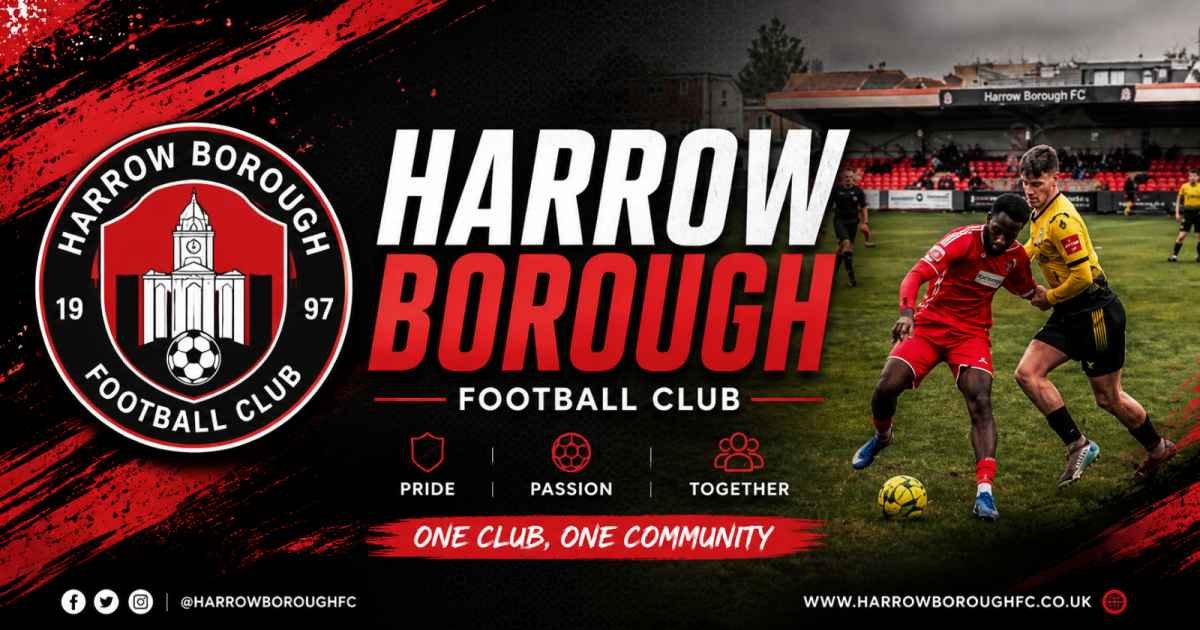
Harrow Borough FC is one of England’s respected non-league football clubs, proudly representing the London Borough of Harrow. Known for its passionate supporters, rich football heritage, and commitment to community development, the club has earned recognition as an important part of the English football pyramid. Commonly referred to as “The Boro,” Harrow Borough FC continues to provide exciting football while nurturing local talent and promoting grassroots participation.
In 2026, Harrow Borough Football Club remains focused on competitive success, player development, youth football, and strengthening its connection with the local community. Whether you are a lifelong supporter, a football enthusiast, or someone discovering the club for the first time, this comprehensive guide explains everything you need to know about Harrow Borough FC, including its history, football philosophy, youth programs, matchday experience, and future ambitions.
The History of Harrow Borough FC
The story of Harrow Borough FC reflects the determination and resilience that define English non-league football. Since its establishment, the club has steadily grown through the dedication of players, volunteers, coaches, club officials, and loyal supporters.
Over the decades, Harrow Borough FC has competed in various regional and national non-league competitions, earning respect for its competitive performances and commitment to developing football within the local community.
Like many historic football clubs, Harrow Borough has experienced memorable victories, challenging seasons, cup campaigns, and periods of rebuilding. Through every chapter of its history, the club has remained committed to the values of hard work, team spirit, and sportsmanship.
Today, Harrow Borough FC continues to honor its traditions while embracing modern football practices that support long-term growth and sustainability.
Club Philosophy and Core Values
At the heart of Harrow Borough FC is a philosophy that places equal importance on success both on and off the pitch. The club aims to develop skilled footballers while encouraging qualities that benefit players throughout their lives.
Its guiding principles include:
- Respect for teammates, opponents, and match officials
- Teamwork and unity
- Discipline and professionalism
- Fair play
- Community involvement
- Player welfare
- Continuous learning and improvement
- Inclusive participation
These values help create a welcoming environment where players, coaches, volunteers, and supporters all contribute to the club’s success.
The club also believes that football has the power to unite communities, inspire young people, and promote healthy lifestyles.
Senior Football and Competitive Ambitions
Senior football is central to the identity of Harrow Borough FC. Competing in the English non-league system provides players with opportunities to challenge themselves against quality opposition while representing their club with pride.
Training and preparation focus on several key areas:
- Technical ability
- Tactical awareness
- Physical conditioning
- Game management
- Attacking creativity
- Defensive organization
- Leadership skills
- Mental resilience
Throughout every season, the coaching staff works to improve team performance while maintaining an attractive and competitive style of football.
Supporters play an essential role on matchdays, creating an energetic atmosphere that motivates players and strengthens the club’s identity.
Youth Development and Future Talent
One of the club’s greatest priorities is developing young footballers through structured coaching and long-term player development programs.
Youth football at Harrow Borough FC emphasizes learning, enjoyment, and personal growth. Rather than focusing solely on results, coaches encourage players to develop confidence, creativity, and technical ability.
Key areas of coaching include:
- Ball control
- Passing accuracy
- Dribbling techniques
- Finishing skills
- Defensive positioning
- Movement without the ball
- Communication
- Decision-making
As players progress through different age groups, they receive increasingly advanced coaching that prepares them for senior football while continuing to promote enjoyment and sportsmanship.
The club’s commitment to youth development helps secure a sustainable future by creating opportunities for talented local players to progress through the football pathway.
Community Engagement and Grassroots Football
Beyond competitive football, Harrow Borough FC plays an important role within the local community. The club works to make football accessible to people of different ages, backgrounds, and experience levels.
Community initiatives often include:
- Youth football activities
- School partnerships
- Community football events
- Volunteer opportunities
- Family-friendly matchdays
- Football development programs
- Local engagement projects
- Inclusive participation initiatives
These efforts help strengthen relationships between the club and the wider community while encouraging greater participation in grassroots football.
By creating opportunities for players, volunteers, and supporters, Harrow Borough FC contributes to the continued growth of football throughout the region.
Coaching, Volunteers, and Matchday Experience
Like every successful community football club, Harrow Borough FC depends on the dedication of volunteers who work behind the scenes throughout the year.
Volunteers contribute to many important areas, including:
- Coaching
- Team management
- Ground maintenance
- Club administration
- Fundraising
- Matchday operations
- Player registration
- Community events
Qualified coaches work closely with players to improve their technical and tactical abilities while promoting confidence, teamwork, and respect.
Matchdays provide supporters with an enjoyable football experience that combines competitive action with a welcoming community atmosphere. Families, local residents, and visiting fans all contribute to creating the unique character of non-league football.
The club’s friendly environment helps attract new supporters while maintaining strong connections with long-time fans.
Why Harrow Borough FC Continues to Grow in 2026
In 2026, Harrow Borough FC continues to adapt to the changing landscape of English football while remaining committed to its traditional values.
The club’s ongoing priorities include:
- Developing local football talent
- Improving coaching standards
- Supporting player welfare
- Growing grassroots participation
- Expanding community engagement
- Encouraging volunteer involvement
- Enhancing club facilities
- Building long-term sustainability
Modern football requires clubs to balance competitive ambition with responsible management, and Harrow Borough FC continues to work toward both objectives.
Its dedication to innovation, youth development, and community involvement ensures that the club remains an important part of London’s non-league football scene.
Conclusion
Harrow Borough FC represents the very best of English non-league football, combining a proud history with a strong commitment to the future. Through its focus on competitive football, youth development, grassroots participation, community engagement, and player welfare, the club continues to make a meaningful contribution to football both locally and beyond.
Whether you are a player hoping to develop your skills, a supporter looking to experience authentic non-league football, a volunteer eager to contribute, or a family searching for a welcoming football community, Harrow Borough FC offers opportunities for everyone. As the club continues its journey in 2026, its dedication to teamwork, respect, development, and community spirit ensures that The Boro will remain a valued and respected name in English football for many years to come.
Cullompton Rugby Club is one of Devon’s respected grassroots rugby union clubs, known for its rich heritage, welcoming atmosphere, competitive spirit, and commitment to developing players of all ages. Located in the historic town of Cullompton, Devon, England, the club has become an important part of the local sporting community by providing opportunities for men, women, juniors, and mini rugby players to enjoy the game in a safe and inclusive environment.
In 2026, Cullompton Rugby Club continues to play a significant role in the growth of community rugby, combining traditional rugby values with modern coaching methods, player welfare initiatives, and long-term club development. Whether you are a player, parent, volunteer, supporter, or someone interested in English grassroots rugby, this guide explores everything you need to know about Cullompton Rugby Club.
The History of Cullompton Rugby Club
The story of Cullompton Rugby Club reflects the enduring popularity of rugby union in Devon. Established to provide organized rugby for the local community, the club has grown steadily through decades of commitment from players, coaches, volunteers, and loyal supporters.
Throughout its history, the club has welcomed generations of rugby players who have represented the team with pride while helping build a strong reputation for determination, teamwork, and sportsmanship. Like many successful community rugby clubs across England, Cullompton Rugby Club has evolved alongside the game while remaining dedicated to its traditional values.
Over the years, the club has expanded its youth programs, improved coaching standards, strengthened its facilities, and created pathways that allow players to progress from mini rugby to senior competition. This continued investment has helped establish Cullompton Rugby Club as an important part of Devon’s rugby landscape.
Club Philosophy and Community Values
At the heart of Cullompton Rugby Club is a commitment to creating an environment where players of every age and ability can enjoy rugby while developing important life skills.
The club promotes a culture built upon:
- Respect
- Teamwork
- Discipline
- Sportsmanship
- Inclusion
- Commitment
- Player welfare
- Community spirit
These values extend beyond matchdays, encouraging members to support one another both on and off the field.
The club also works hard to create a welcoming atmosphere for new members, ensuring that beginners and experienced players alike feel part of the rugby family.
This strong sense of belonging has been one of the key reasons for the club’s continued success and popularity.
Senior Rugby and Competitive Performance
Senior rugby remains a major focus of Cullompton Rugby Club, with players competing in organized league and cup competitions throughout the season.
Training programs are designed to help players improve every aspect of their game, including:
- Technical rugby skills
- Attacking play
- Defensive organization
- Set-piece execution
- Fitness and conditioning
- Game management
- Leadership
- Team communication
Every competitive fixture provides valuable opportunities for players to test themselves while representing their club and local community.
Matchdays are supported by passionate volunteers and loyal supporters who help create an enjoyable atmosphere that reflects the traditions of English community rugby.
Mini, Junior, and Youth Rugby Development
One of the greatest strengths of Cullompton Rugby Club is its commitment to developing the next generation of rugby players.
The club provides structured opportunities for children and young people to learn rugby in a safe, enjoyable, and age-appropriate environment. Coaches focus on building confidence, improving technical ability, and encouraging participation rather than placing excessive emphasis on results.
Youth rugby development includes:
- Mini rugby programs
- Junior age-group teams
- Skill development sessions
- Age-grade competitions
- Rugby festivals
- Player progression pathways
- Team-building activities
- Fundamental movement skills
As players mature, coaching gradually introduces more advanced tactical concepts while maintaining a strong focus on enjoyment and long-term development.
Many young players continue through the club’s pathway into senior rugby, strengthening the future of the club for years to come.
Coaching, Volunteers, and Player Welfare
Behind every successful grassroots rugby club is a dedicated team of volunteers, and Cullompton Rugby Club is no exception.
Volunteers contribute across many important areas, including:
- Coaching
- Team management
- Matchday organization
- Ground maintenance
- Club administration
- Fundraising
- Safeguarding
- Event planning
Qualified coaches work closely with players to develop rugby skills while promoting confidence, resilience, teamwork, and respect.
Player welfare is also a major priority. The club supports modern safeguarding practices, injury awareness, and safe coaching methods to ensure every participant enjoys rugby in a secure environment.
By investing in coach education and volunteer development, Cullompton Rugby Club continues to strengthen the quality of its rugby programs.
Facilities, Matchday Experience, and Club Culture
The facilities at Cullompton Rugby Club provide an excellent environment for both training and competitive rugby.
Throughout the season, the club hosts regular:
- League fixtures
- Training sessions
- Youth matches
- Community rugby events
- Club celebrations
- Social gatherings
Matchdays offer much more than rugby. Families, supporters, former players, and local residents come together to enjoy a welcoming community atmosphere where everyone can share in the excitement of the game.
The club places great importance on maintaining a positive culture built upon:
- Respect for referees
- Supportive spectators
- Fair competition
- Volunteer appreciation
- Community engagement
- Lifelong friendships
These qualities help create an environment where rugby can be enjoyed by people of all ages.
Why Cullompton Rugby Club Matters in 2026
In 2026, grassroots rugby continues to play a crucial role in the future of the sport, and Cullompton Rugby Club remains an excellent example of how community clubs contribute to rugby’s long-term success.
The club continues to focus on:
- Growing youth participation
- Supporting women’s and girls’ rugby
- Developing qualified coaches
- Recruiting volunteers
- Promoting inclusive rugby
- Improving player welfare
- Enhancing facilities
- Strengthening community partnerships
As rugby evolves with new coaching techniques, player development programs, and participation initiatives, Cullompton Rugby Club remains committed to preserving the traditions that make community rugby so special while embracing opportunities for future growth.
Conclusion
Cullompton Rugby Club is much more than a local sports club—it is a community-focused rugby organization dedicated to developing players, supporting volunteers, and promoting the core values of rugby union. Through its commitment to grassroots rugby, youth development, competitive senior rugby, coach education, and community engagement, the club continues to make a lasting impact across Devon.
Whether you are an aspiring player, an experienced rugby enthusiast, a parent looking for opportunities for your child, or a supporter of community sport, Cullompton Rugby Club offers a welcoming environment where everyone can enjoy the game. As the club moves forward in 2026, its dedication to teamwork, respect, player development, and community spirit ensures it will remain one of Devon’s valued rugby clubs for generations to come.

Tatsuya Shiba: Biography, Powers, Personality, and Story Explained

Met Live in HD: Complete Guide to the Metropolitan Opera’s Live Broadcasts

Boy in ASL: How to Sign “Boy” in American Sign Language

Droven.io Review 2026: The Honest Truth About This AI Knowledge Platform

Keiko Fujimoto: The Life and Legacy of Sunny Balwani’s Ex-Wife

The Enigmatic Life of Solica Casuto: From Greek Actress to Andy Griffith’s Second Wife and Her Choice of Privacy
 Tech3 months ago
Droven.io Review 2026: The Honest Truth About This AI Knowledge Platform
- Fashion3 months ago
Keiko Fujimoto: The Life and Legacy of Sunny Balwani’s Ex-Wife
- Fashion3 months ago
The Enigmatic Life of Solica Casuto: From Greek Actress to Andy Griffith’s Second Wife and Her Choice of Privacy
- Fashion3 months ago
Mark Fluent: Your Comprehensive Guide to Achieving Peak Performance and Unlocking Your True Potential
- Sports3 months ago
Amy Dettbarn: The Untold Story of the Woman Behind UConn Star Paige Bueckers
- Tech3 months ago
Antonimar Mello: The Quiet Strength Behind a Pop Icon
- Fashion3 months ago
Carlos Scola Pliego: The Spanish Filmmaker Who Captured Sade’s Heart
- Fashion2 months ago
Monika Leveski : Biography, Design Philosophy, Art Career, and Modern Elegance Explained