
Fashion
Keiko Fujimoto: The Life and Legacy of Sunny Balwani’s Ex-Wife


Keiko Fujimoto: The Life and Legacy of Sunny Balwani’s Ex-Wife
Introduction
In the annals of Silicon Valley’s most spectacular downfalls, the Theranos scandal stands as a cautionary tale of ambition, deception, and the seductive power of a compelling narrative. At the center of this storm was Ramesh “Sunny” Balwani, the former president and COO of Theranos, who was ultimately convicted of fraud and sentenced to 13 years in prison. However, before Balwani became entangled with Elizabeth Holmes and the ill-fated blood-testing company, he was married to a Japanese artist named Keiko Fujimoto. While her name is often mentioned in passing in Theranos-related articles, Keiko Fujimoto‘s own story—her career, her divorce, and her life after leaving Balwani—remains a subject of curiosity and speculation. This article provides a comprehensive look at Keiko Fujimoto, separating fact from fiction, and exploring her life as an artist, her brief marriage to a man who would become infamous, and the privacy she has maintained in the years since.
Who is Keiko Fujimoto? Unraveling the Identity
Keiko Fujimoto is a Japanese-American artist, actress, and television personality who first gained public attention due to her marriage to Ramesh “Sunny” Balwani, the former president and chief operating officer of the now-defunct health technology company Theranos . However, to define her solely through this relationship would be a disservice to her individual achievements and career. Born on June 23, 1977, in Tokyo, Japan, Fujimoto is a Cancer by zodiac sign . She later moved to the United States, where she pursued higher education, obtaining both a bachelor’s degree and a Master of Science degree in Information Science from the University of Illinois Urbana-Champaign . This academic background in a technical field demonstrates her intellectual versatility and ambition, which she later channeled into her artistic and media pursuits. She holds dual nationality, being both a Japanese and an American citizen .
The Career of Keiko Fujimoto: Beyond the Headlines
Before her name became permanently associated with the Theranos scandal, Keiko Fujimoto was carving out a niche for herself in the entertainment and art worlds. Her career is a testament to her diverse talents, spanning acting, television, and visual arts. Fujimoto began her journey in the Japanese media industry, with her first role being in the Japanese television series “Takajin mune ippai” in 1994 . This early exposure to the entertainment world led to other opportunities, including a role as an announcer in the 2006 mini-series “Unfair” and appearances in “Yoi Don!” and “P.O.V.” . These acting credits, while minor, showcase her versatility and ability to navigate different cultural landscapes in the media industry.
In addition to her work in front of the camera, Fujimoto is also an accomplished visual artist. Her artwork has been featured in exhibitions in the United States, demonstrating her commitment to her craft and her ability to gain recognition in a competitive art scene. In 2013, her work was displayed at the SOMA Artist Studios in San Francisco, a significant achievement for any artist . This exhibition placed her alongside other talented artists such as Jessica Allee, David Bryand, and Kat Flynn . Her participation in the San Francisco Open Studio art event further highlights her engagement with the local art community and her dedication to her artistic practice. Beyond her creative pursuits, Fujimoto also has a background in technical and managerial roles. After moving to Los Angeles in April 2009, she worked as a technical publications manager at an applied materials manufacturing firm, a role that likely utilized her background in information science . She also worked as a translator for Monica Stein, leveraging her multilingual skills .
Keiko Fujimoto and Sunny Balwani: A Marriage and a Divorce
The most documented aspect of Keiko Fujimoto’s life, unfortunately, is her relationship and subsequent divorce from Ramesh “Sunny” Balwani. The two were married and lived together in San Francisco, California . However, their union was not destined to last. On February 14, 2002, Keiko Fujimoto filed for divorce from Balwani at the San Francisco County Superior Court . The divorce was officially finalized on December 31, 2002 . The reasons behind the dissolution of their marriage have never been made public, and both parties have maintained a discreet silence on the matter .
The timing of the divorce is particularly significant given the subsequent events in Balwani’s life. In 2002, the same year Fujimoto filed for divorce, Balwani met Elizabeth Holmes in Beijing while participating in Stanford University’s Mandarin Program . At the time, Holmes was just 18 years old, while Balwani was 37 . The relationship between Balwani and Holmes, which was kept secret from most Theranos investors and employees, eventually led to their roles as the top executives at the company . Speculation has arisen that Balwani’s meeting with Holmes may have contributed to the breakdown of his marriage to Fujimoto, though this remains unconfirmed . Regardless of the reason, the divorce marked a definitive end to Fujimoto’s connection to Balwani, and she moved on with her life years before the Theranos scandal came to light.
Life After Divorce and the Theranos Connection
Following her divorce from Sunny Balwani, Keiko Fujimoto appears to have made a conscious and consistent effort to maintain a private life away from the public eye. There is little to no verified information about her personal relationships after the divorce, and she has not had any children . Unlike her ex-husband, whose later business and legal troubles made him a household name, Fujimoto has steadfastly avoided the spotlight. This discretion is likely a deliberate choice, a way to distance herself from the Theranos scandal and its associated notoriety. It is crucial to clarify that Keiko Fujimoto had absolutely no involvement with Theranos, either as an employee, executive, investor, or witness in any legal proceedings .
The public’s interest in Fujimoto stems almost entirely from her connection to Balwani, but her role in the narrative is purely biographical and contextual . She serves as a chronological marker in Balwani’s personal history, helping to establish the timeline of his relationship with Holmes. Her name appears in Theranos timelines simply to note that Balwani was married prior to his relationship with Holmes, and that his marriage ended around the same time he met the Theranos founder. This distinction is important, as it helps separate Fujimoto’s personal life from the criminal activities that later engulfed Balwani and Holmes . The Securities and Exchange Commission (SEC) and the Department of Justice have only identified Theranos, Elizabeth Holmes, and Sunny Balwani as involved in the company’s fraudulent claims .
The Challenge of Verifying Facts and Separating Truth from Fiction
One of the most significant challenges in writing about Keiko Fujimoto is the prevalence of misinformation and the conflation of her identity with other individuals who share the same name. Numerous online biography sites and news articles contain conflicting information about her net worth, age, and career achievements, often without citing reliable sources . For instance, some sources estimate her net worth to be $6 million, while others suggest $3 million . These figures are speculative and cannot be verified from public records.
Furthermore, several sources attribute acting credits and other professional accomplishments to her that may actually belong to different individuals. A quick search for “Keiko Fujimoto” reveals that this name is shared by a variety of professionals, including an associate professor of music education at Osaka Kyoiku University, a nursing researcher with numerous academic publications, and even a director at Seven-Eleven Japan . This “shared name” phenomenon is a common issue in the digital age, where the lack of a centralized, verified database can lead to the misattribution of achievements and life events. It is highly likely that some of the television and film credits attributed to the artist Keiko Fujimoto may actually belong to a different person with the same name, given how common this name is in Japan. Therefore, it is vital to approach any biography of Keiko Fujimoto with a critical eye, relying on the most verifiable and reputable sources available .
Conclusion
Keiko Fujimoto‘s story is one of a talented individual whose life briefly intersected with a major Silicon Valley scandal. While she will likely always be known in the context of her marriage to Sunny Balwani, it is important to recognize her as an artist and professional in her own right. Her career in acting and visual arts, her academic achievements, and her ability to maintain her privacy in the face of intense public curiosity speak to her character and resilience. The narrative of Keiko Fujimoto is also a cautionary tale about the nature of online information, demonstrating how easily facts can be distorted, identities conflated, and speculation presented as truth. By focusing on verifiable information and respecting her right to privacy, we can present a more accurate and respectful portrait of a woman who, by choice or circumstance, has lived a life largely outside the glare of public scrutiny. Her story serves as a poignant reminder that even in the age of viral scandals and insatiable curiosity, some individuals choose to remain private, and their dignity deserves to be respected.
Frequently Asked Questions (FAQ)
1. Who is Keiko Fujimoto?
Keiko Fujimoto is a Japanese-American artist, actress, and television personality. She is best known in the public consciousness as the former wife of Ramesh “Sunny” Balwani, the ex-president and COO of Theranos . She has maintained a private life since her divorce.
2. When did Keiko Fujimoto and Sunny Balwani get divorced?
Keiko Fujimoto filed for divorce from Sunny Balwani on February 14, 2002, and their divorce was finalized on December 31, 2002 .
3. Did Keiko Fujimoto work at Theranos?
No, Keiko Fujimoto has never been involved with Theranos. She was not an employee, executive, investor, or witness in any legal proceedings related to the company .
4. What is Keiko Fujimoto’s profession?
Keiko Fujimoto is a professional artist and has participated in art exhibitions in San Francisco . She has also worked as a television personality and actress, appearing in Japanese TV series like “Takajin mune ippai” .
5. Does Keiko Fujimoto have any children?
No, there are no records or reports suggesting that Keiko Fujimoto has any children .
6. What is Keiko Fujimoto’s net worth?
Various online sources estimate Keiko Fujimoto’s net worth to be between $3 million and $6 million . However, these figures are speculative and not based on official financial disclosures. She is believed to have earned her wealth through her career as an artist, television personality, and technical publications manager.
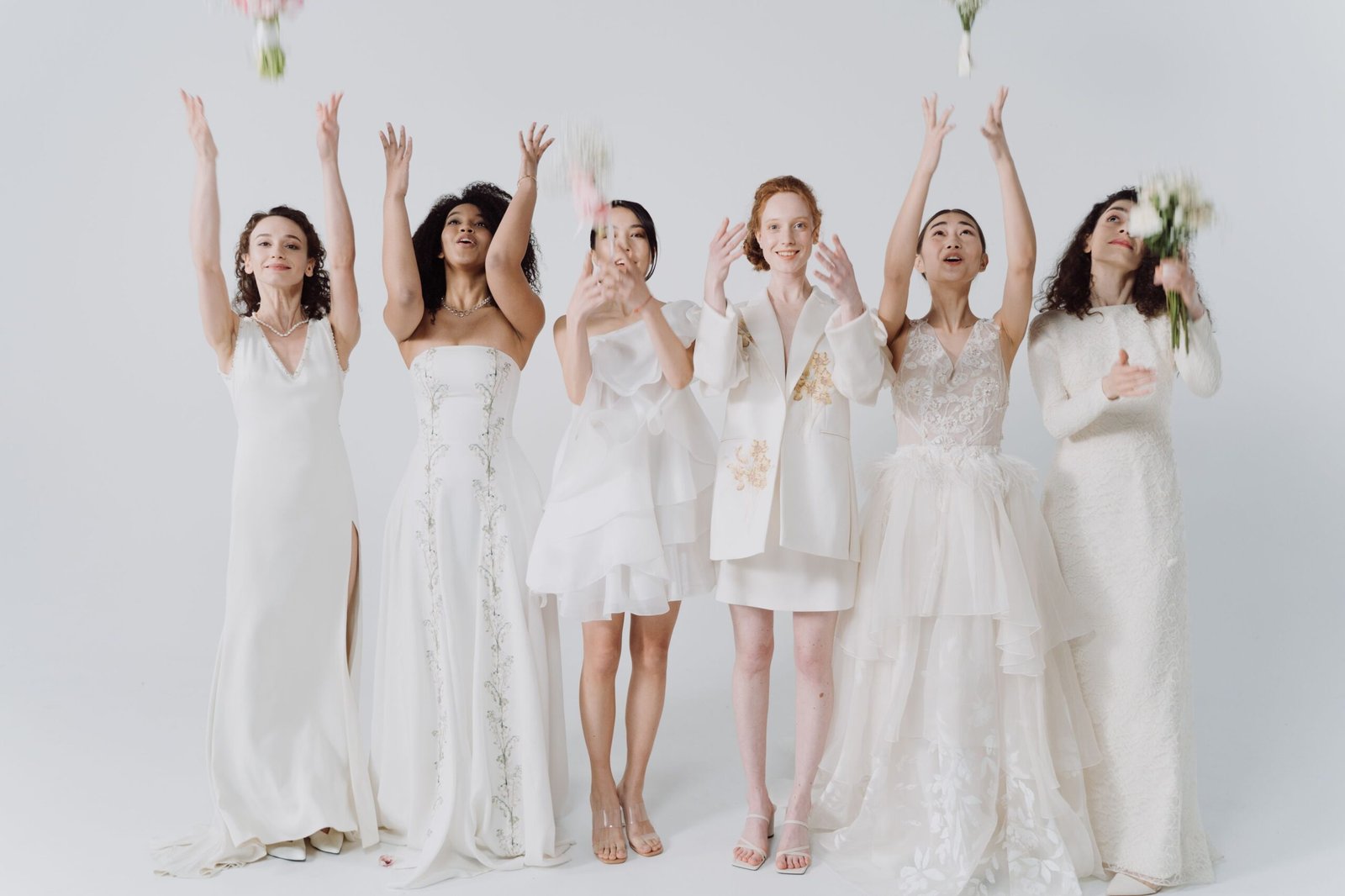

Monika Leveski has emerged as one of the most intriguing creative personalities associated with modern elegance, sustainable design, and purpose-driven artistry in 2026. At a time when trends change overnight and digital content often prioritizes speed over substance, Leveski represents a refreshing commitment to timeless creativity, emotional storytelling, and responsible innovation.
Recognized as a contemporary visual artist, entrepreneur, designer, and philanthropist, Monika Leveski has built a reputation for blending traditional artistic craftsmanship with the latest digital technologies. Her work resonates with audiences seeking authenticity, sustainability, and meaningful visual experiences.
This comprehensive guide explores Monika Leveski’s biography, artistic journey, design philosophy, entrepreneurial ventures, philanthropic efforts, and lasting influence on modern creativity in 2026.
Who Is Monika Leveski? Biography and Background
Monika Leveski is a contemporary visual artist, entrepreneur, and philanthropist celebrated for combining traditional fine art techniques with modern digital innovation. Rather than chasing short-lived trends, she has established herself through visual storytelling, emotional symbolism, and experimental design.
Her creative journey began during childhood, where she grew up in an environment that encouraged artistic exploration. Inspired by nature, landscapes, cultural diversity, and everyday human experiences, Leveski developed a unique artistic voice rooted in observation rather than imitation.
Her family’s support allowed her to experiment freely with drawing, painting, and mixed-media projects from an early age. These formative experiences laid the groundwork for a career defined by originality and thoughtful expression.
To refine her abilities, she later pursued formal education in fine arts and digital design. During her studies, she mastered classical artistic techniques while embracing emerging digital technologies, interactive media, and contemporary visual communication. This educational foundation enabled her to bridge the gap between traditional craftsmanship and digital creativity, creating an artistic identity that feels both timeless and highly relevant in 2026.
One description often associated with her career perfectly captures her philosophy:
“She did not hurry to become known. Rather, she focused on a sincere language.”
This emphasis on authenticity continues to define every aspect of her work.
The Artistic Style of Monika Leveski: Bridging Tradition with Modernity
One of the defining characteristics of Monika Leveski’s artistic style is her remarkable ability to combine classical techniques with contemporary digital enhancement.
Rather than viewing technology as a replacement for traditional art, she uses it as an extension of human creativity. Her pieces frequently merge hand-painted textures, digital illustration, layered compositions, and immersive visual effects, resulting in artwork that appeals equally to collectors of traditional fine art and modern digital audiences.
Her artistic approach is built upon three core pillars.
1. Emotional Depth and Human Connection
Every project seeks to evoke emotion through symbolism, expressive color palettes, and meaningful composition. Her visual narratives explore themes including:
- Identity
- Personal growth
- Environmental awareness
- Social responsibility
- Human resilience
Instead of simply creating attractive images, Leveski invites viewers into stories that encourage reflection and emotional engagement.
2. The Art of Observation
Unlike creators driven by trends, Monika’s creative process begins with quiet attentiveness.
She carefully observes people, places, light, textures, and subtle emotional moments before translating them into compelling visual experiences. This observational approach gives her work a sense of authenticity that feels deeply personal.
3. Timeless Expression Through Experience
Her art evolves naturally through lived experiences rather than market demands.
Each collection reflects a balance between personal narrative and universal themes, ensuring her work remains relevant long after passing trends disappear.
Monika Leveski’s Design Philosophy: Redefining Modern Elegance
Perhaps no aspect of Monika Leveski‘s work has attracted more attention than her philosophy of Modern Elegance.
In 2026, minimalism has often become associated with sterile, impersonal spaces. Leveski challenges this perception by redefining elegance as something warm, welcoming, emotionally intelligent, and deeply human.
Her philosophy rests on three foundational principles.
Intentionality
Every material, curve, texture, and design decision exists for a purpose.
There is no decorative excess simply for visual impact. Every element must contribute emotionally, aesthetically, or functionally.
If an object serves neither practical value nor emotional significance, it is removed.
The “Lived-In” Sophistication
Leveski believes genuine luxury comes from comfort rather than perfection.
As she explains:
“Real elegance is when one feels totally at ease.”
She also emphasizes:
“For we do not design just for the eyes, we design for skin and soul.”
Her interiors avoid feeling like museum displays. Instead, they encourage everyday living while maintaining exceptional craftsmanship.
Contrast as Harmony
Another defining characteristic of her design language is the thoughtful use of contrast.
Examples include:
- Raw concrete paired with luxurious silk fabrics
- Historic architectural forms enhanced with modern bio-materials
- Organic asymmetry replacing rigid symmetry
- Natural textures balanced with advanced technology
Rather than opposing one another, these contrasts create harmony.
Modern Elegance Comparison
| Traditional Elegance | Leveski’s Modern Elegance |
|---|---|
| Bold gilded colors | Monochromatic earth tones and desaturated pastels |
| Luxury defined by brand names | Luxury defined by craftsmanship and sensory experience |
| Trend-focused aesthetics | Multi-generational sustainability |
| Decorative excess | Purposeful simplicity |
Entrepreneurship, Material Innovation, and Sustainable Creativity
Beyond the art world, Monika Leveski has expanded into entrepreneurship by creating ventures that merge creative expression with digital accessibility.
Her businesses focus on empowering artists through:
- Digital exhibitions
- Creative collaborations
- Virtual artistic experiences
- Technology-enabled storytelling
- Global creative communities
Her entrepreneurial mission is simple: make meaningful art accessible to wider audiences while supporting emerging talent.
Sustainable Material Innovation
Leveski’s studio is widely recognized for pioneering sustainable creative practices.
Some of its defining innovations include:
Tactile Sensorialism
Her projects prioritize touch as much as appearance through the use of:
- Honed limestone
- Brushed brass
- Hand-loomed wool
- Natural wood
- Recycled materials
The Ethical Thread
Her studio introduced a Full Traceability Model, ensuring materials used in furniture, installations, and architectural elements are ethically sourced.
Notable sustainable initiatives include:
- The Lumia Collection, which transforms recycled glass into luxury design pieces.
- Project Ethereal, utilizing breathing stone facades with passive heating and cooling technologies.
Invisible Technology
Despite their natural appearance, Leveski’s designs integrate advanced innovations such as:
- Adaptive circadian lighting
- Smart environmental controls
- Acoustic engineering
- Digital fabrication
- Hand-finished 3D printed components
The result is technology that enhances daily life without overwhelming the visual experience.
Digital Influence, Philanthropy, and Creative Leadership
Monika Leveski has successfully embraced the digital era without sacrificing authenticity.
Rather than using social media purely for promotion, she transforms digital platforms into creative spaces where audiences can experience:
- Behind-the-scenes artistic development
- Interactive creative projects
- Educational design insights
- Cross-cultural collaborations
- Community engagement
This transparent approach has strengthened her global audience while preserving the integrity of her artistic vision.
Commitment to Philanthropy
Beyond her professional achievements, Leveski actively supports causes centered on:
- Sustainability education
- Environmental awareness
- Creative empowerment
- Emerging artist mentorship
- Accessible arts education
She regularly contributes to initiatives that encourage eco-conscious artistic practices while helping young creators develop both technical and creative skills.
Her philanthropic philosophy reflects her broader belief that creativity should improve communities as much as it enriches culture.
How to Apply Monika Leveski’s Principles to Your Own Space
One reason Monika Leveski‘s philosophy continues gaining attention is its practicality.
Anyone can adopt elements of her approach by focusing on intentional living rather than expensive decoration.
Consider these principles:
- Be intentional. Remove one object from every room that serves neither practical nor emotional value.
- Invest in hero pieces. Instead of purchasing several disposable accessories, choose one beautifully crafted statement item.
- Use the 60-30-10 color rule. Build calming interiors with neutral foundations, complementary secondary tones, and subtle accent colors.
- Prioritize craftsmanship over labels. Quality materials and thoughtful design often outlast luxury branding.
- Embrace Slow Design. Focus on durability, sustainability, and timeless beauty rather than constantly replacing furnishings.
These simple ideas demonstrate that modern elegance is less about spending more and more about making conscious choices.
Conclusion
In 2026, Monika Leveski represents far more than an accomplished artist or successful entrepreneur. She embodies a broader movement toward purpose-driven creativity, sustainable innovation, emotional design, and timeless elegance.
Her ability to unite traditional craftsmanship, digital technology, ethical entrepreneurship, and human-centered design has positioned her as an influential figure within the modern creative landscape.
Whether through emotionally resonant artwork, environmentally conscious material choices, innovative digital experiences, or philanthropic initiatives, Leveski consistently demonstrates that great design is not merely about aesthetics—it is about improving how people live, feel, and connect.
As the world increasingly embraces the values of Slow Design, sustainability, and authenticity, Monika Leveski‘s philosophy continues to inspire artists, designers, entrepreneurs, and homeowners alike. Her legacy is not simply defined by beautiful creations but by a vision of creativity that is more conscious, more elegant, and ultimately more human.

Halsey Nude: Beyond the Sensation, Unveiling the Body and the Artist
The concept of “Halsey nude” often triggers surface-level clicks. Yet, the true story behind it is far more compelling than any brief of a celebrity. It is a profound and ongoing narrative of autonomy, artistic expression, and reclaiming one’s identity. For Halsey, the act of being seen—in all forms—is never just about the physical body; it is a powerful declaration of control over a self that has often been dissected, misunderstood, and owned by the public. From the “Madonna and Whore” imagery on the cover of If I Can’t Have Love, I Want Power to the purposeful display of body hair and the existential exploration of self on The Great Impersonator, Halsey challenges what it means to have a body in the public eye. This is an exploration of those moments, dissecting the powerful messages of ownership, art, and the struggle for identity that define their career.
The Art of Reclamation: The IICHLIWP Album Cover
Perhaps the most powerful and widely discussed moment in Halsey’s career regarding nudity is the cover of their 2021 album, If I Can’t Have Love, I Want Power. The image, photographed by Lucas Garrido, is a striking tableau: the singer, regal and crowned, sits on a golden throne. One breast is exposed, and they hold a child on their lap. This was not a gratuitous act but a meticulously crafted statement on the duality of motherhood, sexuality, and body autonomy . This was not an attempt to be sensational; it was a deliberate act of artistic and personal defiance.
Challenging Norms and the Gaze: The Rolling Stone Cover
Halsey’s reclamation of their image extends beyond the extremes of pregnancy. It is present in the everyday, in the simple act of choosing how to present their body. This was powerfully evident in the 2024 “Hot Issue” cover of Rolling Stone, where Halsey posed with visible, unshaven armpit hair. The image, shared on Instagram, immediately became a topic of discussion, prompting both praise and criticism . For Halsey, this was another step in owning their body without adhering to the societal conditioning often imposed on women.
The “Great Impersonator”: Deconstructing the Persona
The journey of Halsey’s body and identity is not just about physical appearance but a deep, internal exploration of the self. The 2024 album, The Great Impersonator, is a concept piece that finds Halsey grappling with their own identity, health, and the persona of “Halsey” itself . The artist, born Ashley Nicolette Frangipane, has admitted to feeling isolated and that their stage name has grown into a persona they never intended . This internal conflict is the core of The Great Impersonator, making it the most personal exploration of their own body and soul to date .
Conclusion
Exploring the concept of “Halsey nude” reveals a career built on the radical act of self-possession. If I Can’t Have Love, I Want Power, the casual defiance of body hair on a magazine cover, or the deconstruction of identity on The Great Impersonator, Halsey consistently uses their body and image to challenge, provoke, and reclaim.
Frequently Asked Questions
1. Why is Halsey’s If I Can’t Have Love, I Want Power album cover so iconic?
The cover is iconic because it serves as a powerful statement on body autonomy, motherhood, and sexuality.
2. What is the message behind Halsey showing armpit hair on the Rolling Stone cover?
By appearing on the Rolling Stone cover with visible, unshaven armpits, Halsey was sending a strong message about bodily autonomy. The choice was a direct challenge to societal norms and the expectation that women must conform to specific grooming standards. It was a celebration of natural bodies and a refusal to be edited or airbrushed to meet others’ expectations .
3. How does the album The Great Impersonator relate to Halsey’s identity?
>>>>>>>>>>>>>>>>>>>>>The Great Impersonator is an album where Halsey confronts the nature of their own identity, fame, and the “persona” they created.
4. What inspired Halsey’s “Madonna and Whore” concept for their album cover?
The “Madonna and Whore” concept was inspired by the desire to present the duality of the pregnant and postpartum body.</span>
5. Does Halsey use the stage name as a separate persona?
>>>>>>>>>>>>>>>lass=”yoast-text-mark” />>>Yes, Halsey has expressed that their stage name, derived from their real name Ashley Nicolette Frangipane, has evolved into a persona they sometimes feel they are performing as ass=””>. They compare the experience of being “Halsey” to a long-running TV show character, a role that can feel confining. Acting has been a way for them to disconnect from this persona and be “new at something” .

Tatsuya Shiba: Biography, Powers, Personality, and Story Explained

Met Live in HD: Complete Guide to the Metropolitan Opera’s Live Broadcasts

Boy in ASL: How to Sign “Boy” in American Sign Language

Droven.io Review 2026: The Honest Truth About This AI Knowledge Platform

Keiko Fujimoto: The Life and Legacy of Sunny Balwani’s Ex-Wife

The Enigmatic Life of Solica Casuto: From Greek Actress to Andy Griffith’s Second Wife and Her Choice of Privacy
 Tech3 months ago
Droven.io Review 2026: The Honest Truth About This AI Knowledge Platform
- Fashion3 months ago
The Enigmatic Life of Solica Casuto: From Greek Actress to Andy Griffith’s Second Wife and Her Choice of Privacy
- Fashion3 months ago
Mark Fluent: Your Comprehensive Guide to Achieving Peak Performance and Unlocking Your True Potential
- Sports3 months ago
Amy Dettbarn: The Untold Story of the Woman Behind UConn Star Paige Bueckers
- Tech3 months ago
Antonimar Mello: The Quiet Strength Behind a Pop Icon
- Fashion3 months ago
Carlos Scola Pliego: The Spanish Filmmaker Who Captured Sade’s Heart
- Fashion2 months ago
Monika Leveski : Biography, Design Philosophy, Art Career, and Modern Elegance Explained
- Business2 months ago
How to Create a Cafe Menu That Keeps Customers Coming Back