Fashion
Mark Fluent: Your Comprehensive Guide to Achieving Peak Performance and Unlocking Your True Potential


Mark Fluent: Your Comprehensive Guide to Achieving Peak Performance and Unlocking Your True Potential
Introduction
In an increasingly complex and fast-paced world, the difference between simply knowing how to do something and being truly fluent in it is the difference between stagnation and extraordinary achievement. The concept of “mark fluent” has emerged as a powerful framework for understanding and achieving a state of effortless mastery, where skills are not just learned but deeply integrated into one’s identity. This comprehensive guide delves into the multifaceted nature of mark fluent, exploring its core components, practical applications, and transformative potential across various domains of life, from professional development to personal growth and creative pursuits. We will unravel the layers of what it means to reach this pinnacle of proficiency, providing you with a clear roadmap to elevate your own capabilities and sustain a trajectory of continuous improvement .
Understanding the Core of Mark Fluent
To mark fluent is to achieve a profound level of skill or understanding that transcends basic competence. It is characterized by a seamless and intuitive application of knowledge, where complex tasks are performed with remarkable accuracy, speed, and minimal conscious effort. This state of mastery signifies a transition from a learner who is consciously applying rules and techniques to a practitioner whose actions are guided by a deep, ingrained understanding. The difference is palpable: a student who has crammed for an exam may recall information temporarily, but a professional who has marked fluent integrates their learning so completely that it becomes an automatic part of their professional identity and daily workflow .
This state is built upon several key pillars: automaticity, adaptability, efficiency, and intuition. Automaticity refers to the ability to perform core actions without conscious thought, freeing up mental resources for higher-level strategic thinking. Adaptability is the capacity to flexibly apply one’s skills to novel and unexpected situations, demonstrating a true understanding of the underlying principles rather than just rote procedures. Efficiency involves executing tasks with minimal wasted motion, time, or cognitive load. Finally, intuition is the deep, often subconscious, understanding that guides decision-making and allows for quick, accurate judgments even in complex scenarios .
The Transformative Power of Mark Fluent in Content Creation
In the digital age, content creation is a domain where the principles of mark fluent are particularly relevant. For modern writers, bloggers, and marketers, achieving fluency in their craft is essential to standing out in a saturated market. Tools and platforms like the one described by the name “Mark Fluent” are emerging to help professionals streamline their process and elevate their output. Such platforms are designed to transform how content is created, offering a suite of features tailored to the needs of the modern writer .
A key feature of these modern writing ecosystems is AI-driven content suggestions. By leveraging artificial intelligence, creators can generate fresh ideas, optimize existing text for clarity and impact, and overcome writer’s block, thereby enhancing both creativity and productivity. Furthermore, built-in SEO optimization ensures that content not only reads well but also reaches a broader audience through improved search engine rankings. Features like real-time analytics on keyword performance and readability scores empower writers to make data-driven decisions that refine their work for maximum impact .
Mark Fluent: The Human Element and Real-World Application
While the term “Mark Fluent” can refer to a tool or a conceptual framework, it also has a human dimension. For instance, Mark Fluent is the name of a prominent managing director and head of Western US Real Estate for Deutsche Bank, who is also known as the husband of writer and director Justine Bateman . This real-world example underscores that the pursuit of fluency and mastery is not an abstract concept but a tangible goal achieved by high-performing individuals in demanding fields. It highlights the application of the principles of fluency—expertise, adaptability, and efficiency—within the high-stakes world of finance.
In the broader context of content and marketing, the principles of “mark fluent” align with the industry’s push for cultural and contextual resonance. As seen in the launch of “Adaptive Creation” by Key Content, a MarketFully company, the modern marketing landscape demands a level of fluency that extends beyond mere translation to encompass cultural relevance and nuanced brand voice. This AI-powered technology helps marketing teams create effective, high-performing multilingual content at scale, blending machine efficiency with the editorial precision of native editors. The goal is to ensure content is not only linguistically accurate but also optimized for brand voice, SEO performance, and cultural relevance, which is a clear parallel to the deep, intuitive understanding that defines “mark fluent” .
Strategies to Achieve Fluency
Achieving fluency is an active and deliberate process. It requires moving beyond passive learning and embracing a cycle of focused practice, feedback, and refinement. Here are some concrete strategies to guide you on your journey to mark fluent:
Foundational Practice: Master the basics. Just as a musician practices scales, you must build a solid foundation of core knowledge and skills before you can hope to achieve fluency.
Deliberate Practice: Engage in focused, goal-oriented practice. This means identifying your weaknesses and working specifically to improve them, rather than simply repeating what you already know .
Seek Feedback: Constructive criticism is essential for growth. Actively seek feedback from mentors, peers, or through data analytics to identify blind spots and areas for improvement.
Embrace Challenges: Step outside your comfort zone and tackle tasks that push your skills to their limit. This is where the most significant growth occurs .
Apply Learning: Integrate your learning into real-world scenarios. The more you apply your knowledge in practical, often unpredictable situations, the more automatic and intuitive your skills will become.
The Art of Writing for Google: SEO and Fluency
In the context of writing for the web, “mark fluent” also means achieving mastery in SEO and content strategy. Creating content that ranks well on Google requires a deep, fluent understanding of both the technical and human aspects of search. This involves writing snippet-friendly content that is structured for maximum “extractability” by both search engines and large language models (LLMs) .
Several key principles, drawn from semantic SEO frameworks, can guide you. Your content must maintain a single macro context, ensuring every part of the page is relevant to a central theme. This involves using proper word sequence and including relevant entities, attributes, and values naturally within the text. To be truly fluent in SEO writing, you must avoid fluff and opinion-based statements, sticking instead to fact-based information that provides clear, direct answers to user queries. A highly effective tactic is to adopt a question-answer format for headings, immediately answering the question in the first sentence, then expanding with evidence and variations .
The Role of AI and Tools in Achieving Content Fluency
Technology is playing an increasingly vital role in helping creators achieve a state of fluency. AI-powered tools, such as the “AI SEO Article Generator” plugin for WordPress, are designed to assist with the entire content creation process, from generating professional, SEO-optimized articles to adding schema markup for better search visibility . These tools can help creators save time and produce high-quality, search-engine-friendly content that ranks well on Google. However, it is important to remember that these tools are designed to augment human creativity and strategic thinking, not replace them. True fluency still requires a human touch for nuance, storytelling, and strategic direction.
Furthermore, content platforms are increasingly integrating features that promote fluency. For instance, in advertising and keyword management, systems now allow for bulk editing and AI-generated keyword recommendations, enabling marketers to manage campaigns with greater efficiency and precision . This ability to manage complex data streams with ease is another facet of achieving fluency in the digital marketing landscape.
Conclusion
Achieving a state of “mark fluent” is a worthy ambition in any field. It represents the culmination of dedicated effort, intelligent practice, and a commitment to continuous learning. Whether you are a writer seeking to master your craft, a professional aiming to excel in your career, or a marketer striving to create resonant content, the journey to fluency is a transformative one. By understanding its core principles—automaticity, adaptability, efficiency, and intuition—and by adopting deliberate strategies to cultivate these traits, you can unlock your true potential and perform at your peak. In a world that increasingly values specialized knowledge and the ability to apply it seamlessly, marking fluent is not just an advantage; it is becoming a necessity for those who wish to lead and innovate.
Frequently Asked Questions (FAQ)
1. What does “mark fluent” mean?
“Mark fluent” refers to achieving a high level of skill or understanding where actions become automatic, adaptable, and efficient. It signifies a transition from conscious, effortful learning to intuitive, seamless application of knowledge .
2. How is “Mark Fluent” related to content creation?
The concept applies to content creation by describing a state of mastery in writing and SEO. It also refers to modern tools and platforms designed to help writers streamline their process, generate ideas, and optimize their work for search engines and audience engagement .
3. What are the core characteristics of being fluent in a skill?
The core characteristics include automaticity (performing tasks without conscious thought), adaptability (applying skills flexibly to new situations), efficiency (executing tasks with minimal waste), and intuition (having a deep, subconscious understanding that guides decision-making) .
4. What are some practical strategies to achieve fluency?
Practical strategies include engaging in deliberate practice focused on specific weaknesses, seeking constructive feedback, embracing challenges that push your limits, and consistently applying your learning in real-world scenarios .
5. How does writing for SEO relate to the idea of fluency?
Writing for SEO fluently means having a deep, intuitive understanding of both user intent and search engine algorithms. This involves creating clear, structured content with proper heading hierarchies, directly answering user questions, and incorporating relevant entities to ensure maximum visibility and extractability .
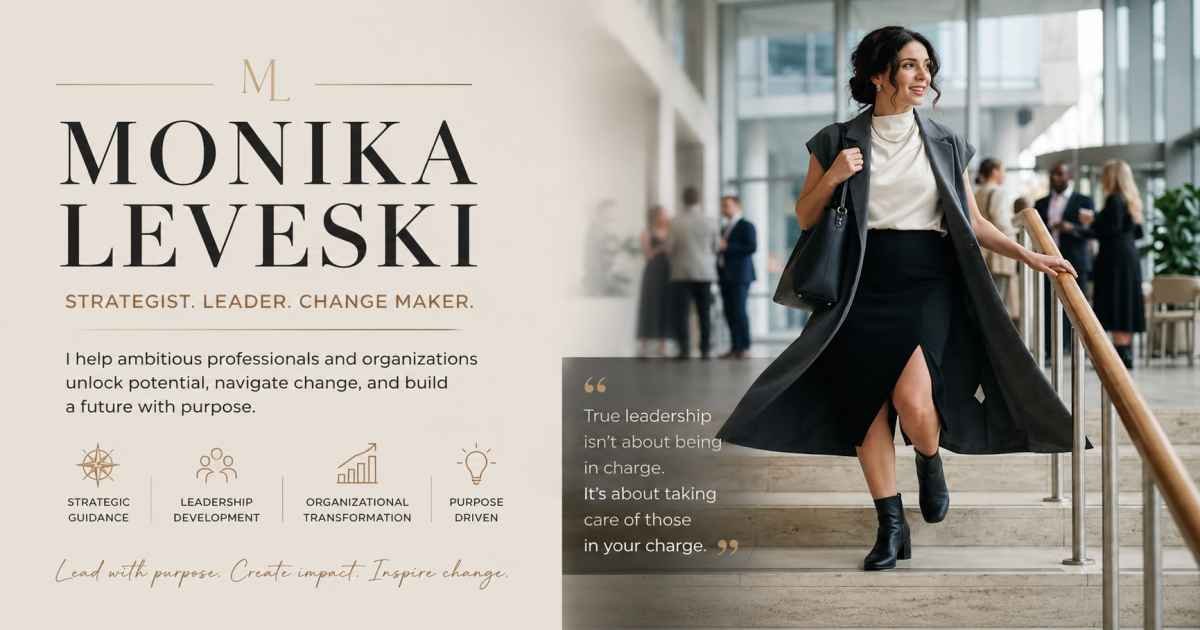
Monika Leveski has emerged as one of the most intriguing creative personalities associated with modern elegance, sustainable design, and purpose-driven artistry in 2026. At a time when trends change overnight and digital content often prioritizes speed over substance, Leveski represents a refreshing commitment to timeless creativity, emotional storytelling, and responsible innovation.
Recognized as a contemporary visual artist, entrepreneur, designer, and philanthropist, Monika Leveski has built a reputation for blending traditional artistic craftsmanship with the latest digital technologies. Her work resonates with audiences seeking authenticity, sustainability, and meaningful visual experiences.
This comprehensive guide explores Monika Leveski’s biography, artistic journey, design philosophy, entrepreneurial ventures, philanthropic efforts, and lasting influence on modern creativity in 2026.
Who Is Monika Leveski? Biography and Background
Monika Leveski is a contemporary visual artist, entrepreneur, and philanthropist celebrated for combining traditional fine art techniques with modern digital innovation. Rather than chasing short-lived trends, she has established herself through visual storytelling, emotional symbolism, and experimental design.
Her creative journey began during childhood, where she grew up in an environment that encouraged artistic exploration. Inspired by nature, landscapes, cultural diversity, and everyday human experiences, Leveski developed a unique artistic voice rooted in observation rather than imitation.
Her family’s support allowed her to experiment freely with drawing, painting, and mixed-media projects from an early age. These formative experiences laid the groundwork for a career defined by originality and thoughtful expression.
To refine her abilities, she later pursued formal education in fine arts and digital design. During her studies, she mastered classical artistic techniques while embracing emerging digital technologies, interactive media, and contemporary visual communication. This educational foundation enabled her to bridge the gap between traditional craftsmanship and digital creativity, creating an artistic identity that feels both timeless and highly relevant in 2026.
One description often associated with her career perfectly captures her philosophy:
“She did not hurry to become known. Rather, she focused on a sincere language.”
This emphasis on authenticity continues to define every aspect of her work.
The Artistic Style of Monika Leveski: Bridging Tradition with Modernity
One of the defining characteristics of Monika Leveski’s artistic style is her remarkable ability to combine classical techniques with contemporary digital enhancement.
Rather than viewing technology as a replacement for traditional art, she uses it as an extension of human creativity. Her pieces frequently merge hand-painted textures, digital illustration, layered compositions, and immersive visual effects, resulting in artwork that appeals equally to collectors of traditional fine art and modern digital audiences.
Her artistic approach is built upon three core pillars.
1. Emotional Depth and Human Connection
Every project seeks to evoke emotion through symbolism, expressive color palettes, and meaningful composition. Her visual narratives explore themes including:
- Identity
- Personal growth
- Environmental awareness
- Social responsibility
- Human resilience
Instead of simply creating attractive images, Leveski invites viewers into stories that encourage reflection and emotional engagement.
2. The Art of Observation
Unlike creators driven by trends, Monika’s creative process begins with quiet attentiveness.
She carefully observes people, places, light, textures, and subtle emotional moments before translating them into compelling visual experiences. This observational approach gives her work a sense of authenticity that feels deeply personal.
3. Timeless Expression Through Experience
Her art evolves naturally through lived experiences rather than market demands.
Each collection reflects a balance between personal narrative and universal themes, ensuring her work remains relevant long after passing trends disappear.
Monika Leveski’s Design Philosophy: Redefining Modern Elegance
Perhaps no aspect of Monika Leveski‘s work has attracted more attention than her philosophy of Modern Elegance.
In 2026, minimalism has often become associated with sterile, impersonal spaces. Leveski challenges this perception by redefining elegance as something warm, welcoming, emotionally intelligent, and deeply human.
Her philosophy rests on three foundational principles.
Intentionality
Every material, curve, texture, and design decision exists for a purpose.
There is no decorative excess simply for visual impact. Every element must contribute emotionally, aesthetically, or functionally.
If an object serves neither practical value nor emotional significance, it is removed.
The “Lived-In” Sophistication
Leveski believes genuine luxury comes from comfort rather than perfection.
As she explains:
“Real elegance is when one feels totally at ease.”
She also emphasizes:
“For we do not design just for the eyes, we design for skin and soul.”
Her interiors avoid feeling like museum displays. Instead, they encourage everyday living while maintaining exceptional craftsmanship.
Contrast as Harmony
Another defining characteristic of her design language is the thoughtful use of contrast.
Examples include:
- Raw concrete paired with luxurious silk fabrics
- Historic architectural forms enhanced with modern bio-materials
- Organic asymmetry replacing rigid symmetry
- Natural textures balanced with advanced technology
Rather than opposing one another, these contrasts create harmony.
Modern Elegance Comparison
| Traditional Elegance | Leveski’s Modern Elegance |
|---|---|
| Bold gilded colors | Monochromatic earth tones and desaturated pastels |
| Luxury defined by brand names | Luxury defined by craftsmanship and sensory experience |
| Trend-focused aesthetics | Multi-generational sustainability |
| Decorative excess | Purposeful simplicity |
Entrepreneurship, Material Innovation, and Sustainable Creativity
Beyond the art world, Monika Leveski has expanded into entrepreneurship by creating ventures that merge creative expression with digital accessibility.
Her businesses focus on empowering artists through:
- Digital exhibitions
- Creative collaborations
- Virtual artistic experiences
- Technology-enabled storytelling
- Global creative communities
Her entrepreneurial mission is simple: make meaningful art accessible to wider audiences while supporting emerging talent.
Sustainable Material Innovation
Leveski’s studio is widely recognized for pioneering sustainable creative practices.
Some of its defining innovations include:
Tactile Sensorialism
Her projects prioritize touch as much as appearance through the use of:
- Honed limestone
- Brushed brass
- Hand-loomed wool
- Natural wood
- Recycled materials
The Ethical Thread
Her studio introduced a Full Traceability Model, ensuring materials used in furniture, installations, and architectural elements are ethically sourced.
Notable sustainable initiatives include:
- The Lumia Collection, which transforms recycled glass into luxury design pieces.
- Project Ethereal, utilizing breathing stone facades with passive heating and cooling technologies.
Invisible Technology
Despite their natural appearance, Leveski’s designs integrate advanced innovations such as:
- Adaptive circadian lighting
- Smart environmental controls
- Acoustic engineering
- Digital fabrication
- Hand-finished 3D printed components
The result is technology that enhances daily life without overwhelming the visual experience.
Digital Influence, Philanthropy, and Creative Leadership
Monika Leveski has successfully embraced the digital era without sacrificing authenticity.
Rather than using social media purely for promotion, she transforms digital platforms into creative spaces where audiences can experience:
- Behind-the-scenes artistic development
- Interactive creative projects
- Educational design insights
- Cross-cultural collaborations
- Community engagement
This transparent approach has strengthened her global audience while preserving the integrity of her artistic vision.
Commitment to Philanthropy
Beyond her professional achievements, Leveski actively supports causes centered on:
- Sustainability education
- Environmental awareness
- Creative empowerment
- Emerging artist mentorship
- Accessible arts education
She regularly contributes to initiatives that encourage eco-conscious artistic practices while helping young creators develop both technical and creative skills.
Her philanthropic philosophy reflects her broader belief that creativity should improve communities as much as it enriches culture.
How to Apply Monika Leveski’s Principles to Your Own Space
One reason Monika Leveski‘s philosophy continues gaining attention is its practicality.
Anyone can adopt elements of her approach by focusing on intentional living rather than expensive decoration.
Consider these principles:
- Be intentional. Remove one object from every room that serves neither practical nor emotional value.
- Invest in hero pieces. Instead of purchasing several disposable accessories, choose one beautifully crafted statement item.
- Use the 60-30-10 color rule. Build calming interiors with neutral foundations, complementary secondary tones, and subtle accent colors.
- Prioritize craftsmanship over labels. Quality materials and thoughtful design often outlast luxury branding.
- Embrace Slow Design. Focus on durability, sustainability, and timeless beauty rather than constantly replacing furnishings.
These simple ideas demonstrate that modern elegance is less about spending more and more about making conscious choices.
Conclusion
In 2026, Monika Leveski represents far more than an accomplished artist or successful entrepreneur. She embodies a broader movement toward purpose-driven creativity, sustainable innovation, emotional design, and timeless elegance.
Her ability to unite traditional craftsmanship, digital technology, ethical entrepreneurship, and human-centered design has positioned her as an influential figure within the modern creative landscape.
Whether through emotionally resonant artwork, environmentally conscious material choices, innovative digital experiences, or philanthropic initiatives, Leveski consistently demonstrates that great design is not merely about aesthetics—it is about improving how people live, feel, and connect.
As the world increasingly embraces the values of Slow Design, sustainability, and authenticity, Monika Leveski‘s philosophy continues to inspire artists, designers, entrepreneurs, and homeowners alike. Her legacy is not simply defined by beautiful creations but by a vision of creativity that is more conscious, more elegant, and ultimately more human.

Halsey Nude: Beyond the Sensation, Unveiling the Body and the Artist
The concept of “Halsey nude” often triggers surface-level clicks. Yet, the true story behind it is far more compelling than any brief of a celebrity. It is a profound and ongoing narrative of autonomy, artistic expression, and reclaiming one’s identity. For Halsey, the act of being seen—in all forms—is never just about the physical body; it is a powerful declaration of control over a self that has often been dissected, misunderstood, and owned by the public. From the “Madonna and Whore” imagery on the cover of If I Can’t Have Love, I Want Power to the purposeful display of body hair and the existential exploration of self on The Great Impersonator, Halsey challenges what it means to have a body in the public eye. This is an exploration of those moments, dissecting the powerful messages of ownership, art, and the struggle for identity that define their career.
The Art of Reclamation: The IICHLIWP Album Cover
Perhaps the most powerful and widely discussed moment in Halsey’s career regarding nudity is the cover of their 2021 album, If I Can’t Have Love, I Want Power. The image, photographed by Lucas Garrido, is a striking tableau: the singer, regal and crowned, sits on a golden throne. One breast is exposed, and they hold a child on their lap. This was not a gratuitous act but a meticulously crafted statement on the duality of motherhood, sexuality, and body autonomy . This was not an attempt to be sensational; it was a deliberate act of artistic and personal defiance.
Challenging Norms and the Gaze: The Rolling Stone Cover
Halsey’s reclamation of their image extends beyond the extremes of pregnancy. It is present in the everyday, in the simple act of choosing how to present their body. This was powerfully evident in the 2024 “Hot Issue” cover of Rolling Stone, where Halsey posed with visible, unshaven armpit hair. The image, shared on Instagram, immediately became a topic of discussion, prompting both praise and criticism . For Halsey, this was another step in owning their body without adhering to the societal conditioning often imposed on women.
The “Great Impersonator”: Deconstructing the Persona
The journey of Halsey’s body and identity is not just about physical appearance but a deep, internal exploration of the self. The 2024 album, The Great Impersonator, is a concept piece that finds Halsey grappling with their own identity, health, and the persona of “Halsey” itself . The artist, born Ashley Nicolette Frangipane, has admitted to feeling isolated and that their stage name has grown into a persona they never intended . This internal conflict is the core of The Great Impersonator, making it the most personal exploration of their own body and soul to date .
Conclusion
Exploring the concept of “Halsey nude” reveals a career built on the radical act of self-possession. If I Can’t Have Love, I Want Power, the casual defiance of body hair on a magazine cover, or the deconstruction of identity on The Great Impersonator, Halsey consistently uses their body and image to challenge, provoke, and reclaim.
Frequently Asked Questions
1. Why is Halsey’s If I Can’t Have Love, I Want Power album cover so iconic?
The cover is iconic because it serves as a powerful statement on body autonomy, motherhood, and sexuality.
2. What is the message behind Halsey showing armpit hair on the Rolling Stone cover?
By appearing on the Rolling Stone cover with visible, unshaven armpits, Halsey was sending a strong message about bodily autonomy. The choice was a direct challenge to societal norms and the expectation that women must conform to specific grooming standards. It was a celebration of natural bodies and a refusal to be edited or airbrushed to meet others’ expectations .
3. How does the album The Great Impersonator relate to Halsey’s identity?
>>>>>>>>>>>>>>>>>>>>>The Great Impersonator is an album where Halsey confronts the nature of their own identity, fame, and the “persona” they created.
4. What inspired Halsey’s “Madonna and Whore” concept for their album cover?
The “Madonna and Whore” concept was inspired by the desire to present the duality of the pregnant and postpartum body.</span>
5. Does Halsey use the stage name as a separate persona?
>>>>>>>>>>>>>>>lass=”yoast-text-mark” />>>Yes, Halsey has expressed that their stage name, derived from their real name Ashley Nicolette Frangipane, has evolved into a persona they sometimes feel they are performing as ass=””>. They compare the experience of being “Halsey” to a long-running TV show character, a role that can feel confining. Acting has been a way for them to disconnect from this persona and be “new at something” .

Tatsuya Shiba: Biography, Powers, Personality, and Story Explained

Met Live in HD: Complete Guide to the Metropolitan Opera’s Live Broadcasts

Boy in ASL: How to Sign “Boy” in American Sign Language

Droven.io Review 2026: The Honest Truth About This AI Knowledge Platform

Keiko Fujimoto: The Life and Legacy of Sunny Balwani’s Ex-Wife

The Enigmatic Life of Solica Casuto: From Greek Actress to Andy Griffith’s Second Wife and Her Choice of Privacy
 Tech3 months ago
Droven.io Review 2026: The Honest Truth About This AI Knowledge Platform
- Fashion3 months ago
Keiko Fujimoto: The Life and Legacy of Sunny Balwani’s Ex-Wife
- Fashion3 months ago
The Enigmatic Life of Solica Casuto: From Greek Actress to Andy Griffith’s Second Wife and Her Choice of Privacy
- Sports3 months ago
Amy Dettbarn: The Untold Story of the Woman Behind UConn Star Paige Bueckers
- Tech3 months ago
Antonimar Mello: The Quiet Strength Behind a Pop Icon
- Fashion3 months ago
Carlos Scola Pliego: The Spanish Filmmaker Who Captured Sade’s Heart
- Fashion2 months ago
Monika Leveski : Biography, Design Philosophy, Art Career, and Modern Elegance Explained
- Business2 months ago
How to Create a Cafe Menu That Keeps Customers Coming Back