
Blog
Stinkface: Meaning, Definition, Uses, and Why People Make the Expression



Tatsuya Shiba is the central protagonist of The Irregular at Magic High School, a character whose unusual abilities, technical intelligence, family background, and calm personality make him one of the most distinctive figures in modern anime and light-novel storytelling. At first glance, Tatsuya appears to be an ordinary or even underperforming student because he enters First High School as a Course 2 student after receiving weak results in practical magic. However, this initial impression does not reflect the full extent of his abilities. The official character material describes him as a direct descendant of the prestigious Yotsuba family, an outstanding student in written subjects and magic engineering, and a combatant with exceptionally powerful forms of magic.
The contrast between Tatsuya’s official school classification and his actual capabilities is one of the central ideas behind his character. He may be regarded as an irregular student within the school system, but his knowledge, combat skills, engineering ability, and specialized magic allow him to accomplish things far beyond what his academic classification suggests. He is particularly associated with Decomposition and Regrowth, abilities that give him an unusual approach to magical combat. He is also connected to the 101 Independent Magic-Equipped Battalion and has an important relationship with his younger sister, Miyuki Shiba.
Who Is Tatsuya Shiba?
Tatsuya Shiba is the main character of The Irregular at Magic High School, also known as Mahouka Koukou no Rettousei. He is born into the Yotsuba family, one of the most influential magician families in the series, and enters the National Magic University Affiliated First High School together with his younger sister, Miyuki. While Miyuki is recognized as an exceptionally talented magician and is placed in Course 1, Tatsuya is assigned to Course 2 because of his poor performance in conventional practical magic examinations. The official franchise description emphasizes that Tatsuya performs exceptionally well in written examinations and possesses remarkable technical knowledge, including the ability to design CADs, the devices used to assist modern magic.
This setup immediately establishes one of the most important contrasts surrounding Tatsuya Shiba. The school system evaluates students primarily according to particular forms of magical performance, but Tatsuya’s greatest strengths do not fit neatly into those measurements. His engineering knowledge, combat ability, specialized magic, strategic thinking, and unusual talents make his Course 2 classification misleading when viewed from the perspective of his overall capabilities. The character therefore represents a recurring theme in the series: a person’s apparent position within an established system does not necessarily reveal what that person can actually accomplish.
Tatsuya Shiba’s Background and the Yotsuba Family
The Yotsuba family is extremely important to understanding Tatsuya Shiba. He is a direct descendant of the Yotsuba clan, a prestigious family associated with powerful magicians. His family background gives him a position that is very different from that of an ordinary First High student. Although he appears at school as a relatively unremarkable Course 2 student, his connection to the Yotsuba family places him within a much larger political, military, and magical structure. Official character information identifies him as a member of this distinguished family and explains his unusual position as both a student and a guardian for Miyuki.
Tatsuya’s childhood also helps explain why he behaves differently from many other protagonists. Official material for the Reminiscence Arc describes him as a young member of the Yotsuba family who was treated as a defective magician because of his limited conventional magical ability. He was assigned the role of protecting Miyuki, and despite his young age, he demonstrated remarkable hand-to-hand combat ability. This background is important because it shows that Tatsuya’s development was not simply the result of attending First High School. His unusual skills and responsibilities were established much earlier in his life.
Tatsuya Shiba and Miyuki Shiba
The relationship between Tatsuya Shiba and Miyuki Shiba is one of the most important relationships in the entire series. Miyuki is Tatsuya’s younger sister and a highly talented magician who attends First High School alongside him. While Tatsuya is classified as a Course 2 student, Miyuki enters Course 1 and is recognized for her exceptional magical ability. Official character descriptions emphasize the contrast between the siblings: Tatsuya excels in areas such as written examinations, technology, and specialized abilities, while Miyuki possesses extraordinary conventional magical talent.
Tatsuya also serves as Miyuki’s guardian, which gives their relationship an additional dimension beyond their family connection. His protective role influences many of his decisions throughout the story and provides an important motivation for his actions. The official English character profile states that an experiment during his childhood affected most of his emotions, while his strong feelings toward Miyuki remained. This detail is central to understanding why Tatsuya can appear emotionally distant in many situations while becoming especially determined when Miyuki is involved.
Why Is Tatsuya Shiba Called an Irregular?
The word “irregular” is central to Tatsuya’s identity. At First High School, students are divided into different courses according to their performance and magical abilities. Tatsuya’s weak performance in practical magic results in his placement in Course 2, while students with stronger conventional magical performance enter Course 1. Yet the classification does not capture Tatsuya’s full capabilities. The official franchise description specifically notes that he barely passes practical examinations while ranking extremely highly in written examinations and demonstrating outstanding technological ability.
This contradiction is what makes the character particularly interesting. Tatsuya is not simply a student who secretly has more magical power than everyone else. His abilities operate differently from the standards used to evaluate ordinary magicians. His strengths include specialized magic, physical combat, magical engineering, analytical thinking, and unusual forms of perception and manipulation. Consequently, the label placed on him by the school becomes an important narrative device: it describes his position within the school’s system without adequately describing the person himself.
Tatsuya Shiba’s Powers and Abilities
One of the biggest reasons people search for Tatsuya Shiba is his extraordinary collection of abilities. His most famous magical techniques include Decomposition and Regrowth. The official character profile identifies both as particularly powerful abilities associated with him. Decomposition allows Tatsuya to break down a target, while Regrowth allows him to restore or reconstruct a previous state. These powers give him unusual versatility because they can be applied to situations involving both combat and recovery.
Tatsuya is also known for his ability to use Material Burst, a Strategic-Class magic technique. The official third-season character profile identifies Material Burst as one of his strategic-class abilities and connects it with a major military event in the story. This demonstrates the enormous scale at which Tatsuya can operate. He is not merely a talented student competing against classmates; his abilities can become relevant to military conflicts and events affecting the wider world of the series.
Another important aspect of Tatsuya’s skill set is his technological knowledge. The official character information repeatedly highlights his strength in magic engineering and CAD design. This makes him different from characters whose importance comes primarily from raw magical power. Tatsuya understands the technical side of magic and can work with the technology used to improve magical performance. His combination of theoretical knowledge, engineering talent, and combat ability is a major part of what makes him unusual.
Tatsuya Shiba’s Combat Skills
Tatsuya’s combat ability extends beyond conventional magic. Official material from the Reminiscence Arc states that even as a young teenager, he possessed enough hand-to-hand combat ability to defeat military combat magicians. This is significant because it establishes that his effectiveness in battle does not depend entirely on casting conventional spells.
His combat style is closely connected to his analytical personality. Rather than behaving like a fighter who relies exclusively on physical strength or emotional intensity, Tatsuya generally evaluates situations calmly and searches for the most efficient solution. His combination of magical techniques, physical skills, technical knowledge, and battlefield experience makes him particularly versatile. This versatility is one of the reasons that Tatsuya Shiba is frequently discussed in conversations about powerful anime protagonists.
Tatsuya Shiba’s Personality
Tatsuya Shiba is generally portrayed as calm, reserved, analytical, and difficult to read. He rarely displays the dramatic emotional reactions commonly associated with anime protagonists. Instead, he often approaches situations logically and maintains a composed attitude even when circumstances become dangerous. This personality is connected to his unusual upbringing and the effects of the experiment mentioned in the official character profile.
His emotional restraint does not mean that he lacks relationships or motivations. His connection with Miyuki is particularly important, and his responsibilities as her guardian influence his actions throughout the story. His personality therefore contains an interesting contrast: Tatsuya can appear detached and almost emotionless in everyday situations, yet he demonstrates extraordinary determination when someone or something important to him is threatened. This combination of restraint and commitment has become one of his defining character traits.
Tatsuya Shiba at First High School
First High School is the setting where many of Tatsuya’s abilities first become visible to other characters. When he enters the school, his Course 2 classification causes some students to view him as inferior to the Course 1 students. However, his academic performance and technical knowledge quickly demonstrate that the school hierarchy cannot fully explain his abilities. The official character description notes that he consistently performs extremely well on written examinations while struggling with practical magic tests.
His time at First High therefore becomes an extended exploration of the difference between reputation and reality. Other students gradually discover that Tatsuya is far more capable than his initial classification suggests. His participation in school competitions, technical projects, security incidents, and conflicts allows different aspects of his abilities to become visible. As the story progresses, the gap between Tatsuya’s official status and his actual importance becomes increasingly significant.
Tatsuya Shiba as a Magic Engineer
Magic engineering is another major part of Tatsuya’s character. Unlike a protagonist whose abilities are exclusively magical, Tatsuya has an exceptional understanding of the technology that supports modern magic. The official character profile states that he excels in technology and can design CADs himself. His technical expertise gives him a role that extends beyond that of a conventional magician.
This engineering ability also reinforces one of the central themes of the series: magic is treated not simply as supernatural fantasy but as a field that can be studied, engineered, optimized, and incorporated into modern society. Tatsuya fits naturally into this world because he approaches magic with a technical mindset. He can analyze magical systems, understand their mechanisms, and think about how they can be improved. His identity as both magician and engineer is therefore essential to understanding his place in the story.
Tatsuya Shiba and the Military
Tatsuya’s story also extends beyond school life. Official character information identifies him as a member of the 101 Independent Magic-Equipped Battalion. This military connection demonstrates that his abilities are considered useful in situations far more serious than school competitions.
His military role also helps explain why Tatsuya possesses such extensive combat knowledge. He has experience dealing with dangerous situations and powerful opponents, which separates him from ordinary students at First High School. The combination of student life and military responsibilities creates one of the unusual aspects of his character: while he is technically a teenager attending school, his responsibilities and capabilities are connected to much larger national and international conflicts.
Why Tatsuya Shiba Is Such an Important Character
Tatsuya Shiba is important because he combines several character concepts that are normally separated. He is a student, engineer, combatant, magician, family guardian, and member of an influential magical clan. Each role reveals a different part of his character, and the story frequently moves between these different aspects of his identity.
His greatest narrative strength is the contrast between appearance and reality. To classmates who judge him through the school’s conventional system, Tatsuya initially appears to be a weak Course 2 student. To people who understand his complete background, he is a highly unusual individual with abilities that can have consequences far beyond the classroom. This difference between what Tatsuya appears to be and what he can actually do is one of the primary reasons the character remains central to the franchise.
Tatsuya Shiba in the Anime
Tatsuya Shiba is voiced in the Japanese version by Yuichi Nakamura, according to official franchise character pages. The English version listed on the official Visitor Arc character page credits Alejandro Saab. His restrained personality and controlled delivery make voice acting particularly important to the character because much of Tatsuya’s appeal comes from his understated reactions rather than exaggerated emotional performances.
The anime adaptations introduce viewers to Tatsuya’s school life, family relationships, magical abilities, technological skills, and conflicts. Different arcs reveal additional information about his history and capabilities, allowing viewers to gradually understand why the seemingly ordinary Course 2 student is actually such an unusual figure within the world of magic.
Tatsuya Shiba’s Legacy in The Irregular at Magic High School
Tatsuya Shiba has become one of the defining characters of The Irregular at Magic High School. His importance comes not only from his strength but also from how his character interacts with the series’ world-building. The story uses Tatsuya to explore magical technology, social classifications, family power structures, military applications of magic, and the difference between conventional talent and specialized ability.
His journey also demonstrates how a character can occupy several seemingly contradictory positions at the same time. Tatsuya can be a student who struggles with practical examinations while also being a highly capable engineer. He can appear emotionally distant while being deeply committed to protecting Miyuki. He can be treated as an irregular student while possessing abilities that place him at the center of major events. These contradictions are fundamental to his identity and help explain his popularity among fans of the franchise.
Frequently Asked Questions About Tatsuya Shiba
Who is Tatsuya Shiba?
Tatsuya Shiba is the main protagonist of The Irregular at Magic High School. He is a member of the prestigious Yotsuba family, a student at First High School, a skilled magic engineer, and a combatant associated with the 101 Independent Magic-Equipped Battalion.
What are Tatsuya Shiba’s main powers?
Tatsuya is particularly known for Decomposition and Regrowth. He is also capable of using powerful Strategic-Class magic, including Material Burst.
Why is Tatsuya Shiba in Course 2?
Tatsuya performs poorly in certain practical magic examinations, so he is classified as a Course 2 student. However, he excels in written examinations, magic engineering, combat, and specialized magical abilities, making his school classification an incomplete representation of his overall capabilities.
Who is Miyuki Shiba to Tatsuya?
Miyuki Shiba is Tatsuya’s younger sister. She is an exceptionally talented magician, attends First High School in Course 1, and is closely connected to Tatsuya throughout the series. Tatsuya also serves as her guardian.
Is Tatsuya Shiba a member of the Yotsuba family?
Yes. Tatsuya is a direct descendant of the Yotsuba family, one of the prominent magical families in the world of The Irregular at Magic High School.
Is Tatsuya Shiba good at magic engineering?
Yes. Magic engineering is one of his strongest areas. Official character information specifically highlights his technical knowledge and his ability to design CADs.
Who voices Tatsuya Shiba?
Tatsuya Shiba is voiced by Yuichi Nakamura in Japanese. The official English character page for the Visitor Arc lists Alejandro Saab as the English voice actor.
Why is Tatsuya Shiba so popular?
Tatsuya combines a calm personality, unusual magical abilities, engineering expertise, combat skills, complicated family circumstances, and an important role in the larger conflicts of the series. His contrast between his apparent status as a Course 2 student and his actual capabilities is also a major part of his appeal.
Conclusion
Tatsuya Shiba is much more than a powerful anime protagonist. He is a character built around contrasts: a supposedly weak student with extraordinary specialized abilities, a quiet teenager with major responsibilities, a magician who is also an engineer, and a member of the powerful Yotsuba family who initially appears to occupy an ordinary position at First High School. His abilities such as Decomposition, Regrowth, and Material Burst, together with his combat and technological skills, make him central to the world of The Irregular at Magic High School.
For anyone discovering the series for the first time, understanding Tatsuya Shiba provides an excellent introduction to the franchise’s broader themes. His story connects school life, magical technology, family relationships, military conflict, and the complicated social structure surrounding magicians. That combination is what makes Tatsuya such a distinctive character and why searches for his powers, biography, personality, family, and role in The Irregular at Magic High School continue to attract interest.
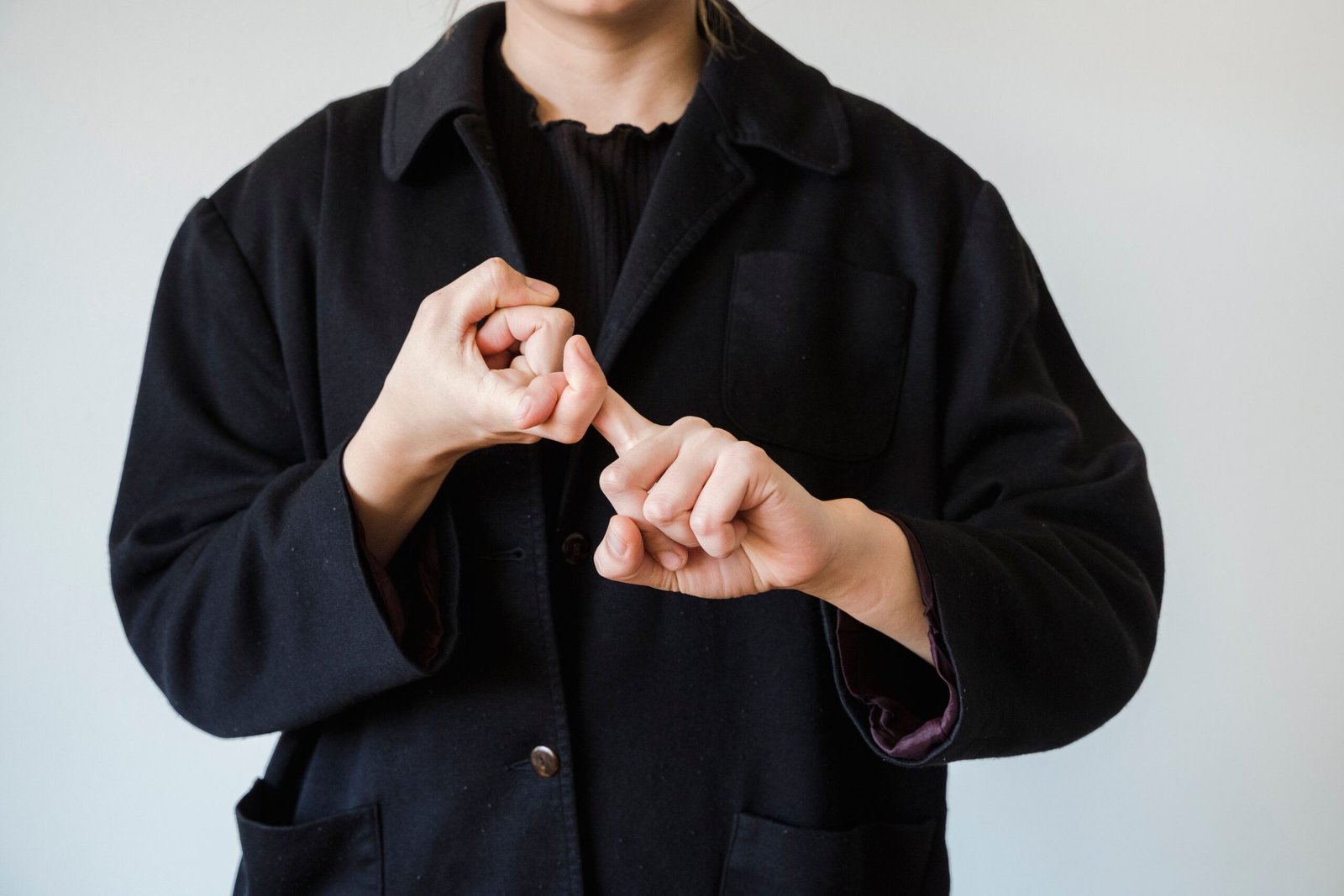
Learning individual signs is one of the easiest ways to begin building vocabulary in American Sign Language (ASL), and boy in ASL is a useful everyday expression for beginners to learn. The ASL sign for “boy” is connected to the traditional idea of a boy wearing or having a cap, and the movement of the sign reflects that concept. Like many ASL signs, understanding the meaning behind the movement can make it easier to remember rather than simply trying to memorize an unfamiliar hand motion. Whether you are learning ASL for communication with Deaf people, studying sign language as a new skill, teaching a child basic signs, or simply interested in American Sign Language, knowing how to express common words such as “boy” provides a practical foundation for developing vocabulary.
What Is “Boy” in ASL?
The boy in ASL sign is generally made by using a handshape that represents a cap or the brim of a traditional boy’s hat. The hand is positioned near the forehead and moves outward in a way that suggests taking off or touching the brim of a cap. This visual connection is an important part of understanding ASL because many signs have meaningful relationships between their physical movements and the ideas they represent. When learning the sign, focus on the overall movement rather than trying to translate the English word letter by letter. ASL is a complete natural language with its own vocabulary and grammar, so the goal is to learn the actual ASL sign rather than simply reproduce English through hand movements.
How to Sign Boy in ASL
To learn the ASL sign for boy, begin with your dominant hand in the appropriate handshape near the forehead, as though you are indicating the brim of a cap. The movement is associated with the traditional image of a boy’s cap. When practicing, pay attention to the starting position, direction of movement, and handshape because small differences can change the meaning of a sign in ASL. Beginners often find it helpful to practice slowly at first and then gradually make the movement more natural. Rather than concentrating only on remembering the English word “boy,” connect the physical movement with the concept of a young male child. Repeating the sign in meaningful phrases can also make it easier to remember than practicing the isolated movement repeatedly.
Understanding the Meaning Behind the Boy Sign
One reason boy in ASL can be relatively easy to remember is that its traditional form has a visual association with a cap. Mnemonic connections like this can be valuable when building an ASL vocabulary because they give learners something meaningful to associate with a particular sign. However, learners should also remember that signs are part of a living language, and their historical explanations do not necessarily describe every modern user’s understanding of the sign. The most important goal is to learn the recognized sign, understand how it functions in context, and use it naturally. If you are studying ASL more seriously, learning the cultural and linguistic background of Deaf communities is just as valuable as memorizing individual vocabulary items.
Boy in ASL vs. Boy in Other Sign Languages
It is important to understand that boy in ASL refers specifically to American Sign Language. Sign languages are not universal, and different countries and communities use different signed languages. For example, British Sign Language (BSL), Australian Sign Language (Auslan), and ASL are distinct languages with their own vocabularies and grammatical structures. Consequently, someone who knows the sign for “boy” in another sign language should not automatically assume that the same movement is used in ASL. If your goal is to communicate using ASL, make sure your learning resources specifically identify American Sign Language rather than simply using the broad phrase “sign language.”
Using Boy in ASL in Everyday Communication
Once you understand boy in ASL, the next useful step is learning how the sign can appear within larger conversations. Vocabulary becomes much more useful when it is connected to complete ideas rather than practiced as isolated words. Depending on the context, you may want to describe a boy’s age, appearance, activities, family relationship, school experience, or interests. However, remember that ASL does not simply follow English word order. A beginner who translates an English sentence word-for-word into signs may produce something that is understandable in some circumstances but does not sound natural in ASL. Learning vocabulary alongside ASL grammar, facial expressions, nonmanual signals, and conversational structure will help you progress beyond memorizing individual signs.
Boy in ASL for Beginners
For someone just starting to learn ASL, boy in ASL is a good example of why vocabulary should be practiced through repetition and context. Begin by learning the sign itself, then practice recognizing it when another signer uses it. After that, incorporate the sign into simple vocabulary exercises and conversations. You can practice distinguishing “boy” from related concepts such as “girl,” “child,” “baby,” “man,” and “person,” while remembering that these are separate signs with their own meanings and grammatical uses. Recording yourself practicing can also help you notice whether your handshape and movement are consistent. Most importantly, avoid becoming discouraged if your first attempts feel awkward. Developing comfortable signing movements takes time, especially when your hands are learning patterns that are unfamiliar to you.
Why Learning ASL Vocabulary Matters
Learning useful words such as boy in ASL can be an enjoyable starting point, but ASL education involves much more than memorizing vocabulary lists. American Sign Language is a rich language used by members of Deaf communities and by many hearing people for different communication purposes. Learning ASL can help people communicate more effectively, appreciate Deaf culture, and understand that signed languages are full languages rather than simplified versions of spoken English. As your vocabulary grows, you can begin learning sentence structure, classifiers, facial expressions, spatial referencing, fingerspelling, and conversational strategies. These elements work together to make ASL communication expressive and precise.
Common Mistakes When Learning the ASL Sign for Boy
A common mistake beginners make when learning boy in ASL is focusing so heavily on the English word that they forget they are learning another language. ASL should not be treated as a collection of English words represented by hand gestures. Another common issue is practicing the general idea of a sign without paying attention to handshape, location, orientation, and movement. Facial expression and body movement can also carry important grammatical information in ASL, so communication should not be reduced to hand movements alone. Beginners may also confuse signs that have similar concepts in English, such as “boy,” “child,” and “man.” Regular practice with reliable ASL learning resources and interaction with experienced signers can help reduce these mistakes.
Tips for Remembering Boy in ASL
A useful way to remember boy in ASL is to connect the movement with its traditional visual association rather than relying entirely on rote memorization. Practice the sign several times while thinking about the concept of “boy,” and then try producing the sign without looking at your hands. Next, practice recognizing it when someone else signs it. You can also create short practice sessions in which you combine the word with other beginner vocabulary. Spaced repetition is generally more effective than trying to memorize a large list of signs in a single sitting. Most importantly, use the vocabulary regularly so that the movement gradually becomes automatic.
Frequently Asked Questions About Boy in ASL
What is “boy” in ASL?
Boy in ASL is represented by a sign associated with the traditional image of a boy wearing a cap. The sign is made near the forehead with a movement that relates to the brim of a hat. Learning the visual concept behind the sign can make it easier for beginners to remember.
How do you sign “boy” in American Sign Language?
The ASL sign for boy uses a hand movement near the forehead associated with a cap or hat brim. The exact handshape, location, orientation, and movement are important, so beginners should learn the sign from a reliable ASL resource or experienced signer rather than relying only on a written description.
Is the sign for boy the same in every sign language?
No. Sign languages are not universal, and ASL is different from other signed languages such as British Sign Language. If you are learning American Sign Language, make sure your learning materials specifically teach ASL vocabulary.
Is “boy” the same as “child” in ASL?
No. “Boy” and “child” are different concepts and have distinct signs. A boy is a young male, while “child” is a more general term. Learning related vocabulary together can help beginners understand the differences between these concepts.
Can children learn the sign for boy in ASL?
Yes. Children can learn individual ASL signs as part of early communication and language learning. Practicing signs through everyday situations, repetition, and interaction can make vocabulary easier and more meaningful for young learners.
Why should I learn boy in ASL?
Learning boy in ASL gives beginners useful everyday vocabulary and provides an introduction to how ASL signs can have visual or conceptual connections to their meanings. It can also serve as a starting point for learning other people-related vocabulary and developing broader ASL communication skills.
Conclusion
Learning boy in ASL is a simple but useful step for anyone beginning American Sign Language. The sign has a memorable association with the traditional image of a boy’s cap, which can help learners connect the movement with its meaning. However, learning the sign is only the beginning. To communicate effectively in ASL, learners should gradually expand their vocabulary while also studying ASL grammar, facial expressions, nonmanual signals, Deaf culture, and natural conversational patterns. By practicing consistently and using trustworthy learning resources, beginners can move from memorizing individual signs to developing genuine communication skills. Whether you are learning ASL for personal interest, education, family communication, or broader cultural understanding, boy in ASL is a practical vocabulary item that can become part of a much larger and more rewarding language-learning journey.

Tatsuya Shiba: Biography, Powers, Personality, and Story Explained

Met Live in HD: Complete Guide to the Metropolitan Opera’s Live Broadcasts

Boy in ASL: How to Sign “Boy” in American Sign Language

Droven.io Review 2026: The Honest Truth About This AI Knowledge Platform

Keiko Fujimoto: The Life and Legacy of Sunny Balwani’s Ex-Wife

The Enigmatic Life of Solica Casuto: From Greek Actress to Andy Griffith’s Second Wife and Her Choice of Privacy
 Tech3 months ago
Droven.io Review 2026: The Honest Truth About This AI Knowledge Platform
- Fashion3 months ago
Keiko Fujimoto: The Life and Legacy of Sunny Balwani’s Ex-Wife
- Fashion3 months ago
The Enigmatic Life of Solica Casuto: From Greek Actress to Andy Griffith’s Second Wife and Her Choice of Privacy
- Fashion3 months ago
Mark Fluent: Your Comprehensive Guide to Achieving Peak Performance and Unlocking Your True Potential
- Sports3 months ago
Amy Dettbarn: The Untold Story of the Woman Behind UConn Star Paige Bueckers
- Tech3 months ago
Antonimar Mello: The Quiet Strength Behind a Pop Icon
- Fashion3 months ago
Carlos Scola Pliego: The Spanish Filmmaker Who Captured Sade’s Heart
- Fashion2 months ago
Monika Leveski : Biography, Design Philosophy, Art Career, and Modern Elegance Explained